
The Impact of Technology on the Role of Port Captains in Rotterdam
Introduction: What is the Port Captains?

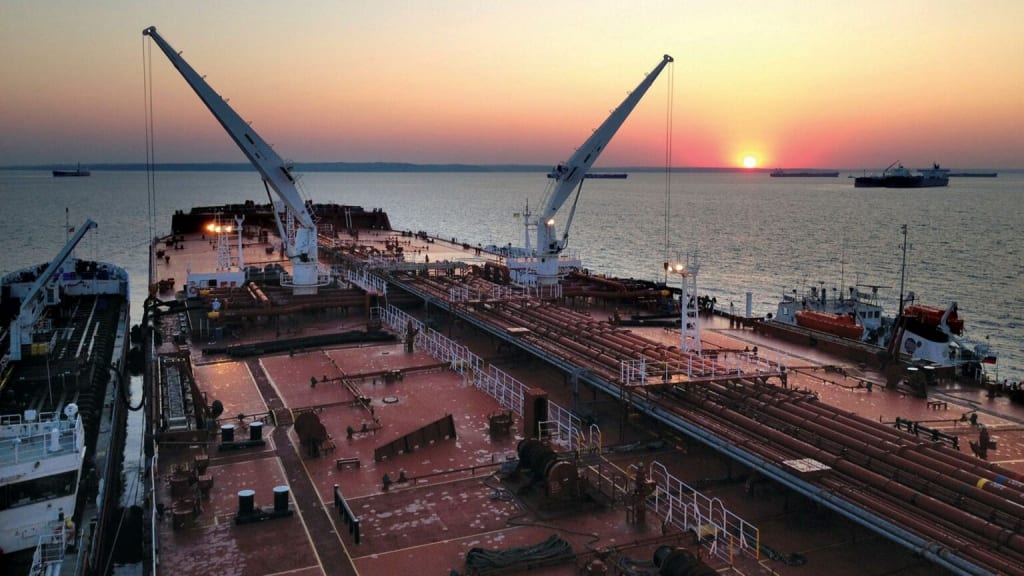
Rotterdam, one of Europe's busiest ports, has witnessed significant transformations in recent years due to technological advancements. The role of Port Captains in Rotterdam has evolved to adapt to these changes. In this article, we will explore the impact of technology on port operations and how it has reshaped the responsibilities of Port Captains in this bustling maritime hub.
The Traditional Role of Port Captains
A Port Captain in Rotterdam traditionally served as a crucial liaison between vessel operators, port authorities, and various stakeholders involved in shipping. Their responsibilities included vessel coordination, ensuring compliance with port regulations, and handling emergency situations.
Technological Advancements in Rotterdam's Port
Port Automation
Rotterdam has embraced automation and digitalization across its port operations. Automated container terminals, real-time tracking systems, and digital communication have become integral parts of port management.
Navigation Technology
Modern vessels are equipped with advanced navigation systems that allow for more precise maneuvering and navigation within the port. These systems enhance safety and efficiency while reducing the margin for error.
Communication Tools
The use of sophisticated communication tools, such as satellite communication and digital reporting systems, has streamlined information exchange between vessels and port authorities. This has led to quicker response times and improved situational awareness.
The Evolving Role of Port Captains
Technological Proficiency
Port Captains in Rotterdam now require a higher level of technological proficiency. They must be well-versed in the operation of digital systems and communication tools to effectively coordinate vessel movements and respond to emergencies.
Data Analysis
The availability of real-time data has empowered Port Captains to make informed decisions promptly. They can assess vessel schedules, weather conditions, and traffic congestion to optimize port operations.
Safety and Compliance
Technology has enhanced safety measures in the port. Port Captains use digital systems to monitor compliance with safety protocols and environmental regulations, reducing the risk of accidents and ensuring environmental sustainability.
Challenges and Opportunities
Training and Education
The transition to a technology-driven role requires ongoing training and education for Port Captains. They need to keep up with the latest advancements to perform their duties effectively.
Increased Efficiency
The integration of technology has increased the efficiency of port operations, reducing downtime and improving turnaround times for vessels. This, in turn, boosts the port's competitiveness on a global scale.
The Importance of Marine Surveyors in Rotterdam
Marine surveyors play a pivotal role in Rotterdam, one of the world's busiest and most crucial maritime hubs. Rotterdam's significance as a major port and gateway to Europe makes the role of marine surveyors indispensable for ensuring the safety, efficiency, and reliability of maritime operations.
First and foremost, marine surveyors in Rotterdam are responsible for conducting thorough inspections and assessments of ships, cargo, and port facilities. They verify compliance with international regulations, such as SOLAS (Safety of Life at Sea) and MARPOL (International Convention for the Prevention of Pollution from Ships), to ensure that vessels and their operations meet the highest safety and environmental standards.
Moreover, marine surveyors provide critical services in risk assessment, damage investigation, and insurance claims processing. In the event of accidents, collisions, or other maritime incidents, their expertise is essential for determining liability and assessing the extent of damage.
Additionally, marine surveyors in Rotterdam contribute to the port's operational efficiency by conducting pre-shipment inspections, cargo quantity and quality assessments, and ensuring that vessels are properly loaded and balanced. This helps prevent delays and costly disruptions in the supply chain.
Conclusion
The impact of technology on the role of Port Captain Rotterdam is undeniable. While the traditional responsibilities of Port Captains remain significant, they now operate in a highly digitized and automated environment. Embracing technology is essential to maintaining safety, efficiency, and competitiveness in one of Europe's most vital maritime hubs. As technology continues to evolve, so too will the role of Port Captains, ensuring that Rotterdam remains at the forefront of global maritime trade.
About the Creator
Inaya Smith
Inaya Smith is a dynamic and accomplished professional, currently holding the role of Business Development Manager at Maiden Marine Surveys. With a proven track record of driving growth, Inaya is a visionary leader in maritime industry.
Enjoyed the story? Support the Creator.
Subscribe for free to receive all their stories in your feed.
Comments (1)
Technology really has an impact!