
The Growing Role of Rapid Testing in Everyday Health Decisions
How rapid diagnostic technologies are changing healthcare access, personal monitoring, and everyday decision-making.

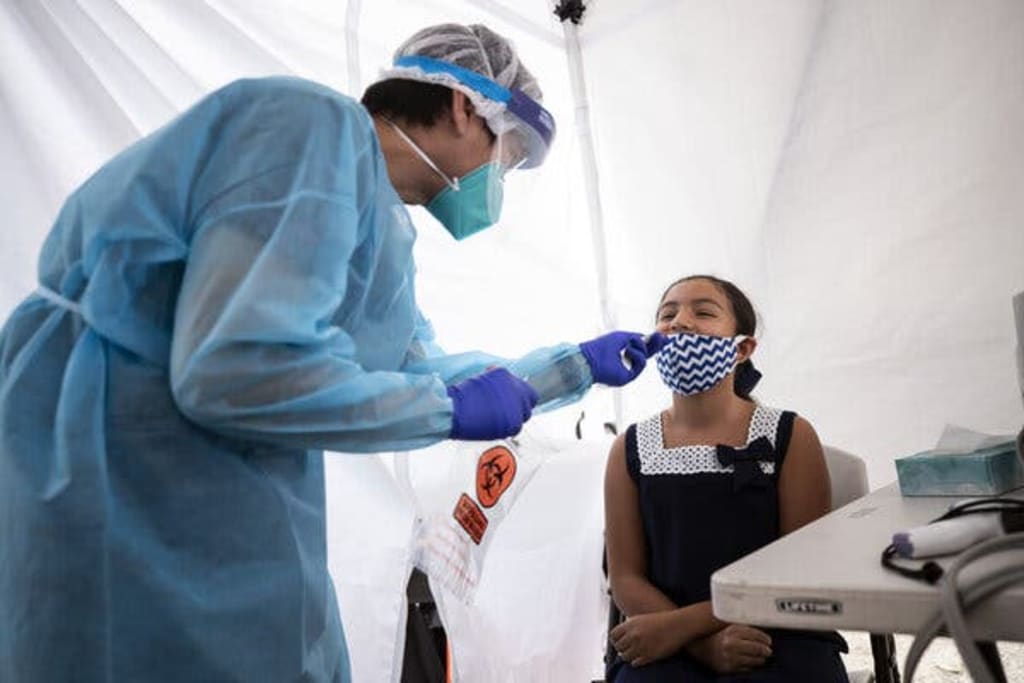
Healthcare has changed significantly over the past few decades. People increasingly expect faster results, more accessible tools, and greater convenience when monitoring important health indicators. Whether for fertility awareness, early pregnancy detection, or substance screening, modern diagnostic technology is reshaping how individuals access information about their health.
One area experiencing continued growth is Rapid in vitro diagnostic tests, which are designed to provide results more quickly than traditional laboratory processes in specific settings. These tests have become important in home use, clinical environments, and community healthcare systems worldwide.
Why Faster Diagnostic Information Matters
Health-related uncertainty often creates stress. Waiting days for results may delay decisions regarding treatment, lifestyle changes, or further medical consultation. Rapid diagnostic methods aim to shorten this gap by providing timely information.
Modern rapid testing technologies are frequently based on lateral flow immunoassays, a method used in several diagnostic applications. These tests are designed to identify biological markers associated with specific conditions or substances. Their simplicity has contributed to broader accessibility beyond hospital laboratories.
The increased demand for quicker diagnostics reflects a broader healthcare trend: people want tools that support informed decisions earlier rather than later.
Fertility Awareness and Home Testing
Understanding fertility cycles has become an important topic for many individuals and couples planning pregnancy. Ovulation monitoring tools aim to identify hormonal changes associated with fertile windows, helping users better understand reproductive timing. Fertility-focused rapid tests can complement other tracking approaches, including cycle monitoring and physiological observations.
The ability to monitor fertility indicators at home represents a shift toward more personalized health management. Rather than relying solely on clinic visits, people increasingly use diagnostic tools as part of routine awareness.
Still, experts emphasize that home tests should be interpreted carefully and may not replace professional medical guidance in cases involving ongoing fertility concerns.
The Evolution of the Pregnancy Test
The modern Pregnancy Test has evolved considerably over time. Early home pregnancy testing required longer waiting periods and more complex procedures. Innovations in diagnostic technology gradually reduced result times while improving usability. Historical developments in consumer testing introduced one-step methods and eventually digital interpretations.
Current pregnancy tests commonly detect human chorionic gonadotropin (hCG), a hormone associated with pregnancy. Some products are intended for over-the-counter use and aim to support early detection using urine samples.
However, healthcare professionals often recommend confirming positive or uncertain results through clinical consultation, especially when symptoms or circumstances require additional evaluation.
Diagnostic Testing Beyond Fertility
Rapid diagnostics extend far beyond reproductive health. Drug screening tests, infectious disease detection, and other point-of-care applications continue expanding globally. Drug screening methods may indicate whether certain substances are present in biological samples, while additional rapid tests support infectious disease monitoring or other medical assessments.
The broader purpose remains consistent: delivering faster preliminary information that may guide next steps.
Importantly, rapid testing does not always eliminate the need for laboratory confirmation. In some situations, follow-up testing remains necessary for diagnosis or treatment planning.
Manufacturing and Innovation in Diagnostic Technologies
As demand grows, organizations involved in diagnostic development continue investing in research, production capabilities, and quality systems. Discussions around the role of a Leading diagnostic testing service manufacturer often focus on how the industry expands testing solutions across categories such as fertility monitoring, drug screening, and other in vitro diagnostics.
The future of diagnostics may involve greater integration with digital health systems, wider accessibility, and improved sensitivity across different testing applications, potentially supporting faster and more informed healthcare decisions.
Looking Ahead
Rapid diagnostics illustrate how healthcare increasingly emphasizes accessibility and speed. While convenience has clear advantages, responsible use remains essential. Understanding what a test measures—and recognizing when professional medical advice is necessary—can help individuals make better-informed decisions.
As healthcare technology advances, diagnostic tools will likely continue evolving toward faster, more personalized, and widely available forms of support. The larger shift is not only about quicker results. It is about enabling people to engage more actively with their own health information.
About the Creator
Enjoyed the story? Support the Creator.
Subscribe for free to receive all their stories in your feed.
Comments
There are no comments for this story
Be the first to respond and start the conversation.