
The Future of Artificial Intelligence: Opportunities and Risks
AI Opportunities and Risks
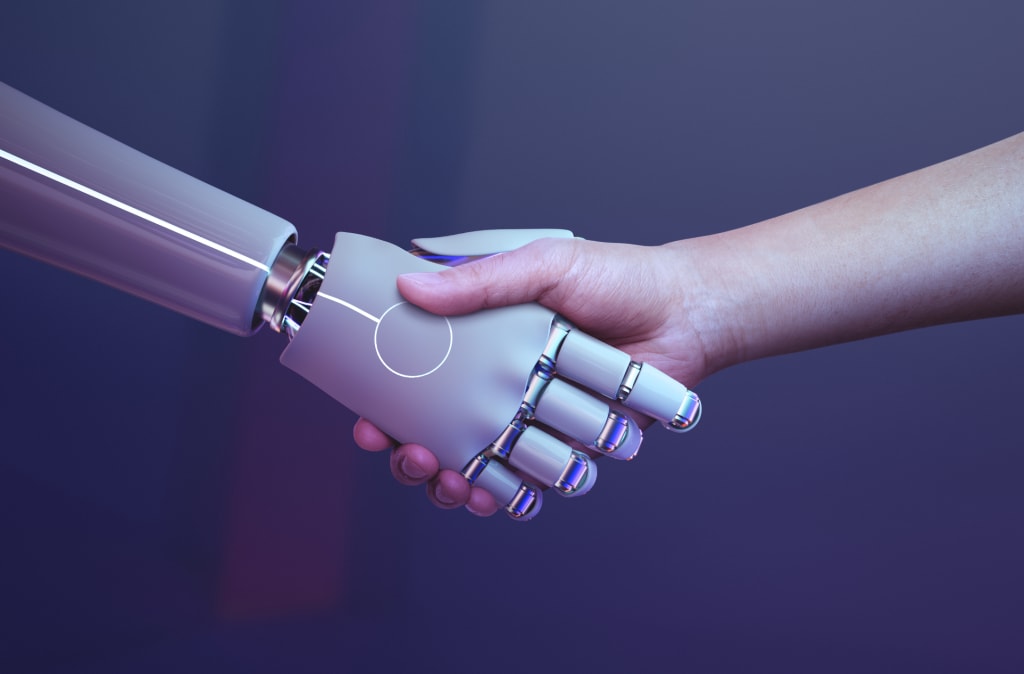
Artificial Intelligence (AI) has rapidly become one of the most exciting and rapidly-evolving fields of technology in recent years. With the introduction of deep learning algorithms and powerful computing systems, AI has the potential to revolutionize numerous industries and change our world for the better. However, the emergence of AI also poses significant risks and ethical concerns as the technology becomes more advanced and integrated into our daily lives. In this article, we will explore both the opportunities and risks of AI and discuss what the future may hold for this exciting technology.
One of the most significant opportunities presented by AI is its potential to drive innovation and increase productivity across various industries. In healthcare, AI can help doctors diagnose diseases and develop new treatments. In manufacturing, AI can optimize production processes, leading to increased efficiency and lower costs. In finance, AI algorithms can be used to analyze vast amounts of data and develop more accurate predictions and investment strategies. The potential applications are endless, and AI has the power to transform every aspect of our lives.
However, as with any emerging technology, there are also significant risks that must be considered. One of the most pressing concerns is the potential for AI to displace human workers, leading to job loss and increased income inequality. As AI systems become more sophisticated, they have the potential to automate many jobs that are currently performed by humans. While this may lead to increased efficiency, it also presents a significant challenge for society as a whole in terms of how we will address the displacement of workers and ensure that everyone benefits from the increased productivity that AI brings.
Another concern surrounding AI is its potential to perpetuate existing biases and reinforce discrimination. AI systems are only as unbiased as the data they are trained on, and if the data contains biases, then the resulting AI system will as well. This manifests in many ways, such as facial recognition algorithms being more accurate for white faces than black faces, or hiring algorithms that discriminate against women or minority candidates. It is essential that we recognize and address these issues to ensure that AI systems are fair and equitable.
Finally, perhaps the most significant risk posed by AI is the potential for the technology to be used for malicious purposes. As AI systems become more powerful, they have the potential to be used to create highly realistic fake videos, known as deepfakes, that could be used to spread misinformation and propaganda. AI could also be used to develop autonomous weapons that could potentially operate without human oversight, raising significant ethical concerns.
As we look to the future of AI, it is clear that the technology has both enormous potential and significant risks. It is essential that we work to mitigate these risks and ensure that AI is developed and used in an ethical and responsible manner. This will require collaboration between government, industry, and academia to create guidelines and regulations that ensure that AI systems are fair, unbiased, and transparent. By working together, we can unlock the full potential of AI while ensuring that the technology is used for the betterment of society as a whole.
One important step in mitigating the risks of AI is to prioritize education and training in the field. As AI becomes more integrated into various industries, it is crucial that professionals in those industries understand how the technology works and its potential applications. This includes not only technical expertise but also an understanding of the ethical considerations surrounding AI. By promoting education and training in the field, we can ensure that the development and use of AI is guided by ethical principles.
Another crucial step is establishing regulations and guidelines around the development and use of AI. Governments and regulatory bodies must work together to create frameworks that ensure that AI is developed and used in a responsible and ethical manner. This includes guidelines on data privacy, algorithmic decision-making, and ethical considerations surrounding the use of AI in fields such as healthcare and law enforcement.
Finally, it is crucial that the development and deployment of AI is guided by a diverse group of individuals with differing backgrounds and perspectives. This means ensuring that more women, people of color, and individuals from marginalized groups are involved in the development and use of AI. A more diverse workforce will help ensure that the ethical considerations of AI are more fully considered, and the technology is developed in an unbiased and fair manner.
In conclusion, the future of AI is both exciting and uncertain. While the technology has tremendous potential to transform various industries and improve our lives, there are also significant risks that must be addressed. It is essential that we work together to promote education and training in the field of AI, establish regulations and guidelines to ensure ethical considerations are factored into its development and use, and promote diversity in the workforce to mitigate bias and discrimination. By doing so, we can unlock the full potential of AI while ensuring it is developed and used in an ethical and responsible manner.
About the Creator
Enjoyed the story? Support the Creator.
Subscribe for free to receive all their stories in your feed.
Comments
There are no comments for this story
Be the first to respond and start the conversation.