
The Expanding Role of Carbon Fiber in Modern Engineering
Exploring the impact of a lightweight material across multiple industries.

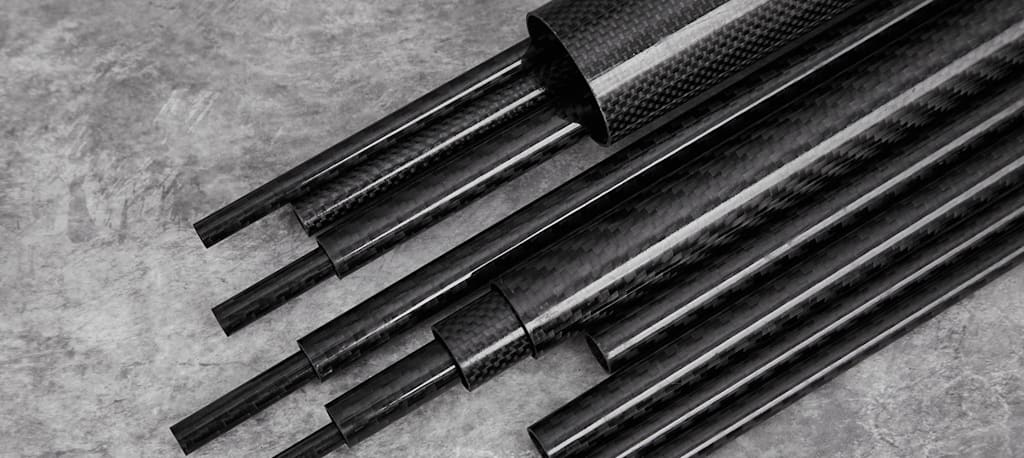
In recent decades, carbon fiber has emerged as one of the most transformative materials in modern engineering and manufacturing. Known for its exceptional strength-to-weight ratio, corrosion resistance, and versatility, it has steadily replaced traditional materials like steel, aluminum, and wood in a wide range of applications. From sports equipment to aerospace components, carbon fiber is reshaping how industries think about performance, durability, and efficiency.
Understanding Carbon Fiber
Carbon fiber is composed of thin strands of carbon atoms bonded together in a crystalline formation. These fibers are often woven into a fabric and combined with a resin to create a composite material. The result is a structure that is both lightweight and incredibly strong. According to widely accepted material science principles, carbon fiber composites can be up to five times stronger than steel while being significantly lighter.
This unique combination makes carbon fiber particularly valuable in applications where reducing weight without compromising strength is critical. Engineers and designers across industries continue to explore new ways to integrate this material into their products.
Applications in Cleaning and Maintenance Equipment
One of the more practical uses of carbon fiber can be found in cleaning technologies. Tools such as Carbon Fiber Water Fed Poles are widely used for high-reach window cleaning and maintenance tasks. These poles allow users to clean tall structures safely from the ground due to their extended reach and lightweight design.
The use of carbon fiber in such tools reduces operator fatigue and increases efficiency. Compared to traditional aluminum or fiberglass poles, carbon fiber versions are easier to handle and more durable, especially in demanding environments. This is particularly useful for commercial cleaning operations where productivity and safety are key concerns.
Innovation in Water Sports
Carbon fiber has also found a strong foothold in water sports equipment. For example, devices like the Carbon Fiber Jet Surfboard demonstrate how advanced materials can enhance performance. Jet surfboards require materials that can withstand constant exposure to water while maintaining structural integrity under dynamic loads.
Carbon fiber provides the rigidity and strength needed for stability while keeping the board lightweight enough for maneuverability. This allows riders to achieve better speed and control, contributing to a more refined and responsive experience on the water.
Similarly, equipment such as Carbon Fiber paddles and Carbon Fiber Diving Fins benefit from the material’s properties. Paddles made from carbon fiber offer improved energy transfer, meaning less effort is required to propel a kayak or paddleboard. Diving fins, on the other hand, use the flexibility and strength of carbon fiber to provide efficient propulsion underwater.
Structural and Industrial Uses
Beyond consumer products, carbon fiber plays a significant role in industrial applications. Components like Carbon Fiber Tubes are commonly used in construction, robotics, and manufacturing. These tubes serve as structural elements where both strength and low weight are essential.
Industries rely on composite tubes for applications such as drone frames, automotive parts, and even medical equipment. Their resistance to corrosion also makes them suitable for use in harsh environments, including marine and chemical processing industries.
The broader category of composite materials has led to the rise of suppliers specializing in advanced structural solutions. A Composite Tubes Supplier typically provides a range of products tailored to specific engineering needs, highlighting the growing demand for customized composite solutions.
Environmental and Economic Considerations
While carbon fiber offers numerous advantages, it is not without challenges. One of the primary concerns is the cost of production, which remains higher than that of traditional materials. The manufacturing process is energy-intensive and requires specialized equipment, contributing to its relatively high price.
Additionally, recycling carbon fiber composites is more complex compared to metals like aluminum or steel. However, ongoing research is focused on developing more sustainable production methods and improving recyclability. As technology advances, it is likely that these challenges will be mitigated, making carbon fiber more accessible and environmentally friendly.
The Future of Carbon Fiber
The future of carbon fiber looks promising as industries continue to innovate. In aerospace, it is already a critical material for reducing aircraft weight and improving fuel efficiency. In the automotive sector, manufacturers are exploring its use in electric vehicles to extend battery range by reducing overall vehicle mass.
Emerging technologies such as renewable energy systems and advanced robotics are also expected to benefit from carbon fiber’s properties. Wind turbine blades, for instance, increasingly incorporate carbon fiber to improve performance and durability.
As research and development continue, the scope of carbon fiber applications will likely expand even further. Its combination of strength, lightness, and adaptability ensures that it will remain a key material in the evolution of modern engineering.
Conclusion
Carbon fiber represents a significant leap forward in material science. Its impact can be seen across diverse fields, from everyday tools to cutting-edge technology. While challenges related to cost and sustainability remain, ongoing innovation is paving the way for broader adoption.
By understanding how carbon fiber is used in various applications—from cleaning equipment to water sports and industrial structures—we gain insight into its transformative potential. As industries continue to push the boundaries of what is possible, carbon fiber will undoubtedly play a central role in shaping the future.
About the Creator
Enjoyed the story? Support the Creator.
Subscribe for free to receive all their stories in your feed.
Comments
There are no comments for this story
Be the first to respond and start the conversation.