
The Evolving Conversation Around Realistic Dolls and Human Connection
Exploring technology, culture, and perception in a changing world

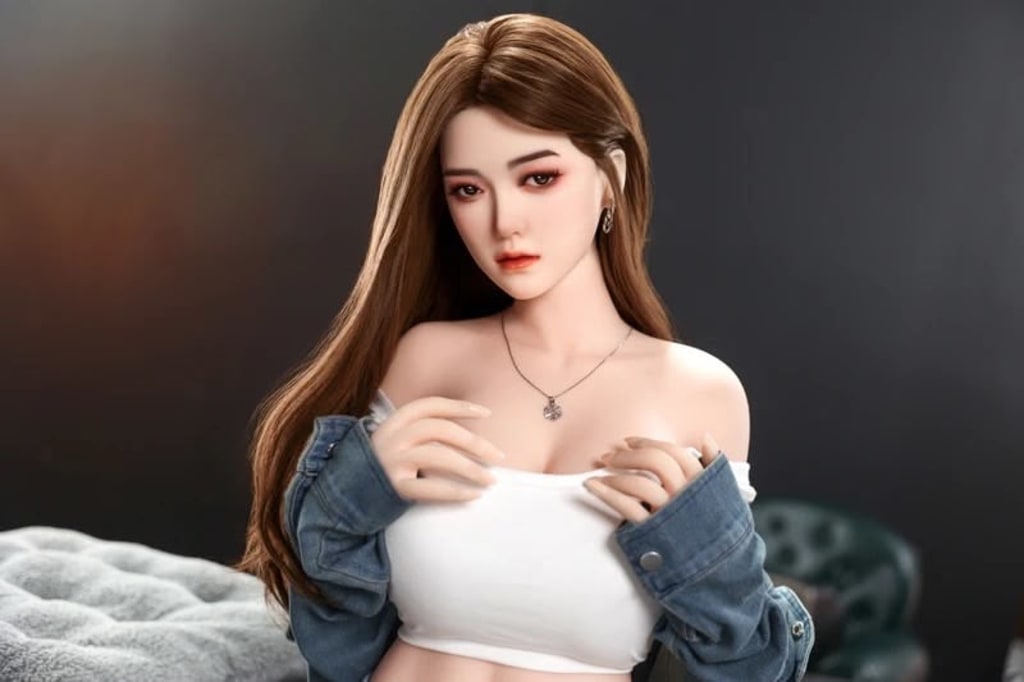
In recent years, discussions around intimacy, companionship, and technology have expanded into areas that were once considered niche or even taboo. Among these topics is the development and increasing visibility of Sex doll products—items designed to replicate aspects of human appearance and, in some cases, emotional connection. While often associated with adult markets, the broader conversation around these creations is far more complex than it first appears.
A Brief Historical Context
The idea of artificial human companions is not new. Historical accounts suggest that sailors in the 17th century crafted rudimentary figures for companionship during long voyages. Over time, advancements in materials such as silicone and thermoplastics have transformed these objects into highly detailed, lifelike forms. Today, manufacturers focus on realism, customization, and durability, reflecting both technological progress and shifting consumer expectations.
Modern designs emphasize anatomical accuracy, texture, and mobility. These improvements are often framed as engineering achievements, demonstrating how far manufacturing processes have come. At the same time, they raise questions about how humans define connection, intimacy, and even identity in an increasingly digital and artificial world.
Cultural Perspectives and Social Debate
Public perception of realistic dolls varies widely across cultures. In some societies, they are viewed as tools for personal exploration or companionship, while in others they remain controversial. Critics often express concern about potential social isolation or unrealistic expectations of relationships. Supporters, on the other hand, argue that such products can serve therapeutic or personal purposes, especially for individuals who struggle with traditional forms of connection.
Media coverage has also played a role in shaping opinions. Documentaries, academic studies, and opinion pieces frequently explore whether these objects represent a harmless extension of human creativity or a sign of deeper societal shifts. The debate continues to evolve alongside the technology itself.
Technology Meets Personalization
One of the most notable developments in this field is the rise of customization. Consumers are no longer limited to standardized designs; instead, they can select features such as appearance, body type, and even stylistic influences. For instance, some products draw inspiration from animation and digital art, leading to the popularity of designs often described as Anime Sex Dolls Australia.
This trend highlights a broader intersection between fandom culture and manufacturing. By incorporating stylized aesthetics, creators appeal to individuals who seek something beyond realism—blending fantasy with physical form. It also reflects how global media influences personal preferences in unexpected ways.
Language, Marketing, and Neutral Framing
When discussing these products, terminology can shape perception. Phrases like Sex Doll Australia or Realistic Sex Dolls AU are often used in commercial contexts, but they also reveal how language frames the conversation. Words such as “realistic” and “lifelike” emphasize technological achievement, while geographic identifiers point to regional markets and demand.
However, outside of marketing, a more neutral vocabulary is often preferred in academic and cultural discussions. Researchers and writers tend to focus on themes such as human–technology interaction, emotional substitution, and ethical considerations, rather than promotional language.
Ethical and Psychological Considerations
As these products become more sophisticated, ethical questions naturally arise. Some scholars explore whether reliance on artificial companions could impact interpersonal relationships, while others investigate potential benefits, such as reducing loneliness or providing a safe outlet for personal expression.
There is also an ongoing discussion about representation and diversity. As customization expands, so does the ability to reflect different body types, cultural aesthetics, and identities. This raises both opportunities for inclusivity and concerns about how representation is interpreted or idealized.
Looking Ahead
The future of this industry will likely be shaped by advancements in artificial intelligence, robotics, and materials science. Concepts that once seemed purely speculative—such as interactive responses or adaptive behavior—are gradually becoming more plausible. As these innovations emerge, society will continue to grapple with their implications.
Ultimately, the conversation surrounding realistic dolls is not just about the objects themselves. It touches on broader themes of human need, technological progress, and the ways people navigate connection in a rapidly changing world. By examining these developments with nuance and balance, it becomes possible to understand not only the products, but also the evolving nature of human experience.
About the Creator
OptimisticSoul
OptimisticSoul: always seeing the good in every situation. Favorite hobby: spreading positivity and good vibes. Secret talent: turning any frown upside down.
Enjoyed the story? Support the Creator.
Subscribe for free to receive all their stories in your feed.
Comments
There are no comments for this story
Be the first to respond and start the conversation.