
The Evolution of the Window Screen: From Fixed Mesh to Modern Retractable Systems
How Modern Engineering is Redefining Seamless Indoor-Outdoor Living and Aesthetic Home Protection

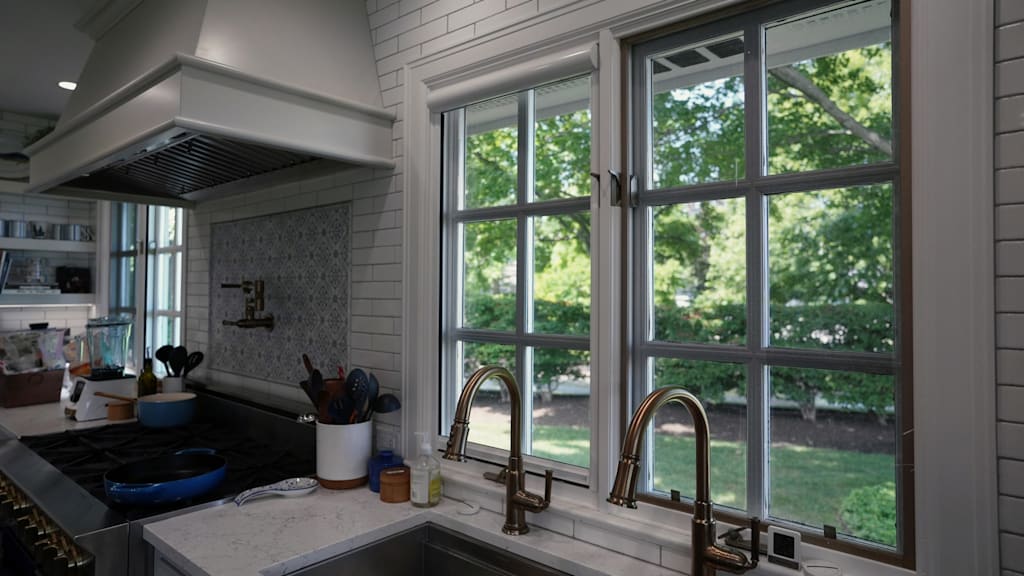
The shift toward open-plan living has fundamentally changed how we perceive the boundaries of our homes. While the "pull-across" mechanism has revolutionized window design, perhaps the most significant impact has been felt at the primary entry points of the house. As homeowners increasingly favor sprawling bifold, stacker, and French doors to connect their living rooms to outdoor decks, the demand for Retractable Fly Screens for Doors has surged, offering a solution that traditional swinging or sliding screen doors simply cannot match.
A Brief History of the Barrier
To understand the rise of retractable technology, one must look at where the window screen began. While rudimentary covers made of cloth or wicker existed in ancient civilizations, the "modern" wire window screen didn't gain commercial traction until the mid-19th century. Legend suggests that during the American Civil War, a wire cloth employee realized that leftover sieves used for food processing could be painted and sold as window covers to keep out flies.
By the early 20th century, the "fly screen" had become a public health staple. It was instrumental in reducing the spread of diseases like malaria and yellow fever. For decades, the standard was a fixed wooden or aluminum frame. While functional, these had significant drawbacks: they blocked views, gathered dust that was difficult to clean, and were prone to damage during the seasons when windows remained closed.
The Rise of Retractable Systems
As homeowners began to invest more in high-end joinery—such as casement windows, oversized sliders, and bifold doors—the limitations of fixed screens became glaring. A fixed screen acts as a permanent filter, dulling the clarity of expensive glass and obstructing the physical opening of the window.
This birthed the "retractable" movement. Unlike a permanent fixture, a retractable fly screen operates on a mechanism similar to a roller blind or a sliding door, but on a horizontal or vertical axis. When not in use, the mesh resides in a slim, protective cassette at the side or top of the window frame. When protection is needed, the user simply "pulls across" the screen, which glides along discreet tracks to create a sealed barrier.
Why "Pull-Across" Logic is Winning
In markets like Pull-Across Window Retractable Fly Screens Australia, where the climate demands constant ventilation but the local insect population is particularly persistent, the "pull-across" window retractable fly screen has become a preferred architectural solution. There are several reasons for this shift away from traditional vertical rollers:
Ergonomics and Ease of Use: Pulling a screen horizontally (pull-across) is often more natural for the human arm’s range of motion, especially for wider windows where reaching the top of a vertical roller might be difficult.
Structural Integrity: For large openings, vertical screens can sag over time due to gravity. Horizontal pull-across systems maintain tension more effectively across wide spans, making them ideal for modern wide-format windows.
Aesthetic Discretion: Modern cassettes are designed to be "architecturally invisible." They can be powder-coated to match window joinery perfectly, ensuring that when the screen is retracted, the visual impact on the home’s design is zero.
The Science of the Mesh
The evolution isn't just in the frame, but in the material itself. Early screens were made of heavy steel or reactive copper. Today, high-tech fiberglass and polyester weaves are the standard. These materials are chosen for their "memory"—the ability to be rolled and unrolled thousands of times without creasing or tearing.
Furthermore, the "transparency" of mesh has improved. Many modern retractable systems use "high-visibility" mesh, which features a thinner yarn and a tighter weave. This allows for better airflow and clearer views, effectively making the screen disappear even when it is in use.
Environmental and Health Impacts
Beyond the convenience, there is a sustainability argument for the integration of retractable screens. By allowing homeowners to leave windows wide open during the evening or morning hours without the fear of insect intrusion, these screens encourage natural "passive cooling." This reduces the reliance on air conditioning, lowering a household's carbon footprint and energy costs.
From a health perspective, the ability to seal a home while maintaining airflow is a primary defense against allergens and pests. In regions prone to mosquitoes, a well-fitted retractable screen is not a luxury, but a critical piece of home infrastructure.
Conclusion
The window screen has come a long way from a painted piece of industrial wire cloth. Today’s pull-across retractable systems represent a marriage of necessity and design. They acknowledge that while we want to protect our interiors from the elements and insects, we do not want to live in a cage. By hiding the barrier when it isn't needed, we are finally able to enjoy the unobstructed views our windows were designed to provide, without compromising on the comfort of a bug-free home. As we look toward the future of home design, the trend is clear: the best technology is the kind you don't even know is there.
About the Creator
Enjoyed the story? Support the Creator.
Subscribe for free to receive all their stories in your feed.
Comments
There are no comments for this story
Be the first to respond and start the conversation.