
The Evolution of Customization in Modern Companion Design
How personalization is reshaping perception, technology, and cultural discourse

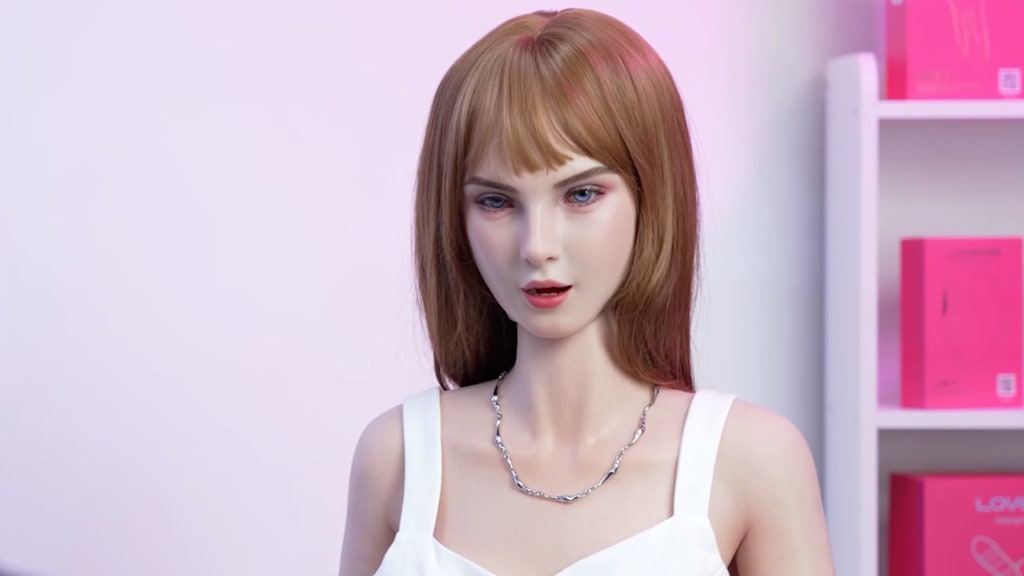
In recent years, the conversation around artificial companionship has shifted from novelty to nuanced discussion. At the center of this transformation is the concept of the sex doll (Bambola sessuale)—a subject that intersects technology, psychology, ethics, and design. Rather than existing purely as objects of controversy, these creations are increasingly examined through the lenses of craftsmanship, user preference, and cultural reflection.
From Standardization to Personal Expression
Historically, early versions of these products were limited in design and often lacked realism. Over time, advancements in materials such as silicone and thermoplastic elastomers have made it possible to create more lifelike textures and forms. This evolution has opened the door to customization, where users can shape details ranging from facial structure to body proportions.
The concept of a Custom Sex Doll (Bambola del sesso personalizzata) reflects a broader consumer trend: people increasingly seek products that align closely with their identity or imagination. In this sense, customization is not merely a feature—it is a shift toward personalization as a core value in modern product design.
Similarly, the idea of a Tailored Sex Doll (Bambola del sesso su misura) highlights the growing expectation that even highly specialized products should meet individual specifications. This mirrors developments in industries like fashion and automotive design, where customization has become a marker of both quality and personal agency.
Technology as a Driving Force
The role of technology in this evolution cannot be overstated. Digital modeling, 3D sculpting, and AI-assisted design tools have enabled manufacturers to achieve unprecedented levels of detail. These tools allow for precise replication of human features, contributing to what is often described as a Realistic Sex Doll (Bambola del sesso realistica) experience.
At the same time, the integration of robotics and artificial intelligence is beginning to expand functionality beyond physical appearance. While still developing, these innovations raise important questions about interaction, emotional attachment, and the boundaries between simulation and reality.
Brands such as XYlover Doll (Bambola XYlover) are often cited in discussions about how companies position themselves within this evolving market. However, the broader narrative extends beyond any single manufacturer. The emergence of what some describe as the Best Sex Doll Brand (miglior marchio di bambole del sesso) reflects a competitive landscape driven by innovation, craftsmanship, and shifting consumer expectations.
Cultural and Ethical Considerations
As customization becomes more sophisticated, so too does the cultural conversation surrounding these products. Critics often raise concerns about objectification and social impact, while others argue that such technologies can serve as tools for companionship, self-exploration, or even therapeutic use.
The ethical debate is further complicated by the diversity of user motivations. For some, these products represent a form of escapism; for others, they provide a controlled environment to explore identity or preferences. This complexity makes it difficult to categorize the phenomenon in purely positive or negative terms.
A Reflection of Broader Trends
Ultimately, the rise of customization in this field mirrors a larger societal shift toward personalization. Whether in digital experiences, consumer goods, or entertainment, individuals increasingly expect products to adapt to them rather than the other way around.
In this context, the evolution of these designs is less about the objects themselves and more about what they reveal: a growing desire for control, individuality, and tailored experiences in an increasingly standardized world.
Conclusion
The development of customizable companion products represents a convergence of technology, design, and human behavior. By examining them through a broader lens—one that includes cultural, ethical, and technological perspectives—it becomes clear that they are part of a larger narrative about personalization in the modern age.
Rather than viewing them solely through controversy or curiosity, it may be more useful to consider what they indicate about the future of human-centered design: a future where customization is not optional, but expected.
About the Creator
OptimisticSoul
OptimisticSoul: always seeing the good in every situation. Favorite hobby: spreading positivity and good vibes. Secret talent: turning any frown upside down.
Enjoyed the story? Support the Creator.
Subscribe for free to receive all their stories in your feed.
Comments
There are no comments for this story
Be the first to respond and start the conversation.