
The Ethics of Gene Editing: Is the Ability to Edit Human DNA a Boon or a Bane
Is the Ability to Edit Human DNA a Boon or a Bane
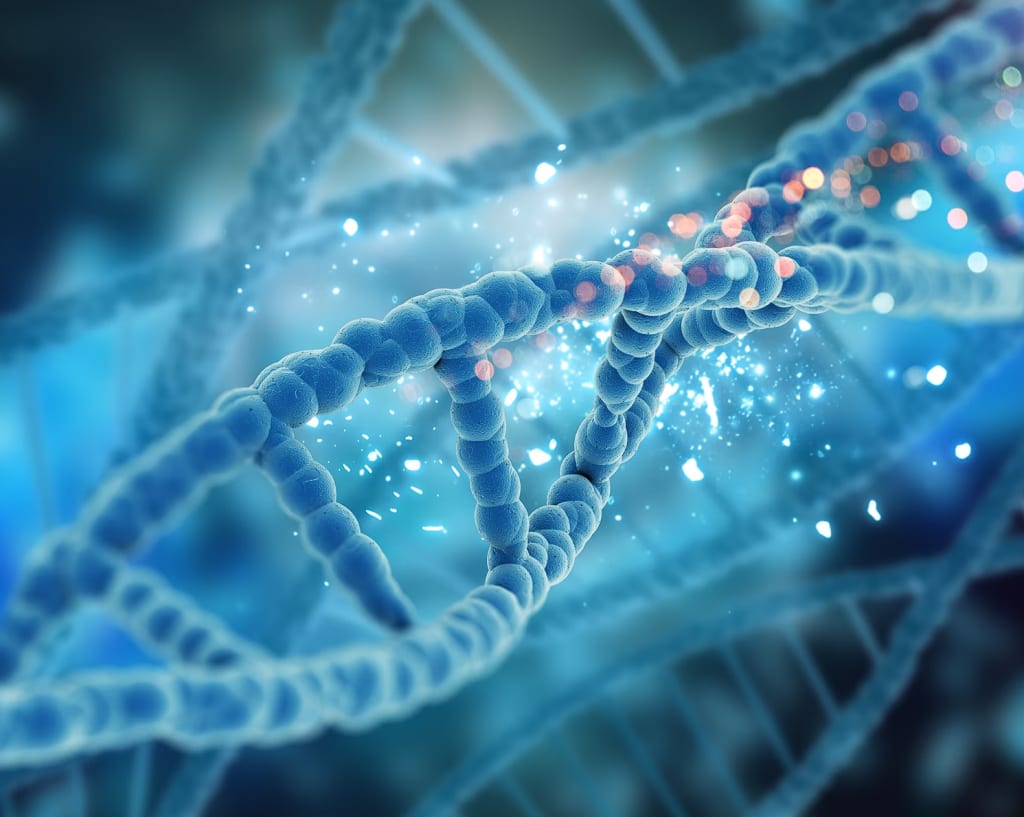
Gene editing, the ability to manipulate and alter human DNA, has been hailed as a groundbreaking technology with the potential to cure genetic diseases, eliminate inherited disorders, and even enhance certain human traits. However, the ethical considerations surrounding gene editing have sparked widespread debate and controversy. In this article, we will explore the ethics of gene editing, examining both its potential benefits and its significant risks.
On one hand, gene editing has the potential to save countless lives and prevent the spread of inherited diseases. For example, gene editing could be used to remove genetic mutations that cause diseases such as cystic fibrosis, sickle cell anemia, and Huntington's disease. In addition, gene editing could potentially eliminate inherited disorders, such as Down syndrome, that result from an extra chromosome. This could potentially prevent individuals from experiencing significant physical and cognitive disabilities.
However, the ability to edit human DNA also raises significant ethical concerns. One of the most pressing concerns is the potential for gene editing to be used to enhance certain human traits, such as intelligence, height, or physical strength. This could lead to a society in which certain individuals have a significant advantage over others based on their genetic makeup, exacerbating existing inequalities.
Another concern is the potential for gene editing to alter the basic nature of humanity. As genetic modifications become more widespread, it is possible that humans could evolve into a new species entirely. This raises existential questions about what it means to be human and the implications of altering our DNA on a fundamental level.
Finally, there are significant ethical considerations around the safety and testing of gene editing technologies. It is unclear what the long-term effects of gene editing may be, and it is essential to ensure that these technologies are thoroughly tested and proven safe before they are used on humans. In addition, there is also the potential for misuse of gene editing technologies, such as creating genetically modified organisms (GMOs) or even viruses that could cause widespread harm.
As we look to the future of gene editing, it is clear that there is no easy answer to the ethical considerations involved. However, it is essential that we proceed with caution and that we prioritize the safety and well-being of individuals over potential scientific glory or profit. This means conducting thorough testing and regulation to ensure that gene editing technologies are safe and effective. It's also crucial to engage in a broader societal conversation, including scientists, ethicists, and policymakers, to ensure that we acknowledge and address the ethical implications of gene editing.
In conclusion, gene editing has the potential to transform human biology and medicine, but it also raises significant ethical concerns. The potential benefits, such as curing genetic diseases, cannot ignore the risks of using this technology for human enhancement, altering the nature of humanity, and unleashing profound unintended consequences. Therefore, it is crucial that we continue to engage in a broader conversation around these ethical considerations and proceed with caution so that the benefits of gene editing do not come at the cost of human dignity and safety.
One of the most critical considerations when discussing gene editing ethics is the potential for it to exacerbate existing societal inequalities. While gene editing offers the possibility of increased health and well-being, it is equally likely that without proper regulation, it could be used to create genetically perfect individuals and exacerbate existing societal inequalities based on wealth, class, or access to healthcare. This could lead to what is being called a "genetic caste system," in which society is divided into genetically superior and inferior classes, each with different levels of access to resources and opportunities.
Another significant ethical concern with gene editing is that it is likely to exacerbate existing global health inequalities. This is because gene editing is expensive and challenging to undertake, meaning that initially, it is likely to be available only to those with significant resources. This will undoubtedly create a situation in which the wealthiest individuals have access to the most advanced gene editing treatments, while the remainder of society is left behind. This will only perpetuate existing global health inequalities already present in contemporary medical treatments.
Finally, the widespread use of gene editing technologies raises questions about who should be allowed to decide when editing DNA modifications are suitable and for what purpose. Should scientists have free rein over the procedures and possible benefits of gene editing, or should there be ethical guidelines in place to monitor such procedures? Many advocates of gene editing technologies argue that there should be ethical and moral principles guiding how gene editing technologies get used in society, with strict monitoring and limitations on their proliferation.
In summary, gene editing is undergone significant leaps in recent years and offers the possibility of a range of benefits in fields such as disease treatment, prevention, and the extension of human life. It is clear, however, that this technology is not without the potential for significant ethical considerations and has the potential to exacerbate existing societal inequalities. As such, it is crucial that we have an open and frank conversation about the ethical implications of gene editing, and how human society can regulate and use this technology to bring about maximum benefits while minimizing harm. Only then can we ensure that the gene-editing revolution is carried out, offering a new world of scientific prospects, in an international and fair manner while maintaining basic moral and ethical principles.
About the Creator
Enjoyed the story? Support the Creator.
Subscribe for free to receive all their stories in your feed.
Comments
There are no comments for this story
Be the first to respond and start the conversation.