
The Cultural Evolution of Wedding Photography: How Traditions, Technology, and Storytelling Changed the Industry
How wedding photography evolved from formal portraits into a powerful form of storytelling that preserves culture, emotion, and personal history.

Introduction
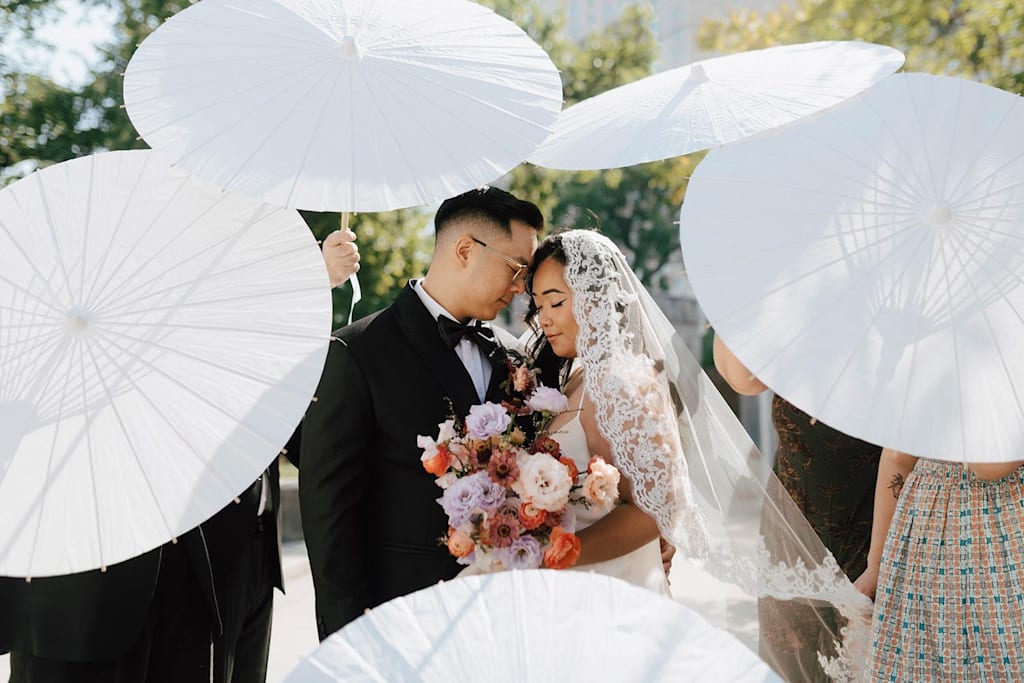
Wedding photography has become one of the most significant forms of visual documentation in modern society. Beyond preserving memories, it reflects cultural values, artistic trends, and changing perceptions of relationships and celebrations. Over the decades, wedding photography has evolved from rigid studio portraits to emotionally driven storytelling designed to capture authentic experiences.
This transformation mirrors advancements in technology and changing social expectations. Today, wedding photographs often serve not only as keepsakes for couples but also as historical records that reveal how societies celebrate commitment and family.
The Origins of Wedding Photography
Wedding photography emerged during the nineteenth century when photographic equipment required lengthy exposure times. As a result, newly married couples often visited studios after ceremonies to create carefully posed portraits. These images were formal, serious, and highly structured because spontaneity was nearly impossible to capture.
At that time, photography itself was expensive and uncommon. A wedding portrait represented more than a memory—it symbolized social status, permanence, and family heritage.
The earliest wedding photographs focused primarily on appearance rather than emotion. Expressions remained neutral, and compositions emphasized clothing, posture, and symbolic details.
The Shift Toward Documentary-Style Photography
Technological improvements throughout the twentieth century significantly altered wedding photography practices. Smaller cameras, faster film, and later digital systems allowed photographers to capture events in real time.
This shift introduced documentary approaches that prioritized authentic interactions over staged portraits. Photographers increasingly sought moments such as nervous anticipation before ceremonies, spontaneous laughter among guests, and emotional family interactions.
Modern discussions surrounding wedding photographer toowoomba often highlight how contemporary approaches focus on storytelling rather than simple documentation.
As expectations changed, couples began valuing photographs that conveyed atmosphere and emotion instead of exclusively formal portraits.
The Role of Location in Visual Storytelling
Geography has become an important factor in shaping wedding photography styles. Environmental conditions, landscapes, architecture, and cultural traditions influence how ceremonies are documented.
Regional wedding aesthetics vary considerably. Outdoor settings, rural venues, and urban environments create unique visual opportunities that affect composition and lighting choices.
Interest in topics related to wedding photography toowoomba demonstrates how location-specific environments contribute to distinctive photographic styles and visual narratives.
Natural scenery frequently becomes part of the storytelling process rather than merely serving as a backdrop.
Social Media and the Demand for Authenticity
The rise of digital platforms has changed how people view and share wedding images. Couples increasingly seek photographs that appear genuine and emotionally resonant rather than heavily staged.
Authenticity has become a defining trend in visual culture. Images emphasizing candid reactions often receive greater appreciation because they feel more relatable and personal.
At the same time, social media has influenced aesthetic preferences, encouraging styles that balance artistic presentation with realism.
Technology Continues to Redefine Wedding Photography
Recent innovations have expanded creative possibilities within the field. Mirrorless cameras, drones, advanced editing software, and AI-assisted tools enable photographers to produce images with remarkable precision.
However, these developments raise important questions regarding authenticity and representation. As editing capabilities improve, distinctions between enhancement and alteration become increasingly complex.
Despite technological advancements, the core purpose remains unchanged: preserving meaningful moments.
Wedding Photography as Cultural Documentation
Wedding photographs frequently become long-term historical records. Generations later, these images may reveal social customs, fashion trends, family structures, and cultural expectations surrounding marriage.
Researchers examining visual culture often consider wedding photography valuable because it captures both personal experiences and broader societal patterns.
Readers interested in the historical development of the profession may explore broader discussions surrounding toowoomba wedding photographer and the evolution of wedding imagery worldwide.
Why Wedding Photography Continues to Matter
Wedding photography extends beyond aesthetics or trends. It preserves emotions, relationships, and traditions in visual form. Long after celebrations end, photographs remain tangible reminders of significant life events.
Although styles will continue evolving alongside technology and cultural values, the desire to document meaningful milestones appears enduring. Wedding photography therefore occupies a unique position between art, history, and memory.
Conclusion
The evolution of wedding photography reflects changing attitudes toward storytelling, authenticity, and celebration. From formal studio portraits to candid emotional narratives, the field has continually adapted to technological progress and social expectations.
Ultimately, wedding photography represents more than images captured during a ceremony. It preserves human experiences, records cultural history, and shapes how future generations remember important moments.
About the Creator
Enjoyed the story? Support the Creator.
Subscribe for free to receive all their stories in your feed.
Comments
There are no comments for this story
Be the first to respond and start the conversation.