
The AI Memory Crunch: How the Data Center Boom is Starving Consumer Electronics
As Micron and Samsung pivot their manufacturing capacity toward high-bandwidth memory for artificial intelligence, everyday devices face a prolonged era of higher prices, shrinking specifications, and limited availability.

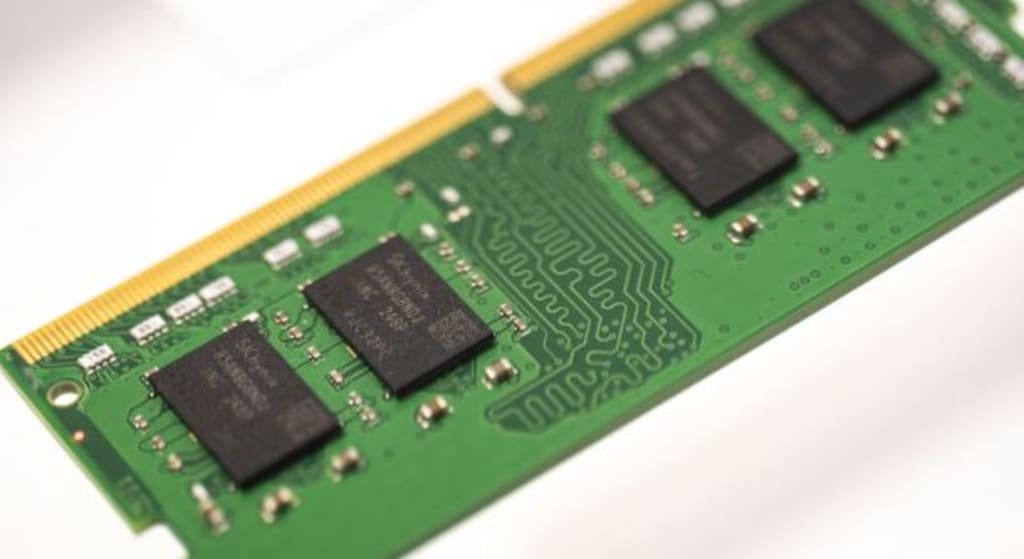
For over a decade, the trajectory of consumer technology has been defined by a predictable and welcome trend: more performance for less money. RAM and storage have become increasingly abundant and affordable, allowing everyday users to enjoy devices with generous memory configurations. However, that era of plenty has abruptly come to an end. According to top executives from semiconductor giants Micron and Samsung, a severe memory shortage is not only here but is projected to persist for at least the next couple of years. The culprit is the insatiable, exponential demand for artificial intelligence, which is fundamentally reshaping the global supply chain and cannibalizing the resources once dedicated to consumer electronics.
The core of this supply chain disruption lies in the dramatic shift toward High-Bandwidth Memory (HBM). Unlike standard DRAM, which is used in everyday devices like laptops and smartphones, HBM is a highly specialized, densely packed memory architecture designed specifically to feed the massive computational appetites of AI accelerators and data center servers. Sanjay Mehrotra, CEO of Micron Technology, made it unequivocally clear to investors that the supply-demand environment for memory is "only getting tighter." While Micron no longer sells consumer RAM directly, Mehrotra’s warnings about business-to-business sales have profound ripple effects for the average consumer. Manufacturing capacity is a zero-sum game; every silicon wafer dedicated to producing HBM for AI is a wafer not producing standard DRAM for consumer devices.
The scale of this pivot is staggering. Mehrotra revealed that a staggering 75 percent of Micron’s memory output for 2027 is already accounted for, with most current sales discussions already looking ahead to 2028. Furthermore, the pricing dynamics reflect this extreme scarcity. "For 2027, a large part of the volume is already sold out for HBM, and the prices are much higher than 2026 prices," Mehrotra noted. The demand for HBM has now decisively surpassed the demand for Micron’s standard DRAM, creating a powerful financial incentive for the company to prioritize its largest, most lucrative enterprise clients over the consumer market.
One might ask why semiconductor manufacturers cannot simply build more factories to meet this surging demand. The answer lies in the unforgiving physics and economics of advanced semiconductor manufacturing. Micron plans to open new clean rooms for memory manufacturing in 2028, but Mehrotra cautioned that this will not provide immediate relief. "Even after they are built, even after first wafer output, production ramps up only gradually in the clean rooms," he explained.
Compounding this gradual ramp-up are complex technical headwinds. As the industry transitions from HBM 3E to a greater mix of HBM 4 and 4E, the "trade ratio" creates inherent bottlenecks in supply growth. Furthermore, future node transitions in semiconductor manufacturing are yielding diminishing returns, providing less productivity gain per wafer than in previous generations. In short, making advanced memory is becoming slower, more complex, and more expensive, preventing a rapid scaling of supply to match the explosive growth in demand.
Micron is not alone in this assessment. Kim Taewoo, an Executive Vice President at Micron’s primary competitor, Samsung, echoed these sentiments this week. According to Reuters, Kim projected that HBM will account for almost 30 percent of all DRAM manufacturers’ wafer capacity by 2027, a massive leap from just 20 percent this year. This reallocation of nearly a third of the industry’s total production capacity away from standard DRAM guarantees that the supply of memory for consumer devices will remain severely constrained for the foreseeable future.
The fallout for consumers is already materializing, and it is both tangible and frustrating. The most symbolic casualty of this shift is Micron’s own Crucial brand, a staple in the DIY PC building community. In December 2025, the company announced it would cease selling RAM directly to consumers. Sumit Sadana, Micron’s EVP and chief business officer, justified the move by pointing to AI-driven demand for data center memory, stating the company needed to improve "supply and support for our larger, strategic customers in faster-growing segments." For the average PC builder, a trusted, high-quality source of consumer RAM has simply vanished from the market.
Beyond the DIY market, the broader consumer electronics industry is absorbing the shock. Prebuilt PC manufacturers are facing skyrocketing component costs, which they are passing directly on to buyers. Consumers are now encountering a form of tech "shrinkflation": original equipment manufacturers (OEMs) are offering lower RAM configurations at higher overall prices to maintain their profit margins. A laptop that might have comfortably shipped with 16GB of RAM a year ago is now increasingly likely to be configured with 8GB or priced significantly higher to include the 16GB option.
This memory crunch is not isolated to personal computers. The ripple effects are being felt across the entire spectrum of consumer electronics. The production of smartphones, smart home devices, streaming sticks, and next-generation gaming consoles all relies on standard DRAM and NAND flash memory. As the supply of these components tightens and their wholesale prices rise, the retail prices of these everyday gadgets are inevitably climbing. Consumers looking to upgrade their phones or purchase a new gaming console will find that their dollars buy less performance than they did just a few years ago.
Mehrotra admitted that Micron cannot currently predict when supply will finally catch up with demand. The trajectory of artificial intelligence shows no signs of slowing. "Demand trends of larger models, growing context, more concurrency, greater agents across enterprise, and consumer only continue to drive greater need for memory," he stated. As AI models become more complex and are integrated into more facets of daily life, their hunger for high-performance memory will only intensify.
Ultimately, the current memory shortage is not a temporary supply chain glitch; it is a structural realignment of the global technology industry. The semiconductor sector has made a calculated, irreversible bet that the future of computing lies in enterprise AI, not in the incremental upgrades of consumer gadgets. For the average consumer, this means adapting to a new normal. The days of effortlessly upgrading to more RAM for a few dollars are over. In the age of artificial intelligence, the data center always eats first, and the consumer market will have to make do with the leftovers.
About the Creator
Mark Lim
Hi I am mark an automotive student and a car, tech and food enthusiast ! Im gonna try and post daily & hope you enjoy what I write and do share my page with people you know. I would gladly appreciate it! Cheers
Enjoyed the story? Support the Creator.
Subscribe for free to receive all their stories in your feed.
Comments
There are no comments for this story
Be the first to respond and start the conversation.