
The 7 Biggest Mistakes People Make When Talking to Police
A complete Guide
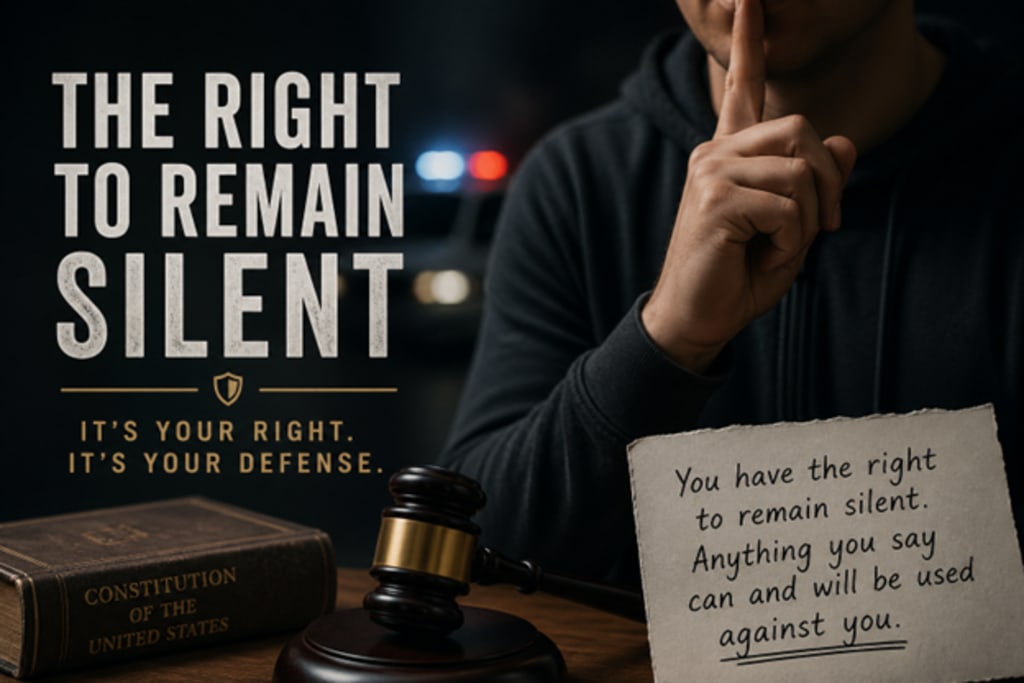
Most people believe that if they are innocent, cooperating fully with police officers is the safest thing they can do. It’s a natural instinct. People want to appear honest, helpful, and respectful. Unfortunately, that instinct can sometimes lead directly to criminal charges.
As a criminal defense attorney, I’ve seen many cases where a person’s own words became the most damaging evidence against them. Even well-meaning statements can be misunderstood, taken out of context, or used to support a prosecutor’s theory of the case.
Whether you are being investigated for a crime, pulled over during a traffic stop, or simply questioned as a witness, it is important to understand your rights and avoid common mistakes that can seriously harm your case.
Here are seven of the biggest mistakes people make when talking to police.
1. Believing Innocent People Don’t Need a Lawyer
One of the most dangerous misconceptions in the criminal justice system is the idea that only guilty people ask for attorneys.
In reality, innocent people often have the most to lose by speaking freely without legal guidance. Police officers are trained investigators. Their job is to gather information and build cases. Once you become a suspect, even casually answering questions can create problems.
People frequently assume they can “clear things up” on their own. Instead, they may accidentally provide inconsistent details, speculate about facts they are unsure about, or say something that can later be interpreted negatively.
Requesting an attorney is not an admission of guilt. It is the exercise of a constitutional right.
2. Trying to Talk Their Way Out of the Situation
Many people think they can explain enough details to convince officers not to arrest them. In practice, this often backfires.
When individuals become nervous, they tend to overtalk. The more someone speaks, the greater the chance they will make statements that investigators can later challenge or reinterpret.
Even small inconsistencies can become significant in a criminal case. Stress affects memory, and people often recall events differently during repeated questioning. Prosecutors may later argue that changing details indicate deception.
In many situations, remaining calm and politely declining to answer questions is far safer than attempting to persuade investigators.
3. Consenting to Searches Without Understanding Their Rights
Another common mistake is voluntarily consenting to searches of vehicles, phones, homes, or personal belongings.
Many people do not realize they have the right to refuse consent in many situations. Instead, they feel pressured or assume refusal will make them appear guilty.
Police officers may legally use evidence discovered during a consensual search in court. Once consent is given, challenging the legality of the search becomes much more difficult.
You can respectfully decline a search by calmly stating:
“I do not consent to any searches.”
That statement preserves important constitutional protections.
4. Thinking Casual Conversations Are “Off the Record”
People often believe that conversations with officers outside of formal questioning are unofficial or harmless. That is rarely true.
Statements made:
● In patrol cars
● During transportation
● While waiting at a station
● Over the phone from jail
● In casual conversation
can all potentially be used as evidence.
Many individuals lower their guard once they believe the “interview” is over. Unfortunately, investigators are still paying attention.
There is no magic phrase that makes a conversation off the record during a criminal investigation.
5. Lying to Investigators
Even when people panic, lying to law enforcement is almost always a serious mistake.
False statements can:
● Damage credibility
● Create additional criminal exposure
● Be used to argue consciousness of guilt
● Undermine legitimate defenses later
Sometimes people lie because they are embarrassed or afraid, even if the underlying issue is relatively minor. Unfortunately, investigators are trained to identify inconsistencies and verify information independently.
If you do not wish to answer questions, it is usually far better to politely remain silent than to provide inaccurate information.
6. Posting About the Situation on Social Media
Many people underestimate how often social media becomes evidence in criminal investigations.
Photos, videos, private messages, comments, and location data can all become part of a criminal case. Even deleted content may sometimes be recovered.
People also make the mistake of discussing:
● Their side of the story
● Frustrations about the arrest
● Witnesses
● Police conduct
● Evidence
online while the case is still pending.
Prosecutors and investigators regularly review social media accounts during criminal cases. Something posted impulsively can later appear in court.
In most situations, remaining silent online is the safest decision.
7. Waiving Miranda Rights Without Understanding the Consequences
Television has made Miranda warnings famous, but many people misunderstand how important they truly are.
When officers advise someone of their right to remain silent and right to an attorney, they are informing that person of critical constitutional protections. Unfortunately, many individuals immediately waive those rights and agree to questioning.
Police investigators are trained to obtain statements. They may appear friendly, sympathetic, or reassuring. Some suspects begin talking because they believe cooperation will help them avoid charges.
In reality, statements made during interrogations often become key evidence for the prosecution.
Invoking your rights is simple and direct:
“I am invoking my right to remain silent. I want an attorney.”
Once that request is made clearly, questioning should stop.
Final Thoughts
Interacting with law enforcement can be stressful and intimidating, especially for someone who has never been involved in the criminal justice system before. In those moments, people often make decisions that they later regret.
The reality is that many criminal cases are built largely on statements made by the accused. Understanding your rights — and exercising them calmly and respectfully — can make a tremendous difference.
Remaining silent is not an admission of guilt. Asking for an attorney is not suspicious. Constitutional rights exist to protect everyone, especially during high-pressure situations where the stakes are incredibly high.
About the Creator
Enjoyed the story? Support the Creator.
Subscribe for free to receive all their stories in your feed.
Comments
There are no comments for this story
Be the first to respond and start the conversation.