
Temporary Fence Hire: The Stuff Nobody Tells You Until It's Too Late
A straight-talking guide to hiring temp fencing without getting stung on delivery, clamps, or more.

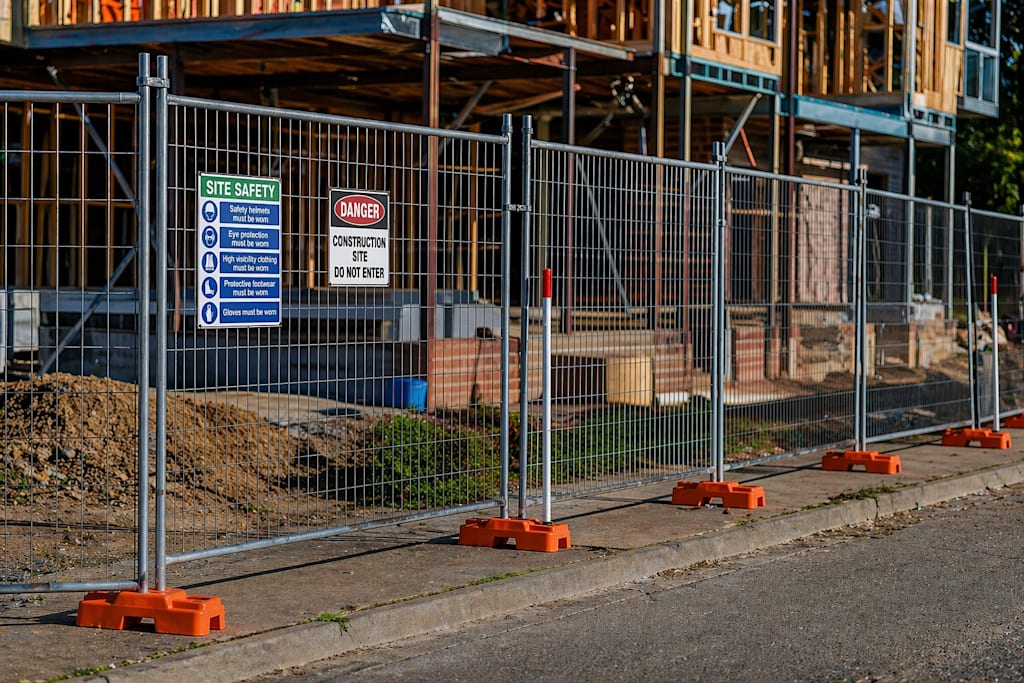
Most people booking Temporary Fence Hire treat it like hiring a skip bin. Call someone, pay the quote, done.
That's exactly how building sites get shut down by council, events get fined, and event organisers end up scrambling at 6am on a Saturday because half their fence panels didn't turn up.
I've been around this industry long enough to know the difference between a good hire and a disaster usually comes down to three or four decisions made before the fence even arrives on site.
The Takeaways You Actually Need
Panel count matters less than panel type. Crowd control vs construction fencing are not interchangeable. Using the wrong one can void your insurance.
Get delivery and pickup in writing with time windows. "Sometime Tuesday" is how you end up paying for an extra week.
Feet and clamps are where suppliers cut corners. No feet = no fence. No clamps = a legal liability.
Wind loading is real. Shade cloth or mesh on fences without bracing will blow over in a 40km/h gust. I've seen it.
Council permits take longer than you think. If your fence sits on a footpath or nature strip, you need a permit. Budget 5-10 business days.
Cheapest quote usually means oldest stock. Bent panels, rusty feet, missing clamps. You get what you pay for.
Construction Fencing vs Crowd Control - Don't Mix Them Up
This is the number one mistake I see.
Construction temporary fencing is 2.1m high, heavy gauge, sits in concrete feet, and is designed to keep people out of a worksite. It's what WorkSafe expects around any active construction zone.
Crowd control barriers are 1.1m high, lighter, and designed to guide pedestrian flow. Events, queues, parking lots.
I've watched a builder try to secure a demolition site with crowd control barriers because they were $3 cheaper per panel. Site got red-tagged within 48 hours. The fine was $2,200. The re-hire was another $1,800.
The cheap option cost him four grand.
Why Most Quotes Are Missing Half the Equation
A proper temporary fence hire quote should include:
- Panel count and type
- Feet (concrete block, typically 28-32kg each)
- Clamps (two per join, minimum)
- Delivery and pickup fees separately
- Minimum hire period
- Damage/loss policy
- Shade cloth or privacy mesh if needed
If your quote is just "50 panels, $X per week," you're missing detail that will bite you.
Clamps are one of those small line items that can quietly add up if you’re not paying attention.
Some suppliers charge around $2–$4 per clamp. On a 50-panel fence, you’re looking at close to 100 clamps, which can add an extra $200–$400 that wasn’t obvious upfront.
It’s worth asking the question early: are clamps included in the quote, or charged separately?
The Delivery Window Dilemma
"We'll deliver Tuesday." Okay, what time?
If the fence turns up at 4pm on Tuesday but your concrete pour is scheduled for 7am Wednesday, you've just lost a day of site prep. Or worse, the crew stands around on the clock.
Demand a 2-hour delivery window. Any supplier worth hiring from can give you one. If they can't, that tells you everything about how they run their operation.
Same for pickup. "Sometime that week" means you're paying for an extra week of hire because their driver didn't get around to it.
Wind Loading - The Thing That Kills Events
Add shade cloth or privacy mesh to a standard temp fence and you've just built a sail.
A 2.1m x 2.4m panel with 90% shade cloth catches enormous wind load. In anything above 40km/h gusts, those panels start walking. In 60km/h+, they go down.
The fix is simple: bracing stays every 10-12 metres, or weighted base feet on every second panel.
Always ask about wind rating and bracing before you sign anything.
The Permit Issue Nobody Warns You About
If your temporary fence is going anywhere outside your property boundary, you’re most llikley needeing to deal with council.
That includes:
- Footpaths
- Nature strips
- Roads or laneways
- Any council-owned land
In Melbourne, that means you’ll probably need a permit.
Most councils charge somewhere in the $150–$400 range, sometimes more once you factor in bonds or traffic management. And it’s not instant.
Standard processing is around 5–10 business days, but it regularly stretches longer, especially during busy periods or if anything in the application is unclear.
I’ve had people call late in the week wanting a fence on a footpath by Monday. It doesn’t happen. At that point, the application hasn’t even been reviewed yet.
If your project touches council land, give yourself at least 2–3 weeks. Anything less and you’re relying on luck.
What Good Suppliers Actually Charge (2026 Rates)
- Standard construction panels: $6-10 per panel per week.
- Crowd control barriers: $4-7 per panel per week.
- Delivery and pickup: $120-250 each way in metro areas, more for regional.
- Shade cloth: $8-15 per panel per week.
- Gates and pedestrian access: $25-40 per week.
Minimum hire is typically 1 week. Some suppliers have a 4-week minimum - check this before you assume you can hire for a weekend.
If someone quotes you $2 per panel per week, you're getting end-of-life stock. Bent frames, rusted mesh, wobbly feet. It'll look like a junkyard on your site.
Any supplier worth dealing with will do a free site inspection for jobs over 30 panels or anywhere tricky.
They'll flag:
- Access issues for the delivery truck
- Slope where panels need extra bracing
- Underground services that stop you placing feet
- Pedestrian flow problems you didn't think of
- Whether your layout actually needs 60 panels or if 45 will do
The Shift in Perspective
Temporary fencing isn't a commodity. It's risk management dressed up as steel panels.
Get it wrong and you're looking at council fines, insurance voids, WorkSafe shutdowns, or worse - someone getting hurt because your fence failed.
Get it right and nobody notices the fence at all. Which is exactly the point.
Pick your supplier based on how detailed their quote is, how fast they answer the phone, and whether they're willing to do a site walk before committing. Price comes fourth.
The fencing is the cheap part of your project. Treating it like the cheap part of your project is how it becomes the expensive part.
About the Creator
Paul Sera
Owner of Next Gen Digital Agency in Melbourne, Australia.
Entrepreneurship Courses - paulsera.com
Restaurant Near Me - restaurantnearme.com.au
Generative Engine Optimisation - GEOPT.com.au
Car Events & merchandise - radiallife.com.au
Enjoyed the story? Support the Creator.
Subscribe for free to receive all their stories in your feed.
Comments
There are no comments for this story
Be the first to respond and start the conversation.