
Technology Upgrades and Their Impact on EOT Crane Prices
How Advancements in Crane Technology Influence Pricing and Performance

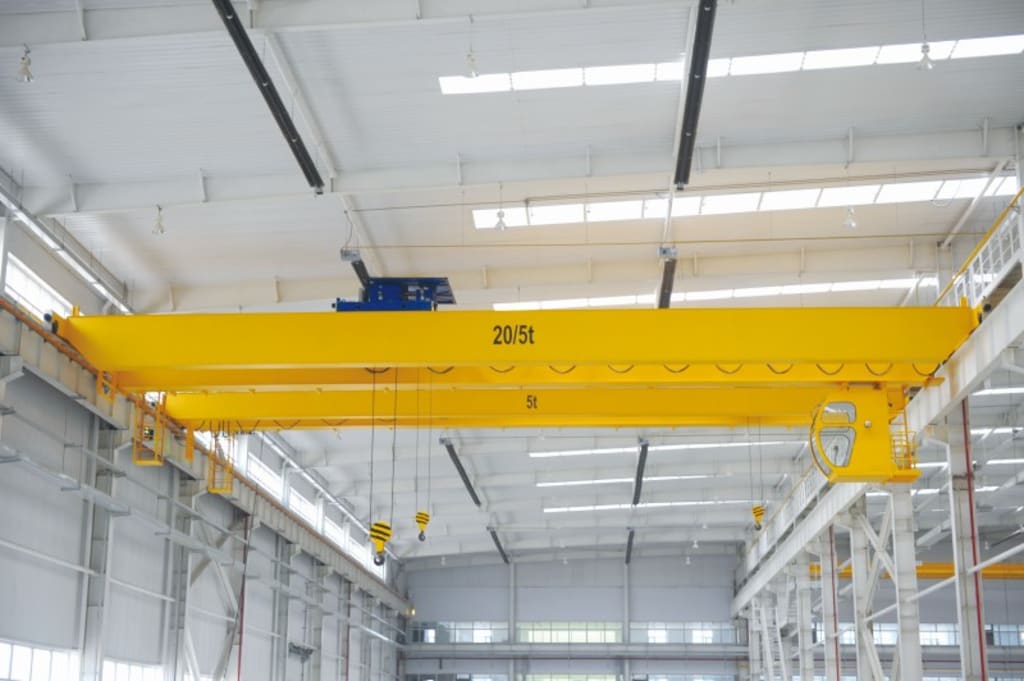
Electric Overhead Traveling (EOT) cranes are crucial for lifting and transporting heavy loads in industries ranging from manufacturing to logistics. As technology advances, EOT cranes have evolved significantly, incorporating new features and systems designed to enhance performance, safety, and efficiency. However, these technological upgrades can also impact the cost of EOT cranes. Understanding how technology affects crane prices is essential for making informed purchasing decisions and maximizing the value of your investment. This article explores the relationship between technology upgrades and EOT crane prices, highlighting the benefits and considerations associated with modern crane technologies.
The Evolution of EOT Crane Technology
The design and functionality of EOT cranes have advanced considerably over the years. Early models were relatively simple, with basic mechanical systems for lifting and moving loads. Modern EOT cranes, however, integrate sophisticated technology that improves precision, automation, and safety.
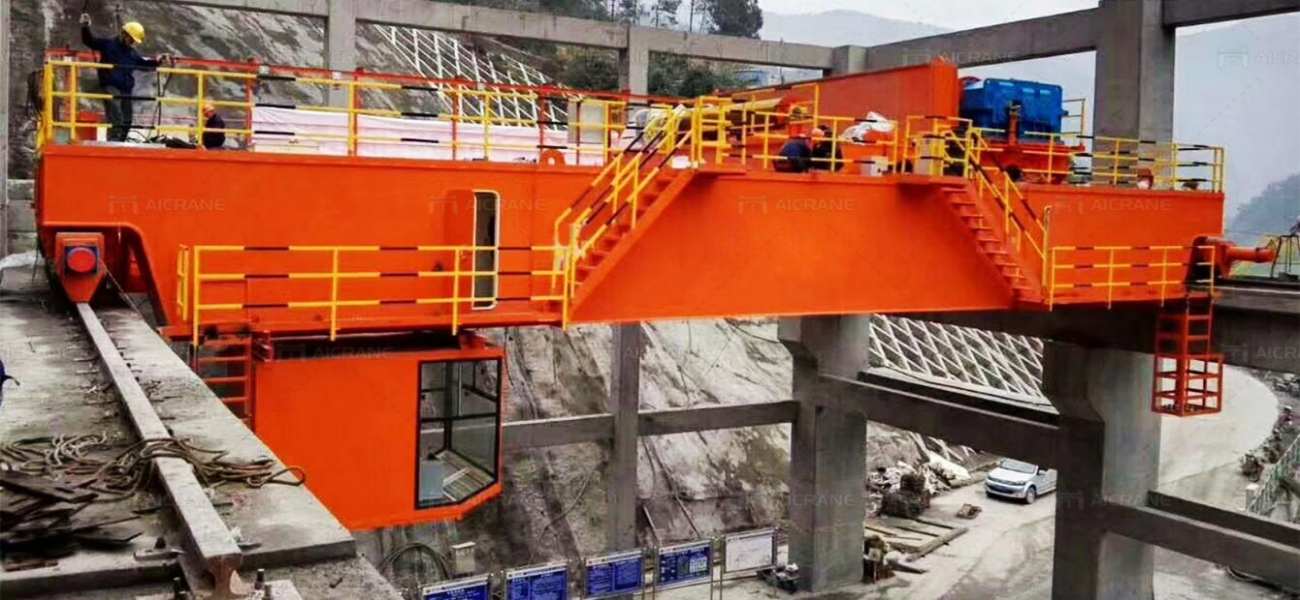
Some key technological upgrades in EOT cranes include:
Advanced Control Systems: Modern EOT cranes are equipped with advanced control systems that offer greater precision and ease of operation. These systems often include programmable logic controllers (PLCs) and touchscreen interfaces that allow operators to control crane functions with greater accuracy. Additionally, some cranes feature remote control capabilities, enabling operators to manage crane operations from a distance.
Automation and Smart Technology: Automation has become a significant trend in EOT crane technology. Automated cranes can perform repetitive tasks with minimal human intervention, increasing productivity and reducing labor costs. Smart technology, such as sensors and data analytics, helps monitor crane performance in real-time and predict maintenance needs, leading to fewer breakdowns and improved efficiency.
Enhanced Safety Features: Safety is a top priority in crane operations, and technological upgrades have introduced various safety features. These include load monitoring systems, collision avoidance technology, and advanced braking systems. Such features help prevent accidents and ensure that cranes operate within safe parameters.
Energy Efficiency: Modern EOT cranes are designed with energy efficiency in mind. Energy-saving technologies, such as variable frequency drives (VFDs) and regenerative braking systems, reduce power consumption and operational costs. These technologies contribute to a crane's overall efficiency and sustainability. Aicrane is committed to offering quality and reliable crane equipment with reasonable prices, and you can get a right solution from Aicrane by contacting the professional team.
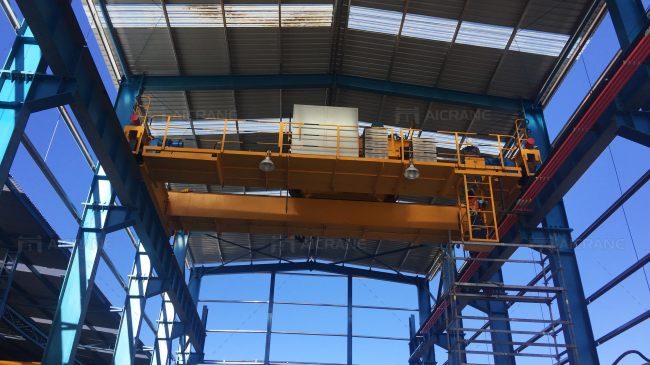
Impact of Technology on EOT Crane Prices
The integration of advanced technologies into EOT cranes naturally affects their price. Several factors contribute to the cost implications of technology upgrades:
Initial Investment: Advanced control systems, automation, and safety features typically involve higher initial costs. The integration of these technologies requires additional components, software, and engineering expertise, which can increase the purchase price of the crane. Businesses must weigh these upfront costs against the long-term benefits of improved performance and safety.
Maintenance and Support: Technologically advanced cranes may require specialized maintenance and support services. While modern technologies can reduce the frequency of breakdowns and maintenance needs, the complexity of the systems may necessitate the involvement of trained technicians. This can lead to higher maintenance costs compared to simpler, older models.
Return on Investment (ROI): Although technology upgrades can increase the initial cost of an EOT crane, they often lead to significant long-term savings. Improved efficiency, reduced downtime, and lower energy consumption contribute to a favorable ROI. Businesses that invest in modern technology may experience higher productivity and operational cost savings, which can offset the initial investment.
Customization and Features: Customizing an EOT crane with specific technological features tailored to industry needs can also impact the price. For example, a crane equipped with specialized load monitoring systems or automation tailored for a particular application may cost more than a standard model. The added cost of customization should be considered in relation to the potential benefits for the business.
Benefits of Technological Upgrades
Investing in EOT cranes with advanced technology offers several benefits that can justify the higher initial cost:
Increased Productivity: Automation and advanced control systems enhance the efficiency of crane operations. Cranes can perform tasks more quickly and accurately, leading to increased throughput and reduced cycle times. This boost in productivity can result in higher output and improved operational efficiency.
Enhanced Safety: Advanced safety features reduce the risk of accidents and ensure that cranes operate within safe parameters. Load monitoring systems and collision avoidance technology help prevent incidents, protecting both personnel and equipment. A safer work environment can lead to fewer disruptions and lower insurance costs.
Energy Savings: Energy-efficient technologies reduce power consumption and operational costs. Variable frequency drives and regenerative braking systems contribute to lower energy bills and support sustainability goals. These savings can accumulate over time, providing a return on investment.
Reduced Downtime: Real-time monitoring and predictive maintenance capabilities help identify potential issues before they lead to breakdowns. This proactive approach to maintenance minimizes downtime and ensures that the crane remains operational, leading to fewer disruptions in production.
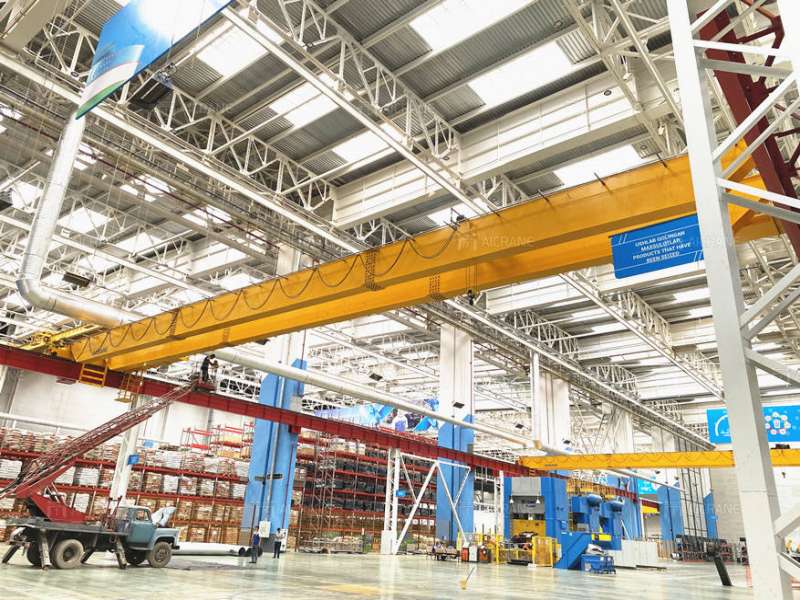
Considerations When Evaluating Technology Upgrades
When evaluating technology upgrades for EOT cranes, businesses should consider the following:
Cost-Benefit Analysis: Assess the potential benefits of advanced technology against the associated costs. Consider factors such as increased productivity, energy savings, and enhanced safety to determine whether the investment aligns with your business goals.
Future Needs: Evaluate how technology upgrades align with your future operational needs. Choose technologies that offer scalability and adaptability to accommodate evolving requirements and growth.
Vendor Support: Ensure that the crane manufacturer or supplier provides adequate support and training for the new technologies. Proper support is crucial for maximizing the benefits of advanced systems and addressing any issues that may arise.
Conclusion
Technology upgrades in EOT cranes have a significant impact on their prices, with advanced control systems, automation, and safety features contributing to higher initial costs. However, these upgrades offer substantial benefits, including increased productivity, enhanced safety, energy savings, and reduced downtime. By carefully evaluating the cost-benefit relationship and considering future needs, businesses can make informed decisions about investing in technologically advanced EOT cranes. Ultimately, the right technology upgrades can enhance crane performance, improve operational efficiency, and provide a favorable return on investment.
About the Creator
Aicrane Group
Aicrane is a professional fabrication and trade integration enterprise in Overhead Crane, Gantry Crane, Rubber Tire Gantry Crane, Boat Lift, Steel Structure Workshop, Construction Winch, Marine Winch,etc.
Enjoyed the story? Support the Creator.
Subscribe for free to receive all their stories in your feed.
Comments