
Technical Specification Decisions Determine True Lifecycle Cost of Asphalt Plant Investment
How do the diverse technical specifications of modern asphalt mixing plants significantly influence the total asphalt plant cost?

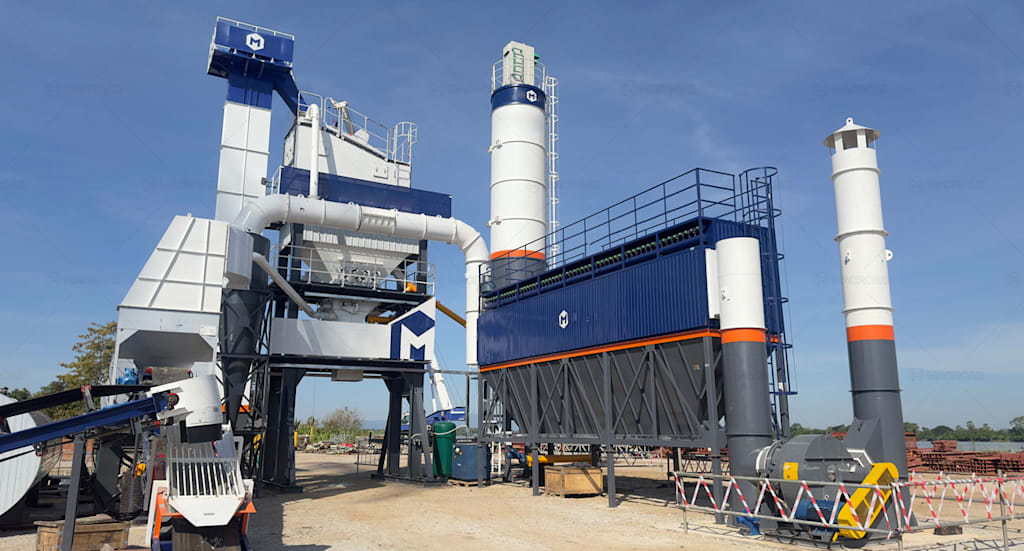
For procurement officers evaluating capital deployment in 2026, the initial purchase price comparison between asphalt mixing plants configurations captures only the first year of a ten-year cost relationship whose total asphalt plant cost is determined primarily by burner efficiency trajectories, dust collection maintenance demands, and automated control system overhead reduction — variables that premium specification decisions influence across every production hour of the facility's operational life rather than at the procurement event alone.
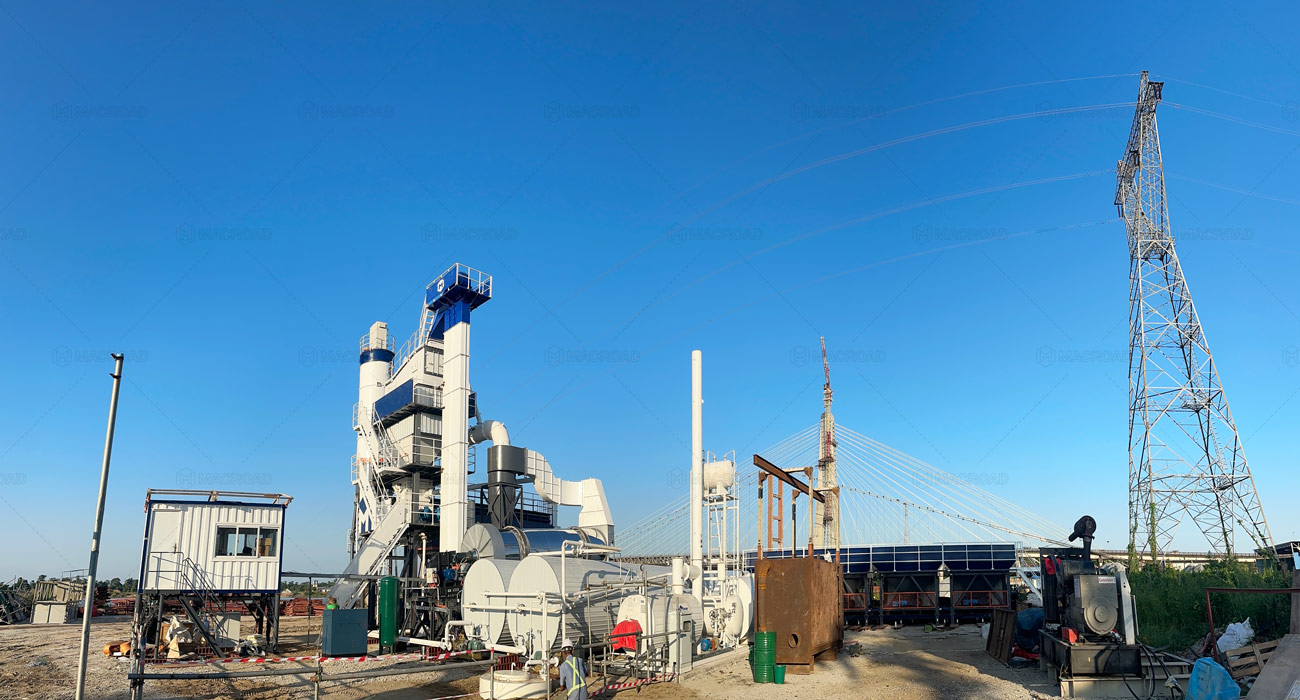
High-Efficiency Burner Systems and Ten-Year Fuel Cost Trajectories
The burner specification decision embedded in asphalt mixing plants procurement carries greater ten-year asphalt plant cost significance than any other single component choice — fuel consumption representing the largest recurring operational expenditure that compounds across cumulative production tonnage into absolute cost differentials that dwarf initial specification premiums. High-efficiency burner systems with modulating combustion control and oxygen trim feedback maintain thermal efficiency across the aggregate moisture variation and production rate fluctuation that real operating conditions impose — standard fixed-output burners compensate for these variables through fuel rate increases that accumulate into systematic overconsumption invisible in per-shift accounting but substantial across annual production volumes.
Specifically, the turndown ratio of premium burner systems in asphalt mixing plants determines fuel efficiency during partial-load operation — the production condition that characterizes a significant proportion of actual operating time across contract pipelines that fluctuate between peak expressway production and lower-volume maintenance work. Wide turndown capability maintains combustion efficiency across this output range, while standard burners operating below their efficiency band generate fuel waste that procurement officers focused on initial asphalt plant cost comparisons consistently fail to incorporate into total investment modeling.
Ten-year fuel cost projection using documented efficiency differential data between premium and standard burner specifications consistently demonstrates that the burner upgrade premium recovers within the first two to three production years — establishing a seven to eight year period of pure cost advantage that makes high-efficiency burner specification one of the most financially defensible premium investments available within asphalt mixing plants procurement decisions.
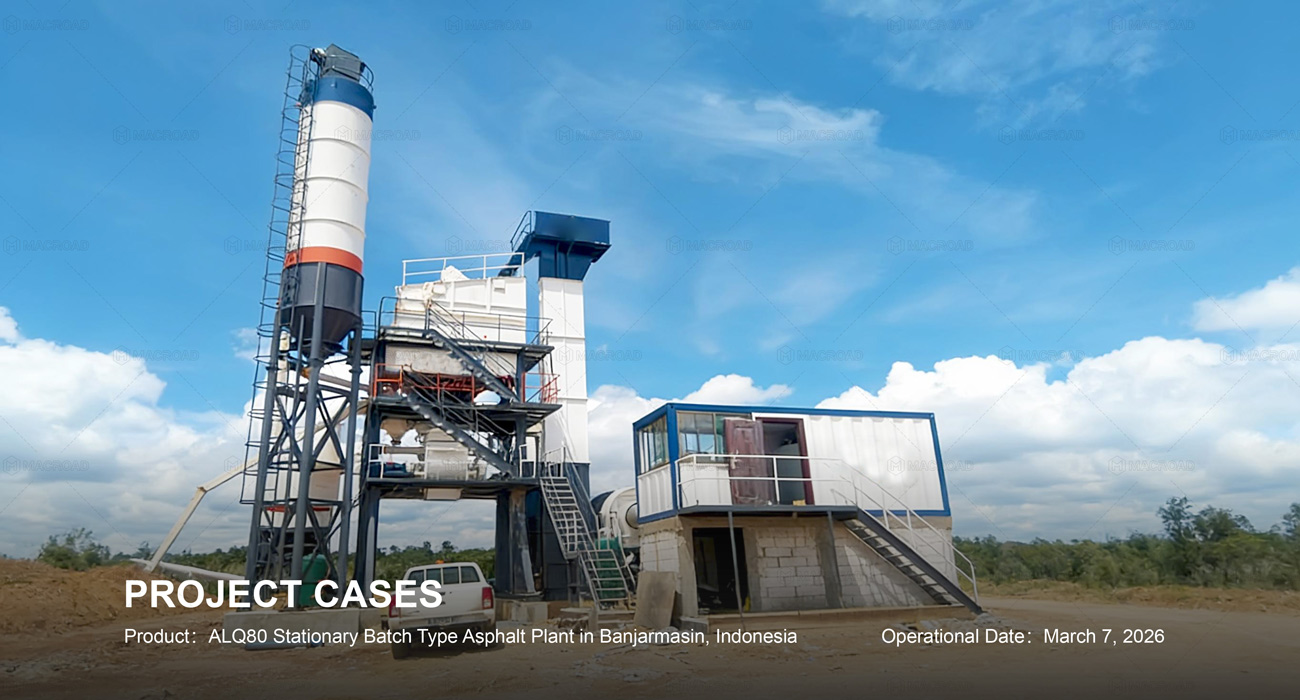
Multi-Stage Dust Collection and Maintenance Overhead Reduction
Multi-stage dust collection systems in premium asphalt mixing plants configurations — cyclone pre-separation followed by pulse-jet baghouse filtration — reduce maintenance overhead through two compounding mechanisms that single-stage systems cannot replicate across ten-year operational horizons. Primary cyclone separation removes bulk particulate loading from the exhaust stream before it reaches baghouse filter media, extending filter bag service life substantially beyond the intervals achievable when unprotected media absorbs the full particulate burden from aggregate drying operations.
The asphalt plant cost implications of filter media service life extension compound across the replacement frequency differential between single and multi-stage systems — each avoided filter replacement event eliminates parts cost, labor hours, and production downtime that maintenance scheduling must accommodate. For asphalt mixing plants operating in high-dust aggregate environments where fine particulate loading accelerates filter media degradation, this service life extension generates maintenance cost reductions that procurement officers should quantify explicitly against the multi-stage system specification premium during capital evaluation.
Pulse-jet cleaning mechanisms that maintain filter efficiency through continuous in-operation regeneration eliminate the production interruptions that reverse-air cleaning systems require — preserving production hours that scheduled cleaning downtime would otherwise consume across the ten-year operational period. Procurement officers modeling true asphalt plant cost across a decade should incorporate avoided downtime value alongside direct maintenance expenditure reduction when evaluating multi-stage dust collection investment.
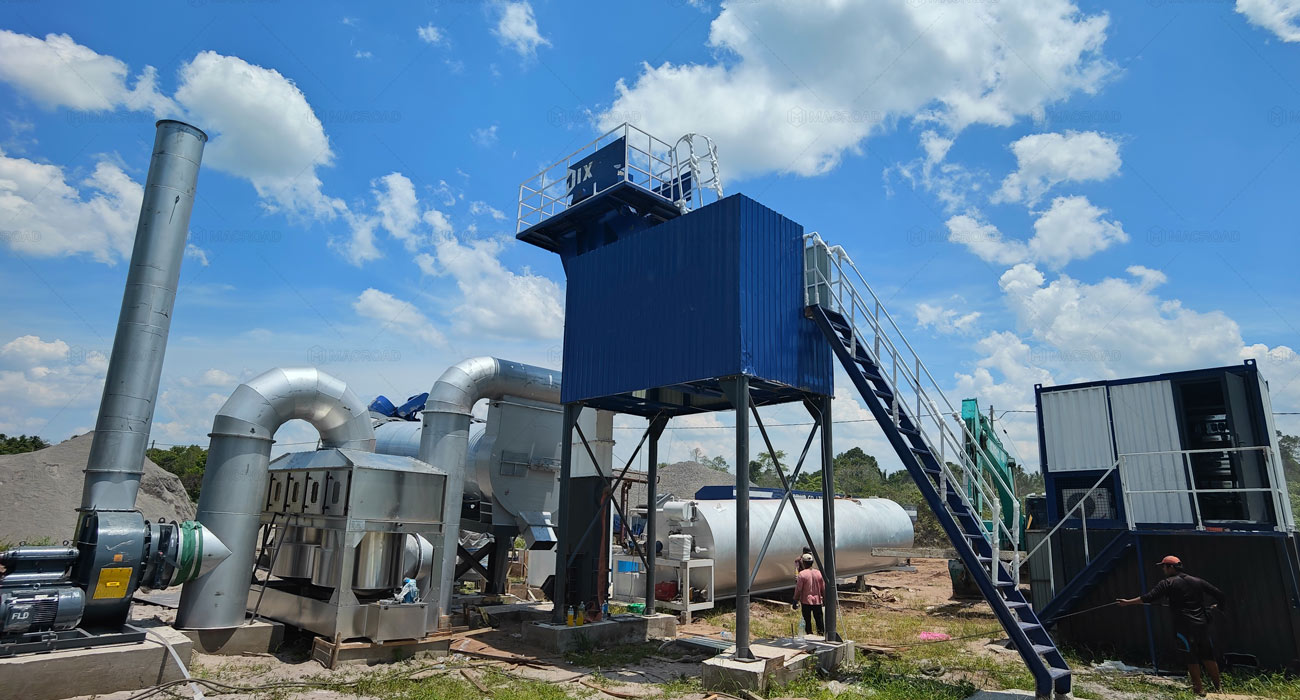
Automated Control Technology and Long-Term Maintenance Overhead
Automated control technology in modern asphalt mixing plants — PLC-based production management with real-time parameter monitoring, deviation alerting, and predictive maintenance scheduling — reduces long-term maintenance overhead through fault detection that identifies developing mechanical issues before they generate production-stopping failures. The asphalt plant cost reduction this predictive capability delivers operates through failure prevention rather than repair cost reduction — avoiding the secondary damage, emergency parts procurement, and extended downtime that undetected fault progression generates when mechanical deterioration reaches functional failure before intervention occurs.
Automated weighing and batching systems maintain dosing accuracy across operational periods without the manual recalibration interventions that drift-prone mechanical systems require — reducing the labor hours that maintenance schedules allocate to calibration verification while simultaneously preserving the mix quality consistency that specification compliance and rejected load avoidance depend upon. Procurement officers evaluating asphalt mixing plants automation premium against ten-year asphalt plant cost modeling should incorporate avoided rejected load cost alongside direct maintenance labor reduction.
Conclusion
The ten-year asphalt plant cost of asphalt mixing plants is determined by burner efficiency trajectories, dust collection maintenance demands, and automated control overhead reduction far more substantially than initial purchase price differentials suggest. High-efficiency burners recover specification premiums through fuel savings within early production years. Multi-stage dust collection extends filter service life and eliminates production downtime. Automated control technology prevents failure-driven cost events across the operational horizon. For procurement officers in 2026, lifecycle cost modeling that incorporates these compounding advantages consistently demonstrates that premium technical specification delivers superior total investment value over the ten-year period that infrastructure facility economics actually demand.
About the Creator
Macroad Asphalt Plant
Macroad, a global leading manufacturer in asphalt mixing plants, offers a wide range of specifications to meet diverse project needs. Its high-quality, efficient equipment is widely applied in road construction.
Enjoyed the story? Support the Creator.
Subscribe for free to receive all their stories in your feed.
Comments
There are no comments for this story
Be the first to respond and start the conversation.