social media
The tech industry makes the social media world go 'round; explore the technologies that keep us all connected.
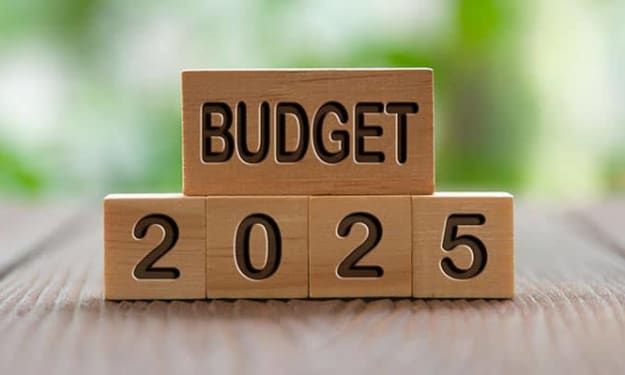
Budget 2025: Key Terms You Must Know
The annual budget is one of the most anticipated financial events, shaping a country’s economic policies, taxation, and overall financial landscape. The Budget 2025 introduces new policies, tax reforms, and fiscal strategies that influence businesses, individuals, and investors alike. To better understand its implications, it's crucial to familiarize yourself with key budgetary terms. In this blog, we’ll break down the most important financial terms you need to know to make sense of Budget 2025. 1. Fiscal Deficit The fiscal deficit is the difference between the government's total expenditure and its total revenue (excluding borrowings). A high fiscal deficit indicates that the government is spending more than it earns, which may lead to borrowing or increased taxation to balance the budget. Why it matters? A rising fiscal deficit can affect inflation, interest rates, and overall economic growth. 2. Revenue Deficit The revenue deficit occurs when the government’s total revenue receipts are lower than its total revenue expenditure. This means the government is spending more on operational expenses than it earns through taxes and other sources. Why it matters? A high revenue deficit signals inefficient public finances and can lead to higher borrowings. 3. Capital Expenditure Capital expenditure (CapEx) refers to government spending on infrastructure, development projects, and long-term investments such as roads, bridges, railways, and digital infrastructure. Why it matters? Increased capital expenditure boosts economic growth by creating jobs and improving public services. 4. Direct and Indirect Taxes Direct Taxes: These are taxes imposed directly on individuals and businesses, such as income tax and corporate tax. Indirect Taxes: These are levied on goods and services, such as GST (Goods and Services Tax) and excise duty. Why it matters? Changes in direct and indirect taxes can impact personal savings, corporate profits, and consumer spending. 5. Inflation and Consumer Price Index (CPI) Inflation refers to the rate at which the general level of prices for goods and services rises, reducing purchasing power. The Consumer Price Index (CPI) is used to measure inflation by tracking the price changes of essential goods and services. Why it matters? High inflation reduces the value of money and affects the cost of living. Budget policies aim to control inflation through fiscal measures. 6. Subsidies Subsidies are financial support provided by the government to sectors like agriculture, energy, and education to make essential goods and services more affordable. Common subsidies include fuel subsidies, food subsidies, and fertilizer subsidies. Why it matters? While subsidies help lower costs for consumers, excessive subsidies can strain government finances. 7. Disinvestment Disinvestment refers to the government's strategy of selling its stake in public sector enterprises (PSUs) to raise funds. It is a tool used to reduce fiscal deficits and encourage private sector participation. Why it matters? Disinvestment can improve efficiency in public sector enterprises and reduce the financial burden on the government. 8. Public Debt and Borrowings Public debt consists of money borrowed by the government to finance expenditures when revenues are insufficient. Borrowings can be domestic (from banks and the public) or international (from foreign institutions). Why it matters? Excessive public debt can lead to higher interest payments and economic instability. 9. GST Reforms Goods and Services Tax (GST) reforms aim to simplify tax structures, reduce tax evasion, and enhance tax compliance. Budget 2025 may introduce new GST rates, exemptions, or procedural changes. Why it matters? Any change in GST rates affects business costs, product pricing, and overall market dynamics. 10. Income Tax Slabs and Deductions Income tax slabs define the tax rates applicable to different income groups. The budget may introduce changes in tax slabs, standard deductions, exemptions, or rebates. Why it matters? Changes in tax slabs can impact disposable income, savings, and overall consumer spending. 11. Digital Economy and Fintech Initiatives With the rise of digital transactions, governments are focusing on fintech innovations, digital payments, and cryptocurrency regulations. The budget may allocate funds to cybersecurity, financial inclusion, and digital banking initiatives. Why it matters? A strong digital economy promotes transparency, efficiency, and financial accessibility. 12. Green Economy and Climate Finance Governments worldwide are increasing their focus on sustainability. Budget 2025 may introduce policies supporting renewable energy, carbon credits, electric vehicles (EVs), and climate adaptation funds. Why it matters? Investments in a green economy drive sustainable development and reduce environmental damage. Conclusion Understanding these key budgetary terms will help you navigate the financial landscape of Budget 2025 with confidence. Whether you're an individual taxpayer, a business owner, or an investor, keeping track of budget changes can help you make informed financial decisions. Stay tuned for in-depth analysis and updates on how Budget 2025 will shape the economy and affect your financial future!
By INFO INSIDER 2 years ago in 01
Success Stories: Real Patients Who Got Dental Implants in Riverside
Dental implants have transformed countless lives by restoring smiles, confidence, and functionality. In Riverside, many individuals have embraced this cutting-edge dental procedure to regain the quality of life they once thought was lost. This article delves into inspiring success stories of real patients who chose dental implants in Riverside and the remarkable outcomes they achieved. By exploring their journeys, we aim to provide valuable insights for anyone considering this life-changing solution.
By Seo Musarrat2 years ago in 01
10 New Business Ideas With $1M Potential. AI-Generated.
Only half of all small businesses survive past the 5 year mark and under a third of them survive past the 10 year mark. How can you be in the top 30%? The key is a sustainable and profitable business idea that will carry you through the ups and downs of the economy.
By AN Solution2 years ago in 01
10 Proven Strategies Used by Local SEO Services to Attract More Customers
In today’s competitive market, businesses are constantly searching for effective ways to attract and retain customers. Local SEO has emerged as a powerful tool for driving targeted traffic and improving business visibility. Whether you’re a small business or an established enterprise, implementing the right strategies can make all the difference.
By hasan 28472 years ago in 01
Secure Your Seat Through NRI Quota Admissions – Edusquare Consulting
With its world-class educational institutions and diverse academic opportunities, India has become a hub for students from across the globe. Among the various admission pathways available, the Non-Resident Indian (NRI) quota holds a special place. Edusquare Consulting, a leading education consultancy, specializes in guiding students through the intricacies of the NRI quota admission process in India, ensuring a seamless and stress-free experience.
By riteshtomar2 years ago in 01