photography
Explore the latest and greatest in digital imagery; all about new camera technologies, photo-editing software, CGI photography, and online image-sharing.
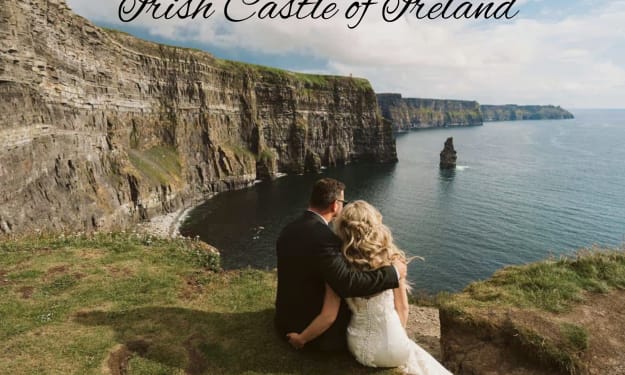
Castles of Ireland: Experience the Charm and History of Iconic Sites
Ireland's castles are a prime example of how myths and tales are intertwined into the environment and how history comes to life there. Ireland's castles, which range from magnificent fortifications that once housed noble families to ancient ruins tucked away on cliff faces, are windows into the country's fascinating past. Every stone has a backstory here, and every turret has a mystery just waiting to be revealed. For those who are interested in history, romance, or just want to have a unique experience, Ireland's castles provide a unique adventure.
By Twin Flames elopements2 years ago in 01
Papua New Guinea:
Papua New Guinea is a culturally rich and diverse country, home to over 800 languages and hundreds of distinct ethnic groups. One of its unique regions is Kerema, the capital of Gulf Province, located on the southern coast. Kerema and the Gulf Province are known for their lush rainforests, rivers, and coastal beauty, which have significantly influenced the lives, traditions, and spiritual beliefs of the people in this area. Let’s delve into some of the cultural practices, art forms, festivals, and traditional knowledge that make the Gulf Province, particularly Kerema, unique. 1. Languages and Ethnic Groups In Gulf Province, the local languages are as varied as the geography itself, with people speaking multiple dialects. The Toaripi, Elema, and Kerewo are some of the prominent ethnic groups within the region, each with its own languages and dialects, oral histories, and traditional practices. While Tok Pisin and English are commonly spoken across the country, most people in Kerema use their native languages for everyday communication, maintaining a strong connection to their cultural roots. 2. Oral Traditions and Storytelling Storytelling holds an essential place in Kerema’s cultural fabric. Elders pass down stories to younger generations through oral traditions, sharing history, legends, and cultural values. These stories often feature local heroes, mythological creatures, and moral lessons. Some tales revolve around the spirits of the rainforest and rivers, which are believed to protect the land and its people. Storytelling sessions, often held during gatherings, serve as both education and entertainment, creating a collective sense of identity among the people of Gulf Province. 3. Art and Craft The people of Kerema are known for their distinctive art forms, which are tied deeply to their environment. Wood carving, particularly of spirit boards known as "Gope" boards, is a traditional art form in the Gulf Province. Gope boards are intricately carved and painted with symbols representing ancestral spirits and protectors, and they are often kept in houses to safeguard the family. Some families believe that these boards connect them to their ancestors, giving them guidance and protection. Tattooing is another traditional art form for Gulf Province women, especially among the Elema people. These tattoos are not just decorative but also serve as indicators of social status, family lineage, and rites of passage. Each design has symbolic meaning, and the process is often accompanied by ritual songs and blessings. 4. Dance and Music Traditional dances and music play a central role in the social life of Kerema’s communities, especially during ceremonial events and festivals. One prominent form of dance is the "sing-sing," where participants dress in colorful costumes and body paint, creating a vibrant display of the community's unity. The costumes often include headdresses, made from feathers, and shells, and the dances are usually accompanied by drums and chanting. The themes of these sing-sings vary, ranging from harvest celebrations to initiations and spiritual ceremonies. Drumming, in particular, is a vital aspect of music in Kerema. Traditional drums, carved from wood and decorated with intricate designs, are used to maintain the rhythm in dances and songs, connecting the performers with their spiritual beliefs. These performances often represent the relationship between the people and their land, celebrating the life force they believe exists in nature. 5. Spiritual Beliefs and Practices In Kerema, the natural world holds deep spiritual significance. Rivers, trees, and animals are often considered as having their own spirit, and it is common to seek the blessing of these natural elements before significant events or decisions. Ancestor worship is another essential element, with people believing that their deceased family members continue to influence and protect their lives. This connection to ancestors is especially visible in rituals, where family members might dedicate offerings or perform ceremonies to honor and seek guidance from their forebears. The Kerema people practice various forms of divination and healing. Traditional healers, or shamans, are respected figures who often serve as intermediaries between the human and spiritual worlds. They perform healing rituals using local herbs and plant remedies, many of which are passed down through generations, showcasing the community's extensive knowledge of the medicinal properties found within their natural environment. 6. Festivals and Community Gatherings Festivals in Gulf Province, including in Kerema, are important times for cultural expression and community bonding. Some of the major events include annual harvest festivals, which are opportunities to thank the spirits for their blessings and to pray for future abundance. During these celebrations, communities come together to enjoy feasts, share stories, and engage in traditional dances and music. One notable event is the Hiri Moale Festival, celebrated by the Gulf and neighboring Central Provinces. Although it primarily centers around the Motuan people, this festival is significant to the Gulf communities as it commemorates traditional trading routes. The festival includes reenactments of the ancient Hiri trade journeys, where the Gulf people traded their pottery and goods for sago with other coastal communities. This historical event highlights the close ties and interdependence among Papua New Guinea’s coastal regions. 7. Agricultural Practices and Traditional Knowledge The geography of Gulf Province, with its rivers and fertile lands, supports a rich tradition of agriculture. Sago, a staple food derived from the sago palm, is harvested by both men and women. This labor-intensive process is often done in groups and is accompanied by singing and storytelling, making it a communal activity. Fishing is another significant part of life in Kerema. Men typically use traditional canoes to fish in the rivers and coastal waters, employing techniques passed down through generations. Additionally, people in this area have an intricate understanding of the seasons and weather, which guides their farming and fishing activities. This traditional knowledge, accumulated over centuries, is invaluable for the community’s survival and is carefully preserved and passed down. 8. Modern Influences and Cultural Preservation While Kerema's traditional culture is strong, the region, like much of Papua New Guinea, is also influenced by modern factors, including technology and education. Schools and educational programs now include curricula that encourage the youth to respect and learn their heritage, ensuring that these traditions persist alongside modern life. There are efforts to document and archive traditional stories, languages, and rituals, helping to preserve these elements for future generations. Government and non-governmental organizations are also working to protect traditional lands and support eco-friendly practices that respect the land and culture. Conclusion The culture and traditions of Kerema in Gulf Province are a testament to the resilience and beauty of Papua New Guinea’s cultural heritage. From the art of Gope boards and tattoos to the lively sing-sing dances, the people of Kerema continue to honor their ancestors, celebrate their land, and pass down valuable knowledge. This unique blend of traditional beliefs and sustainable practices reflects a deep connection with nature, a reverence for the past, and an awareness of the need to preserve these practices for the future. In Kerema, the past lives vibrantly in the present, inspiring a generation to carry forward the spirit of Papua New Guinea’s rich heritage.
By Grace Guise2 years ago in 01
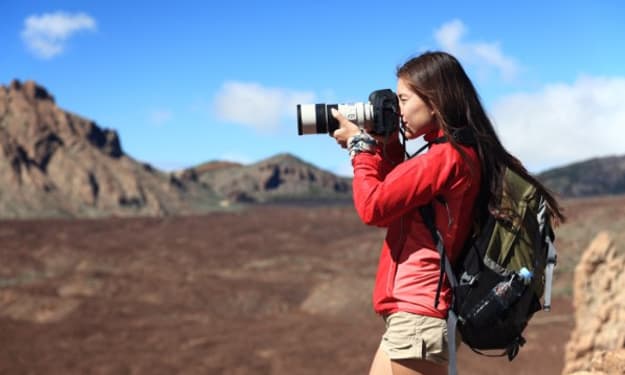
Best Studio Backgrounds for Different Photo Styles
When it comes to studio photography, selecting the right background can greatly impact the final result. Every style of photography—whether it’s portrait, product, or fashion—benefits from backgrounds that complement the subject and create the desired atmosphere. From minimalist backdrops for clean shots to textured setups for dramatic looks, the right studio background sets the tone and makes each shot look professional.
By Logan Shaw2 years ago in 01
The East New Britain - Tolai Culture
--- Papua New Guinea’s Tolai People and Diverse Cultural Heritage Papua New Guinea (PNG) is home to an array of unique cultural groups, each with distinct languages, customs, and artistic traditions. Among these groups, the Tolai people are well-known inhabitants of East New Britain Province, particularly in the Gazelle Peninsula around Kokopo and Rabaul. With rich traditions in music, dance, and community rituals, the Tolai culture exemplifies the diversity and vibrancy of PNG’s heritage. Alongside the Tolai customs, other provinces in PNG also bring their own unique dances and customs to the cultural mosaic. The Tolai People and Language The Tolai people speak Kuanua, one of the indigenous languages of East New Britain. Known for their strong sense of community, the Tolai historically practiced a traditional system of wealth-sharing and mutual support. This system, based around shell money called tabu, continues to play an important role in their social structure, as it is used in ceremonies, marriages, and various traditional transactions. Tolai Traditional Dance and Music Tolai culture is deeply connected to their artistic traditions, particularly dance and music. The Tolai are known for their masked dances, called tubuan and dukduk, which represent spiritual beings. These dances are performed during initiation rituals, funerals, and celebrations and hold strong symbolic significance within the community. The tubuan dance features male dancers wearing distinctive conical masks that cover their heads and chests, with designs painted to symbolize various ancestral spirits. The dancers’ movements are slow, controlled, and respectful, often accompanied by drumming and singing that emphasize the solemnity of the event. Dukduk dances, on the other hand, involve masked figures with leaf-covered bodies that embody powerful spirits believed to offer guidance and protection. These dances connect the Tolai people to their ancestral roots and cultural identity. Another key aspect of Tolai culture is the garamut, a large slit drum carved from logs that produces resonant, rhythmic beats used to accompany rituals and announce important community events. The sounds of the garamut can be heard from far away, helping to gather people together and signal the start of ceremonies. Customary Practices Among the Tolai Tolai customs reflect a deep respect for community bonds and relationships. One example is the singsing, a gathering where traditional music, dance, and feasting take place to honor life events or mark communal agreements. Singsings often feature performers dressed in traditional attire, with vibrant facial paint, headdresses, and feathers that reflect the diversity of Papua New Guinea’s traditional wear. Marriage customs are also an integral part of Tolai society, often requiring negotiations between families and the exchange of tabu to formalize the union. The community gathers to witness and celebrate the union, reinforcing the importance of familial alliances within the social structure. Traditional Dances from Other Papua New Guinea Provinces Each of Papua New Guinea’s 22 provinces has unique dance traditions that celebrate history, land, and ancestral ties. These dances serve as a crucial way to preserve indigenous cultures and are often performed during cultural festivals or national celebrations. Here are some notable examples: 1. The Asaro Mudmen Dance (Eastern Highlands): The Asaro Mudmen of the Eastern Highlands Province perform a distinctive dance while wearing mud masks and white clay paint to appear ghostly and intimidating. Legend has it that the Asaro warriors used this appearance to frighten their enemies. The dance involves slow, deliberate movements, accompanied by haunting music, and showcases the artistic skill of the Asaro people in mask-making. 2. The Baining Fire Dance (East New Britain): Another famous dance from East New Britain, the Baining fire dance is performed by the Baining people and involves dancers wearing elaborate masks made from bark cloth. The dance is performed at night around a fire, with dancers leaping and moving through the flames, creating a dramatic and awe-inspiring performance. This dance is typically performed to celebrate harvests or rites of passage and is one of the most visually striking dances in PNG. 3. The Huli Wigmen Dance (Hela Province): The Huli people from Hela Province are renowned for their elaborate headdresses, known as “wigmen,” which they create from their own hair. The Huli Wigmen perform dances adorned with these wigs, vibrant face paint, and body decorations. Their dances are expressive and accompanied by rhythmic chants, meant to honor their warrior heritage and demonstrate their pride and strength. 4. The Manus Province Canoe Dance: In Manus Province, people perform the canoe dance to celebrate their maritime culture and connection to the ocean. Dancers simulate rowing motions to mimic their traditional seafaring lifestyle and bring awareness to the significance of the sea in their livelihoods. The Significance of Cultural Preservation in Papua New Guinea Papua New Guinea’s cultural diversity is one of the richest in the world, with over 800 languages spoken and countless tribal practices preserved through oral traditions. The traditional dances and customs, such as those practiced by the Tolai and other indigenous groups, play a crucial role in strengthening social bonds, maintaining historical knowledge, and imparting respect for ancestral traditions to younger generations. These expressions of culture are celebrated during major events like the National Mask Festival and the Goroka Show, which gather tribes from across the country to share their heritage. The Tolai people, along with other cultural groups in PNG, continue to protect and share their traditions, allowing their unique identities to flourish amid modern influences. By celebrating these rich cultural heritages, Papua New Guinea preserves its legacy for future generations and fosters unity within diversity.
By Grace Guise2 years ago in 01
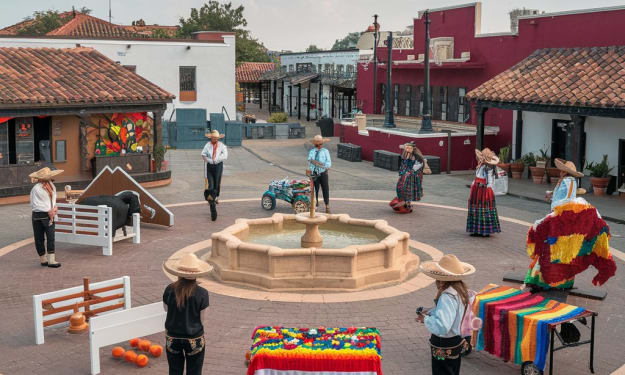
10 Customary Mexican Games
Mexico is a country wealthy in culture and custom, and its games are no exemption. These games, went down through ages, offer a brief look into the nation's set of experiences and legacy. The following are 10 conventional Mexican games that have caught the hearts of many:
By money tactics2 years ago in 01
The Evolution of Fashion and How Jaipur Free Classified Ads Are Transforming the Industry
The Evolution of Fashion and How Jaipur Free Classified Ads Are Transforming the Industry Fashion is a dynamic and ever-changing industry, reflecting cultural shifts, technological advances, and personal expressions. From traditional attire to modern trends, fashion has become a powerful global phenomenon. But in recent years, an exciting revolution has emerged—buyers and sellers are now connecting through digital marketplaces. Platforms such as Jaipur Free Classified Ads have become instrumental in promoting both local and global fashion, offering new ways to explore styles, connect with creators, and access affordable options.
By Classimonk2 years ago in 01
A Seasonal Trekking Guide to Hampta Pass!
A Seasonal Trekking Guide to Hampta Pass! Hampta Pass Trek is not just another trek; it’s a blend of mystifying landscapes, challenging terrains, and ever-changing weather patterns. From lush green valleys to barren landscapes, every season in Hampta unveils a unique aspect of its beauty. Here’s your seasonal guide to Hampta Trekking, ensuring you're ready to embark on this adventurous journey no matter when you plan to go!
By Adventures2 years ago in 01
Unraveling the Science Behind the Unbreakable Human-Canine Bond: Why Dogs Are Truly Man's Best Friend
Dog owners have long recognized the special bond they share with their dogs. In fact, the relationship between humans and dogs goes beyond simple companionship, stretching into a powerful emotional connection that has existed since the dawn of domestication. But what is the science behind the human-canine bond, and why is it so strong? In this article, we explore the roots of this relationship, the biological mechanisms that contribute to it, and the mutual benefits both dogs and humans enjoy.
By mureed hussain2 years ago in 01