interview
Interviews with visionaries, founders, policymakers and researchers who live at the intersection of technology, business, human behavior and global society.
“ICE Out”: Understanding the Nationwide Protests and Planned General Strike in the United States. AI-Generated.
Across the United States, activists, community groups, and labor advocates are preparing for a coordinated wave of demonstrations known as the “ICE Out” protests, paired with a planned nationwide general strike. The movement reflects rising tensions over immigration enforcement policies and highlights a moment of intense national debate about security, human rights, and government authority. The protests are scheduled for January 30–31, 2026, with organizers urging supporters to refrain from work, school, and shopping in what they describe as a “national blackout.” This approach aims to demonstrate the economic and social influence of collective action while drawing attention to immigration practices that critics argue have become increasingly aggressive. --- The Events That Sparked a Movement Calls for a nationwide strike gained momentum after a series of controversial incidents involving federal immigration agents. Reports indicate that the movement was triggered in part by high-profile killings connected to Immigration and Customs Enforcement (ICE) operations, which intensified public outrage and mobilized grassroots networks. More broadly, the demonstrations emerge amid expanded federal immigration enforcement and mass deportation policies, which have divided public opinion across political and social lines. Earlier protests in cities such as Minneapolis, San Francisco, Boston, and Los Angeles focused on demands for accountability and policy reform, signaling that opposition had already begun to organize before the nationwide call to action. For many participants, the strike represents not just a reaction to isolated events but a response to what they see as a structural shift in immigration policy. --- What Is a General Strike — and Why Now? A general strike typically involves workers across multiple sectors collectively stopping labor to pressure institutions or policymakers. The planned U.S. strike is explicitly positioned as a protest against expanded ICE operations and deportation efforts. Organizers have encouraged Americans to adopt a simple formula: “no work, no school, no shopping.” By disrupting everyday routines, supporters hope to amplify their message beyond traditional demonstrations. According to reports, more than 250 actions across dozens of states are expected, with backing from hundreds of organizations. Some businesses have even considered closing temporarily or donating proceeds to immigrant advocacy groups in solidarity. The scale suggests a carefully coordinated effort rather than a spontaneous protest, illustrating how modern activism increasingly relies on national networks and digital organization. --- Who Is Organizing the Protests? Student groups, immigrant-rights advocates, labor organizations, and grassroots coalitions have all contributed to the call for action. In some cases, university communities have taken leadership roles, while broader alliances are planning demonstrations in all 50 states and Washington, D.C. Campaigns linked to the movement include initiatives designed to reduce institutional support for enforcement agencies, such as boycotts targeting corporations believed to cooperate with ICE operations. These strategies reflect a shift from purely symbolic protest toward economic pressure — a tactic historically associated with major social movements. --- A Continuation of Earlier Labor Actions The national strike did not emerge in isolation. Just weeks earlier, Minnesota witnessed a large-scale labor protest described as the first general strike in the United States in roughly 80 years, driven by outrage over immigration enforcement and demands for accountability. That strike united labor unions, community organizations, and faith leaders, demonstrating how immigration policy can intersect with worker rights and local governance. Observers note that when local protests expand into nationwide campaigns, they often signal a deeper societal debate rather than a temporary political flashpoint. --- Supporters’ Perspective Participants say the strike is intended to show solidarity with immigrant communities and to call for reforms ranging from oversight to structural change within enforcement agencies. Some activists emphasize targeting large corporate entities rather than small local businesses, suggesting an effort to maintain community relationships while still applying pressure. For supporters, the demonstrations represent civic engagement — a constitutional form of expression designed to influence public policy. --- Critics and Concerns Not everyone views the planned shutdown as constructive. Critics worry that widespread work stoppages could disrupt local economies or deepen political polarization. Others question whether a single day of action can produce lasting legislative change. Government officials have also faced the challenge of balancing public safety with the right to protest, especially after earlier demonstrations saw arrests and confrontations between protesters and law enforcement. These concerns highlight a recurring tension in democratic societies: how to accommodate dissent while maintaining order. --- The Broader Immigration Debate Immigration has long been one of the most complex issues in American politics. Policies must navigate border security, economic needs, humanitarian obligations, and legal frameworks — often simultaneously. The current protests underscore how enforcement strategies can influence public perception, particularly when incidents gain national visibility. When communities feel directly affected, local grievances can rapidly evolve into national movements. At the same time, immigration agencies argue that enforcement is necessary to uphold federal law, demonstrating the competing priorities policymakers must reconcile. --- Economic and Social Implications If participation reaches the levels organizers hope for, the strike could provide insight into the power of coordinated economic action. Even limited disruptions can shape media narratives, influence corporate behavior, and prompt political responses. However, historians often note that the long-term impact of protests depends less on a single event and more on whether the movement sustains momentum afterward. Already, organizers have hinted at future advocacy efforts, suggesting that the demonstrations may be part of a longer campaign rather than a standalone protest. --- A Defining Moment or a Passing Flashpoint? Whether the “ICE Out” protests become a turning point in U.S. immigration policy remains uncertain. What is clear is that the movement reflects a period of heightened civic participation, where public demonstrations continue to shape national conversations. For some Americans, the strike symbolizes solidarity and reform. For others, it raises questions about governance and economic stability. Yet both interpretations point to the same underlying reality: immigration remains a defining issue of the modern political landscape. As the demonstrations unfold, their true significance will likely be measured not only by turnout but by the dialogue they generate — in legislatures, workplaces, and communities across the country.
By Saboor Brohi 9 months ago in 01
Dr. Collins in The Pitt. AI-Generated.
Medical dramas have long captured audiences with their mix of emotional storytelling and high-pressure decision-making. Among the newer entries in the genre, The Pitt has emerged as a standout series, praised for its realism and layered characters. One figure who quickly drew attention was Dr. Heather Collins, a physician whose professional strength and personal vulnerability made her one of the show’s most memorable presences. As viewers continue asking when does The Pitt come out and how the series evolves across seasons, Dr. Collins’ storyline remains central to understanding the emotional depth that defines the show. Understanding The Pitt The Pitt is an American medical procedural drama created by R. Scott Gemmill. The series follows emergency department staff working through the intense demands of a single 15-hour shift at the fictional Pittsburgh Trauma Medical Center, commonly called “the Pitt.” The show premiered on Max on January 9, 2025, earning strong critical praise for its performances, writing, and realistic portrayal of healthcare workers facing psychological and systemic challenges. Its success led to quick renewals, including a second season that debuted on January 8, 2026, with a third season already confirmed. For viewers still wondering when does The Pitt come out, the answer depends on the season: the original release was in early 2025, while new episodes continue to arrive through ongoing seasonal premieres. Who Is Dr. Collins in The Pitt? Dr. Heather Collins, portrayed by Tracy Ifeachor, appeared as a key doctor during the show’s first season. She worked alongside an ensemble cast that included Noah Wyle and other experienced performers. Collins was written as a compassionate yet disciplined physician—someone capable of maintaining clinical focus while navigating emotionally complex cases. Her character reflected the broader mission of the series: to portray healthcare professionals not as flawless heroes but as individuals balancing responsibility with humanity. Within the emergency department’s relentless pace, Collins often became a stabilizing force, demonstrating empathy toward patients while mentoring colleagues. This combination helped establish her as a character viewers trusted. Why Dr. Collins Resonated With Audiences Medical dramas succeed when they humanize the profession, and Dr. Collins embodied that philosophy. Rather than relying on exaggerated heroics, her storylines frequently explored ethical dilemmas, teamwork, and emotional endurance. Critics and viewers alike noted that The Pitt earned recognition from the medical community for its accuracy and for addressing the psychological realities of post-pandemic healthcare environments. Characters like Collins contributed heavily to that reputation. Her experiences highlighted themes such as professional burnout, personal aspiration, and the emotional cost of caregiving—issues familiar to real-world practitioners. What Happened to Dr. Collins? Recent developments clarified the character’s fate. In Season 2, it is revealed that Dr. Collins no longer works at Pittsburgh Trauma Medical Hospital. She moved to Portland to become an attending physician and pursue adoption while staying closer to family. Her departure was reportedly planned as part of the teaching-hospital narrative structure, where doctors naturally move on in their careers. The storyline also acknowledged her emotional journey from Season 1, which included fertility struggles and the stress of high-stakes medical work. Although the show continues with new character dynamics, her absence has been described as deeply felt—particularly by colleagues who formed close connections with her. A Series Built on Real-Time Intensity One of the defining features of The Pitt is its structure. Each season follows hospital staff through roughly one continuous work shift, with every episode representing about an hour of that period. This format creates urgency and authenticity, immersing viewers in the unpredictable rhythm of emergency medicine. Staff shortages, underfunding, and patient crises all form part of the narrative landscape. Against this backdrop, characters such as Dr. Collins help anchor the story emotionally, ensuring the procedural elements never overshadow the human experience. Awards and Cultural Impact The first season achieved notable recognition, winning multiple awards at the Primetime Emmy Awards and being listed among the American Film Institute’s top television programs of 2025. Such achievements positioned the series as more than entertainment—it became a commentary on modern healthcare challenges. For audiences seeking thoughtful drama rather than sensational storytelling, The Pitt offered a grounded alternative. Why Viewers Keep Asking: When Does The Pitt Come Out? The recurring question reflects the show’s growing popularity. After its strong debut, the relatively quick arrival of Season 2—less than a year later—helped maintain momentum. New episodes have been released weekly during active seasons, reinforcing an appointment-viewing model that encourages audiences to follow the narrative in real time. This steady release pattern has helped build anticipation while keeping conversations alive between episodes. The Legacy of Dr. Collins Even after her exit, Dr. Collins represents a crucial phase in the show’s evolution. Her character illustrated how personal ambition and emotional resilience intersect within the medical profession. More importantly, she demonstrated that departures can serve storytelling rather than disrupt it. In a teaching hospital, change is inevitable—new doctors arrive, others move forward, and the institution continues. That sense of continuity mirrors real healthcare environments and reinforces the authenticity that defines The Pitt. Looking Ahead With future seasons already planned, the series appears poised to expand its narrative scope while preserving its grounded tone. Whether through returning characters or new additions, the show’s commitment to realism suggests that emotional storytelling will remain its core strength. As audiences revisit earlier episodes or discover the series for the first time, Dr. Collins’ arc stands as a reminder of what thoughtful character writing can achieve. Final Thoughts Dr Collins The Pitt is more than a search phrase—it represents a character who helped elevate a modern medical drama into a critically respected production. For anyone still wondering when does The Pitt come out, the answer is that the journey has already begun, with the series continuing to unfold season by season. Yet part of its lasting appeal lies in the characters who shaped its early identity. Dr. Collins may no longer walk the halls of Pittsburgh Trauma Medical Center, but her influence remains embedded in the show’s emotional foundation—proof that even in a fast-moving emergency room, some stories leave a lasting pulse.
By Saboor Brohi 9 months ago in 01
Sonya Massey Shooting. AI-Generated.
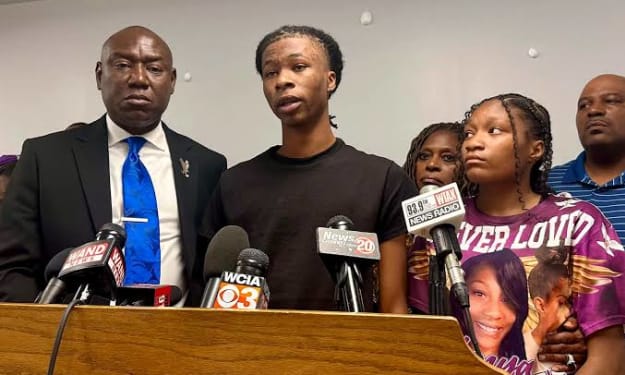
The name Sonya Massey has become closely associated with urgent discussions about policing, accountability, and public safety in the United States. Her death, now widely referred to as the Sonya Massey shooting, drew national attention after a routine emergency call ended in violence. The case ultimately led to the conviction of former deputy Sean Grayson, sparking renewed debate about how law enforcement interacts with vulnerable individuals and how justice systems respond when tragedies occur. This article explores what happened, the legal outcome, and the broader social questions raised by the case. Who Was Sonya Massey? Sonya Lynaye Wilburn-Massey was a 36-year-old mother of two living near Springfield, Illinois. On July 6, 2024, she called emergency services because she feared a prowler outside her home. What followed was an encounter that authorities and observers would later scrutinize in detail. Massey was unarmed at the time of the incident. Her death was officially ruled a homicide after she suffered a fatal gunshot wound to the head. The fact that she had sought help moments before the shooting added to public shock and intensified calls for transparency. What Happened the Night of the Sonya Massey Shooting? Deputies, including Sean Grayson, responded to Massey’s 911 call and entered her home after checking the property. Inside the kitchen, an interaction involving a pot of hot water quickly escalated. https://www.cleveland19.com According to reports and body-camera evidence, Grayson ordered Massey to drop the pot. She briefly set it down and ducked behind a counter, but as the tense exchange continued, Grayson fired his weapon, striking her in the face. Grayson later testified that he believed his life was in danger, saying he feared she might scald him. For many observers, the speed at which the situation turned fatal raised difficult questions about judgment, training, and the use of deadly force. Criminal Charges and Trial Following the shooting, Grayson was fired and indicted on multiple charges, including first-degree murder. Prosecutors argued that the use of deadly force was unjustified. The criminal trial began in October 2025. After deliberating for more than 11 hours, a jury convicted Grayson of second-degree murder, a charge that can apply when a defendant claims to have believed they were in danger—even if that belief is considered unreasonable. The verdict reflected the complexity of cases involving perceived threats, officer discretion, and legal standards for self-defense. Sean Grayson Sentenced In January 2026, Sean Grayson received a 20-year prison sentence, the maximum penalty allowed for second-degree murder in Illinois. During the hearing, Grayson expressed remorse and acknowledged making serious mistakes. However, members of Massey’s family reportedly felt the sentence was insufficient, having hoped for a conviction that carried a life term. The case also resulted in a federal inquiry, a multimillion-dollar civil settlement with the family, and policy changes emphasizing transparency in police hiring and de-escalation training. Public Reaction and Policy Impact The Sonya Massey shooting quickly became a symbol within the broader national conversation about police conduct. Protests, advocacy campaigns, and legal reviews followed the incident. Beyond public demonstrations, the case influenced institutional reform. Officials implemented measures requiring stronger background checks for officers and improved data collection on use-of-force incidents. These steps suggest that while individual cases often begin as local tragedies, their consequences can shape policy far beyond a single community. Mental Health and Emergency Response Reports indicated that Massey had a history of mental health struggles. This detail has prompted experts and advocates to question whether traditional law enforcement responses are always appropriate for situations involving psychological distress. The Washington Post Across the United States, some municipalities have begun experimenting with crisis-response teams that pair officers with mental health professionals or send specialized responders instead of police when possible. Although approaches vary, the goal is consistent: reduce the likelihood that vulnerable individuals face dangerous outcomes during emergency calls. The Massey case underscores why such discussions continue to gain urgency. The Human Cost Behind the Headlines High-profile cases often become defined by court decisions and policy debates, yet their deepest impact is personal. Massey’s children must now grow up without their mother—a reality frequently emphasized by relatives seeking accountability and remembrance. For families affected by similar incidents, justice is not measured solely in legal terms. It is also reflected in whether meaningful change follows. A Case That Continues to Resonate The conviction of Sean Grayson is considered notable because criminal accountability for on-duty officers remains relatively uncommon. Still, the case leaves unresolved questions about training, risk assessment, and how quickly encounters can spiral beyond control. Axios As communities evaluate the lessons from the Sonya Massey shooting, the broader challenge remains balancing officer safety with the protection of civilians—especially those who reach out for help. Conclusion The story of Sonya Massey is ultimately about more than a single event. It is about trust between citizens and institutions, the responsibilities carried by those in positions of authority, and the ongoing effort to prevent avoidable tragedies. While the legal process has reached a milestone with Sean Grayson’s sentencing, the conversation it sparked is far from over. Policymakers, law enforcement agencies, and communities continue to grapple with how to ensure that emergency responses provide safety rather than escalate risk.
By Saboor Brohi 9 months ago in 01
melania trump documentary. AI-Generated.
The release of Melania, a new documentary centered on First Lady Melania Trump, has drawn global attention even before its official debut. Promoted as an intimate portrait of one of the most private figures in modern American politics, the film aims to offer audiences a rare glimpse into her personal and public life. Yet the project has sparked discussion not only about its subject but also about the evolving role of political storytelling in contemporary media.
By Saboor Brohi 9 months ago in 01
Tesla. AI-Generated.
Tesla has long been one of the most closely watched companies in global markets. From reshaping the electric vehicle industry to advancing artificial intelligence and robotics, the company continues to influence both technology and investing conversations. Recent developments surrounding tesla, including its latest tesla earnings, evolving strategy, and the behavior of tsla stock, suggest the company is entering a new phase—one that blends automotive innovation with ambitious technological expansion.
By Saboor Brohi 9 months ago in 01
Trump Accounts. AI-Generated.
In recent policy discussions, the phrase “Trump accounts” has gained attention across political and financial circles. Many people are asking questions such as what are Trump accounts, how they might work, and whether they could reshape the way families plan financially for their children. While the idea is still closely tied to political debate and legislative processes, the proposal highlights a broader conversation about long-term savings, economic opportunity, and government-supported financial tools for younger generations.
By Saboor Brohi 9 months ago in 01
Shirley Raines. AI-Generated.
The passing of shirley raines has left a profound sense of loss across communities that knew her both personally and through social media. Widely recognized as “ms shirley,” she became a symbol of compassion through her tireless work with people experiencing homelessness. Her sudden death has prompted many to ask difficult questions, including how did ms shirley die, shirley raines cause of death, and what her legacy means moving forward.
By Saboor Brohi 9 months ago in 01
Shadows Over Kyiv: Inside Ukraine’s Endless War for Survival. AI-Generated.
Prologue: The Winter That Would Not End The winter sky over Kyiv carried a strange silence. It was not the peaceful quiet that comes after a snowfall, nor the kind that signals rest. It was the silence of anticipation—an uneasy tension that had settled into the bones of a country waiting for the next strike, the next missile, the next message that would arrive in the form of fire.
By Muhammad Islam khan swati9 months ago in 01
Why the United States Stepped Back from Confrontation with Iran: A 360° Geopolitical Analysis. AI-Generated.
Introduction In the long and turbulent history of US–Iran relations, moments of escalation have often brought the world to the brink of war. From the Iranian Revolution of 1979 to the sanctions era of the 2010s, and through the proxy conflicts simmering across Iraq, Syria, Lebanon, and Yemen, the tension between Washington and Tehran has become a defining feature of Middle Eastern geopolitics. Yet, despite decades of hostility, every cycle of confrontation has also produced unexpected decisions of restraint.
By Muhammad Islam khan swati9 months ago in 01
How Digital Marketing Services will Drive Business Growth in 2026?
The boardroom conversation around marketing has changed. In 2026, growth discussions no longer revolve around impressions, clicks, or follower counts. They revolve around contribution, predictability, and durability. Leaders want to know whether marketing systems can produce revenue under pressure, adapt to platform shifts, and justify spend without constant resets.
By Jane Smith10 months ago in 01
Why the Global Market Pays Attention to SEO Agency India Models?
Global search strategy conversations have shifted in recent years. By 2026, attention is no longer centered only on algorithm updates or new tools. It is focused on operating models. How teams structure work. How they absorb volatility. How they keep search performance stable across years, not quarters.
By Jane Smith10 months ago in 01