interview
Interviews with visionaries, founders, policymakers and researchers who live at the intersection of technology, business, human behavior and global society.
Belitsoft Unveils an Ultimate Guide on How to Build and Manage a Software Development Team in 2025
Every software development initiative in the company starts, when the leadership approves the budget for a capability that will grow revenue, cut cost, or reduce risk. The goal is to turn this capability into a running software service that meets performance, security, and availability targets while releasing new value.
By Dmitry Baraishukabout a year ago in 01
Reflections in the Rainbow: Logo TV's Founding President on 20 Years of LGBTQ+ Progress
Twenty years ago, the media landscape was a different world — one where LGBTQ+ representation was sparse, and authentic queer storytelling struggled for a platform. In 2005, amid cultural shifts and growing demand for inclusion, a new network flickered onto cable television screens: Logo TV. Billed as the first major American television channel dedicated to LGBTQ+ audiences, Logo quickly became a cultural lighthouse. Two decades later, its founding president — Brian Graden — reflects on the legacy, the battles won, and the challenges still ahead. A Dream Sparked by a Void “When we launched Logo in 2005, we weren’t just creating a network,” Graden says, “we were building a mirror. One that had been missing for generations.” Brian Graden, an openly gay television executive who had already found success shaping pop culture at MTV, knew there was a gap in the media ecosystem. At the time, LGBTQ+ characters on TV were rare and often reduced to stereotypes or sidekicks. “We wanted to change that,” Graden recalls. “We wanted stories by us, for us, about us — across the full spectrum of LGBTQ+ life.” Backed by MTV Networks (now Paramount Global), Logo debuted with both original programming and curated films that spoke to queer identity, relationships, and challenges. Early offerings included shows like Noah’s Arc, the first scripted series to center on Black gay men, and documentaries that chronicled real queer lives outside of major urban centers. Creating a Cultural Home For many LGBTQ+ people, especially those in conservative areas or lacking local community, Logo became more than a TV channel — it became a sanctuary. “I remember getting letters from teenagers in Kansas, veterans in Alabama, even elders in rural areas who finally saw a piece of themselves on screen,” Graden says, visibly moved. “It made the struggles worth it.” The network was never just about entertainment; it was about empowerment. Shows like Transamerican Love Story, The Big Gay Sketch Show, and RuPaul’s Drag Race — which later exploded into a global phenomenon — didn’t just push boundaries. They normalized LGBTQ+ joy, love, humor, and resilience. Graden emphasizes that the network’s early mission wasn’t about “being political,” but rather “being truthful.” “The existence of our community, our stories, is powerful enough. Just telling them without filter was already a radical act.” Navigating Growing Pains and Shifting Tides Despite its strong start, Logo faced challenges — from the pressure to appeal to advertisers, to criticism that its content skewed toward white, cisgender gay men. Over time, the network had to balance financial viability with its inclusive vision. “There were hard conversations,” Graden admits. “We had to learn in real-time how to be intersectional in our programming. It’s not enough to be LGBTQ+ — we had to reflect race, gender identity, socioeconomic diversity, disability, and more.” In the 2010s, as LGBTQ+ characters began appearing more frequently on mainstream networks and streaming platforms, Logo’s unique role became harder to define. Some questioned whether a dedicated LGBTQ+ network was still necessary. To that, Graden has a firm answer: “Absolutely.” “Visibility isn’t the same as equity. Yes, we’ve made progress, but queer people — especially trans people and queer people of color — are still underrepresented, misunderstood, and often deliberately excluded.” A Lasting Legacy Perhaps Logo’s most significant contribution to global culture is RuPaul’s Drag Race. Launched in 2009 with modest expectations, the show’s mix of glamour, wit, and raw emotion eventually caught fire. Though it moved to VH1 and later MTV, the early seasons on Logo laid the foundation for drag artistry to reach households worldwide. “Drag Race changed the game,” Graden says. “It showed that LGBTQ+ culture isn’t niche — it’s innovative, rich, and marketable. Logo was its cradle.” Beyond entertainment, Logo also championed documentaries that explored HIV stigma, queer history, and family dynamics — topics often ignored by mainstream media. These programs contributed to broader social understanding and pushed other networks to be more inclusive. The Road Ahead As LGBTQ+ rights face renewed political attacks and queer youth contend with rising hate speech, Graden believes Logo’s founding mission is more relevant than ever. “In some ways, we’re in a full-circle moment,” he notes. “The culture war is back. Queer visibility is under siege. That’s why spaces like Logo — whether on TV, streaming, or social platforms — still matter.” Graden, who now advises emerging LGBTQ+ creators and nonprofits, emphasizes the need for queer-led media companies in the digital age. “We need to own our platforms. Whether it's TikTok channels, podcasts, indie films — queer voices must shape the narrative, not just participate in it.” He also urges allies to remain vigilant: “Representation is a moving target. What was radical in 2005 might be mainstream today, but that doesn’t mean the fight is over. It just means the battlefield has moved.” Celebrating 20 Years with Purpose This year, Logo is commemorating its 20th anniversary with a series of retrospectives, re-airings of its landmark shows, and new interviews with LGBTQ+ creators and activists who were shaped by the network. One special event, Logo Legacy: 20 Years of Pride and Progress, will feature panels discussing the evolution of queer storytelling, the impact of RuPaul’s Drag Race, and the continued importance of queer-owned media spaces. Graden will be part of that conversation — not as a nostalgic founder, but as a lifelong advocate. “My greatest hope,” he says, “is that young queer people today will feel not just seen, but heard. That they’ll realize they’re inheriting a legacy built on risk, love, and radical truth — and that they’ll carry it forward, louder than ever.” --- Final Thoughts Twenty years after its inception, Logo TV stands as a symbol of how far LGBTQ+ representation has come — and how much further it needs to go. From a fledgling cable experiment to a cultural catalyst, its story is more than a media milestone. It’s a reminder that when you give a marginalized community the mic, they don’t just speak — they sing, they shout, and they change the world. As Graden says, “You can’t dim a rainbow. You can only add to its light.”
By Dipayan Biswasabout a year ago in 01
Azure Functions Challenges
Azure Functions lets dev teams in 2025 zero in on business logic while Azure takes care of servers, patches, and scaling. Its event-driven model and smooth CI/CD hookups push code from laptop to production fast. The pay-as-you-go Consumption and Flex plans mean you pay only for what runs. Built-in bindings link your functions to Storage, Event Grid, Cosmos DB, Logic Apps, AI services, and external APIs without fuss. And because it works hand-in-glove with Azure DevOps, GitHub Actions, and similar tools, automated testing and deployments are easy.
By Dmitry Baraishukabout a year ago in 01
How To Outsource Dedicated Software Development Teams
A dedicated software development team supplied by an external provider is best understood as a variable-capacity extension of an in-house engineering group. It follows three rules. First, every backlog item, milestone, and metric is aligned with the client’s business targets rather than the vendor’s utilization goals. Second, work remains transparent: repositories, test results, and decision logs are accessible to the client at all times. Third, the provider is obliged to deal with change, refining scope or priorities without lengthy renegotiation when market or regulatory events force adjustment.
By Dmitry Baraishukabout a year ago in 01
How to Hire a Backend Developer as an Executive
Investment in backend engineering talent is critical for software projects. While user-facing features receive the limelight, the invisible backbone – databases, APIs, security layers, deployment pipelines – governs the company’s ability to out-innovate competitors. A well-architected stack supports new software product lines. A high-performing backend engineer can reduce feature delivery times, protect critical apps from attacks, and cut infrastructure spend through optimization.
By Dmitry Baraishukabout a year ago in 01
Business Intelligence Software for Healthcare — What to Expect
Modern healthcare operates inside a data deluge. Every blood gas result, every reimbursement code, and every nurse’s shift handoff generates data that, in aggregate, dwarfs the holdings of many national archives. For decades, that data collected dust in proprietary databases, accessible only to technical specialists and summoned slowly by retrospective reports that arrived long after the decisions they might have informed were already made.
By Dmitry Baraishukabout a year ago in 01
Custom CRM Development in the USA in 2025: Industry Trends
Key Takeaways Gain an edge by customizing your CRM to fit the unique needs of your business and outpace competitors. Streamline your operations by mapping out your customer journey before starting CRM development for a smoother rollout. Strengthen relationships by creating CRM features that help your team connect and respond to customers in more meaningful ways. Explore how custom CRM tools open up new ways to automate tasks and spark growth you might not expect.
By Dmitry Baraishukabout a year ago in 01
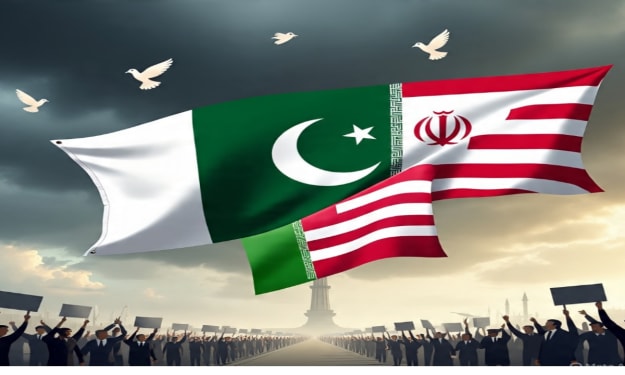
Condemnation by Pakistan of US Attacks on Iran and Response to the Deteriorating Situation in the Region
artriting .Following the initial condemnation by Pakistan and the expression of concern over the escalating conflict, it is important to explore the broader implications of the ongoing tensions between the United States and Iran, and how Pakistan’s position reflects its strategic interests and regional responsibilities. The Middle East has long been a region marked by complex alliances, historical rivalries, and competing interests of global powers. The recent military actions against Iran’s nuclear facilities represent more than isolated strikes; they symbolize a continuation of decades-long hostilities that have shaped the political landscape of the region. For Pakistan, which shares close cultural and economic ties with Iran and maintains strategic relations with the United States, navigating this conflict requires a balanced and nuanced diplomatic approach. Pakistan’s stance emphasizing diplomacy over military confrontation reflects a desire to avoid further destabilization. The government’s repeated calls for restraint from all parties indicate its recognition of the fragile security environment in the Gulf and its potential spillover effects on South Asia. Increased instability in the Middle East could impact Pakistan’s economy, energy supplies, and internal security, given the presence of diverse ethnic and sectarian groups within its own borders. Moreover, Pakistan’s engagement with international organizations such as the United Nations and the Organization of Islamic Cooperation underlines its commitment to multilateral solutions. By urging these bodies to take an active role in de-escalation efforts, Pakistan aims to foster dialogue that respects the sovereignty of all nations involved and upholds international law. This approach also aligns with Pakistan’s broader foreign policy goals of promoting peace and cooperation in the Muslim world. The public response within Pakistan further highlights the deep concern among its citizens regarding the prospect of war. Mass protests across major cities demonstrate a strong popular demand for peace and a rejection of any foreign aggression that might exacerbate regional tensions. Civil society groups, religious leaders, and political parties have echoed calls for peaceful resolution, emphasizing that war only brings destruction and suffering to ordinary people. From a geopolitical perspective, the conflict’s continuation risks empowering extremist groups that thrive on chaos and instability. Analysts warn that an intensification of hostilities could embolden militant factions, increasing violence not only in the Middle East but also in Pakistan and neighboring countries. This potential security threat reinforces Pakistan’s advocacy for diplomacy as the safest path forward. Economically, the impact of the conflict extends beyond regional borders. Disruptions in oil supply routes and rising fuel prices affect global markets, with developing countries bearing the brunt of these fluctuations. Pakistan’s economy, already grappling with inflation and fiscal challenges, could face further hardship if tensions lead to prolonged instability or conflict escalation. In this context, Pakistan’s diplomatic efforts to promote dialogue and peaceful negotiation carry significant weight. The government’s messaging underscores the importance of mutual respect and understanding among nations as the foundation for long-term stability. By championing these principles, Pakistan seeks to contribute constructively to resolving one of the most volatile conflicts of the 21st century. The international community’s response remains crucial. Constructive engagement by major powers and regional stakeholders can help create conditions conducive to negotiation and reduce the risk of wider conflict. Pakistan’s call for inclusive dialogue reflects the understanding that sustainable peace requires addressing the underlying political and security concerns of all parties involved. Humanitarian considerations also demand attention. Conflict invariably results in civilian casualties, displacement, and destruction of infrastructure. Pakistan has urged global actors to prioritize humanitarian aid and protection for affected populations, stressing that safeguarding human lives must remain paramount amid geopolitical struggles. Looking ahead, the path to peace will likely be challenging and complex. Trust-building measures, confidence-enhancing steps, and sustained diplomatic engagement are essential components for de-escalation. Pakistan’s role as a mediator and advocate for peaceful solutions positions it as a key player in encouraging cooperation and dialogue. In summary, Pakistan’s condemnation of the US attacks on Iran and its call for diplomacy highlight a responsible and strategic approach to a dangerous regional conflict. By promoting peace, supporting multilateralism, and engaging both the international community and domestic stakeholders, Pakistan aims to help steer the Middle East away from further violence and towards stability and cooperation. The coming weeks and months will test the resolve of all involved, but the emphasis on negotiation and restraint offers the best hope for a peaceful resolution.
By Riaz Gillani Exclusiveabout a year ago in 01
Custom Healthcare Software Development Trends in 2025 in the USA
Entering 2025, U.S. healthcare is on the verge of a major technology shift. Hospitals and health systems that once saw software projects as secondary now recognize digital infrastructure as a core strategic asset. Three main dynamics explain this change.
By Dmitry Baraishukabout a year ago in 01
Outsourcing Software Development: How to Succeed
Outsourcing is no longer about choosing the lowest-cost country. It is about building a resilient network of talent that can scale or pivot as strategy demands. Every region has outstanding, mediocre, and even dishonest developers. Country of origin is never a reliable signal of quality. In an era where talent networks are global and product cycles are short, this strategy transforms outsourcing into a competitive advantage.
By Dmitry Baraishukabout a year ago in 01
Forbes: How To Improve The Quality Of Software Testing
By Dmitry Baraishuk for Forbes Technology Council We at a custom software development company, Belitsoft, know that budget for fixing bugs increases up to 10 times with every new stage of product development. So the earlier you start your software testing process, the more money and nerves you save.
By Dmitry Baraishukabout a year ago in 01