
Steel Structures: A Pillar of Modern Architecture and Engineering
Steel structure is a versatile and durable material that is used in a wide variety of applications. It is strong, lightweight, and relatively easy to work with, making it a popular choice for many different types of construction projects.

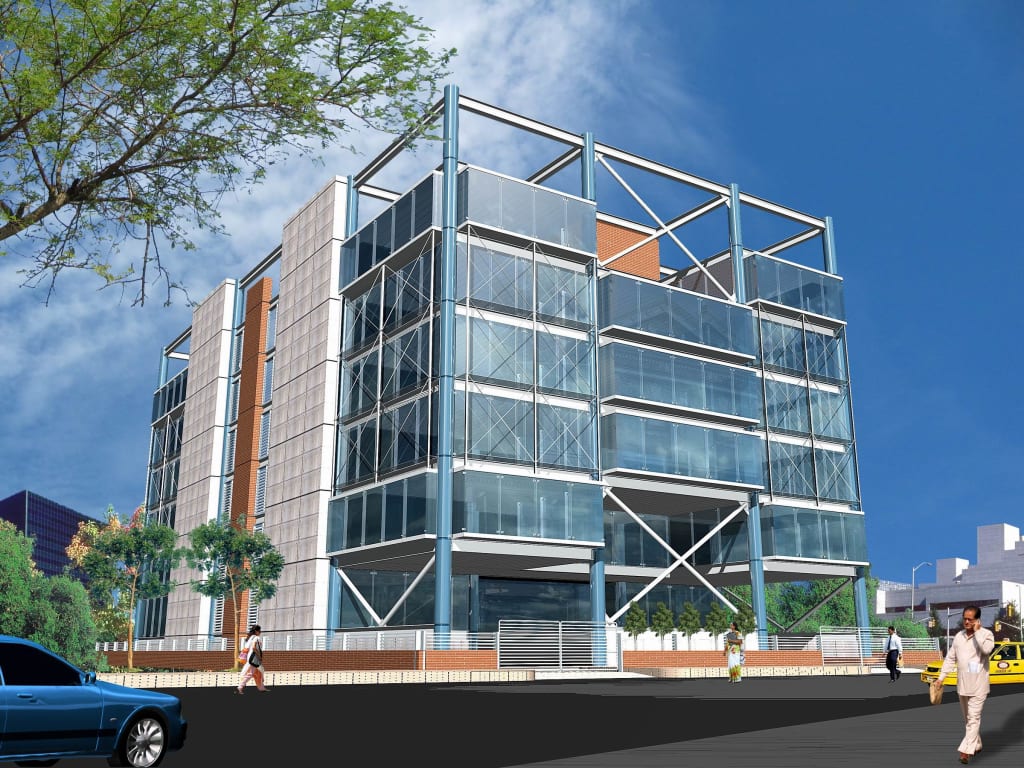
Steel structures form the backbone of modern architecture and engineering, offering unmatched strength, versatility, and durability. They are widely used in constructing bridges, skyscrapers, factories, and residential buildings due to their adaptability to various designs and functional needs. This article delves into the concept, advantages, applications, components, and sustainability of steel structures, highlighting their pivotal role in shaping the built environment.
What Are Steel Structures?
Steel structure is a versatile and durable material that is used in a wide variety of applications. It is strong, lightweight, and relatively easy to work with, making it a popular choice for many different types of construction projects:
- Steel beams (such as I beams)
- Steel frame buildings
- Steel railings
- Steel gates
- Staircases
- Lintel beams
- Parallel flange channels
- Flitch plates
Components of Steel Structures
Steel structures are composed of several essential components that contribute to their stability and functionality:
1. Beams
• Horizontal elements that bear loads and distribute them to the vertical supports.
2. Columns
• Vertical members that carry the weight of the structure and transfer it to the foundation.
3. Trusses
• Frameworks of triangular units that provide rigidity and distribute forces efficiently.
4. Plates
• Flat steel sections used in floors, roofs, and walls.
5. Bracing Systems
• Diagonal elements that enhance the structure’s stability and resistance to lateral forces like wind or earthquakes.
6. Connections
• Bolts, welds, and rivets that join components together, ensuring structural integrity.
Advantages of Steel Structures
Steel structures offer numerous benefits, making them a preferred choice in construction:
1. High Strength-to-Weight Ratio
• Steel is both lightweight and incredibly strong, allowing for slender yet robust structures.
2. Durability
• Resistant to pests, rot, and environmental degradation, steel structures have a long lifespan with minimal maintenance.
3. Design Flexibility
• Steel can be shaped into various forms, enabling complex and aesthetically appealing designs.
4. Ease of Construction
• Prefabricated steel components simplify on-site assembly, reducing construction time and costs.
5. Sustainability
• Steel is 100% recyclable, making it an environmentally friendly choice for modern construction.
6. Resistance to Fire and Earthquakes
• Steel structures can be treated with fire-resistant coatings and designed to withstand seismic activities, ensuring safety.
Applications of Steel Structures
Steel structures are integral to numerous sectors due to their versatility and reliability:
1. Commercial Buildings
• Skyscrapers, shopping malls, and office complexes often use steel frameworks for their ability to span large areas without internal supports.
2. Industrial Facilities
• Factories, warehouses, and storage units benefit from steel’s capacity to handle heavy machinery and equipment loads.
3. Bridges
• Steel’s strength and flexibility make it ideal for constructing long-span bridges, including suspension and arch designs.
4. Residential Projects
• Prefabricated steel homes and multi-storey buildings use steel for its cost efficiency and durability.
5. Infrastructure
• Airports, railway stations, and sports stadiums often incorporate steel for their expansive and open designs.
6. Agricultural Structures
• Silos, barns, and greenhouses utilise steel for its resistance to weather and pests.
Design Considerations for Steel Structures
When designing a steel structure, engineers and architects must consider several factors:
1. Load Requirements
• Includes dead loads (permanent static forces) and live loads (variable forces like people or equipment).
2. Environmental Conditions
• Structures must be designed to withstand wind, snow, and seismic forces specific to their location.
3. Material Selection
• The choice of steel grade and treatment impacts the structure’s strength, corrosion resistance, and longevity.
4. Connections and Joints
• Proper design of bolts, welds, and rivets ensures safety and stability.
5. Aesthetic and Functional Needs
• Steel allows for creative designs without compromising functionality, making it suitable for diverse architectural styles.
Sustainability of Steel Structures
Steel is a cornerstone of sustainable construction due to its recyclability and energy efficiency:
1. Recyclability
• Steel can be recycled indefinitely without losing its properties, reducing the demand for raw materials.
2. Energy Efficiency
• Steel’s thermal properties, when combined with insulation, contribute to energy-efficient buildings.
3. Reduced Material Waste
• Precise fabrication minimizes waste during manufacturing and construction.
4. Eco-Friendly Coatings
• Protective coatings enhance durability while reducing the need for frequent replacements or maintenance.
Innovations in Steel Structures
The steel industry continues to innovate, introducing new technologies and materials to enhance construction:
1. High-Performance Steel
• Advanced alloys improve strength, corrosion resistance, and fatigue performance.
2. Smart Steel Solutions
• Integration of sensors for real-time monitoring of structural health.
3. Prefabrication and Modular Construction
• Prefabricated steel modules simplify and accelerate construction processes.
4. Digital Tools
• Building Information Modeling (BIM) and 3D design software enable precise planning and execution.
Challenges in Steel Structure Construction
Despite their advantages, steel structures face certain challenges:
1. Initial Costs
• The upfront expense of steel and fabrication can be higher compared to other materials like concrete or wood.
2. Corrosion
• In humid or marine environments, untreated steel is prone to rust, necessitating protective coatings.
3. Fire Resistance
• Steel loses strength at high temperatures, requiring fireproofing measures.
4. Skilled Labour
• Construction and maintenance require trained professionals familiar with steel structures.
Future Trends in Steel Structures
As urbanisation and sustainability become priorities, steel structures are poised for continued growth:
1. Green Buildings
• Incorporating solar panels, rainwater harvesting, and energy-efficient designs.
2. Hybrid Structures
• Combining steel with other materials like timber and concrete for unique architectural outcomes.
3. Resilient Designs
• Structures designed to withstand extreme weather and natural disasters.
4. Automation and Robotics
• Automated fabrication and robotic assembly are revolutionising construction processes.
Steel structures are a testament to engineering ingenuity and architectural creativity. With their unmatched strength, versatility, and sustainability, they are essential to the modern built environment. As technology advances and the demand for eco-friendly solutions grows, steel structures will remain at the forefront of construction innovation, shaping the future of our cities and infrastructure.
About the Creator
Enjoyed the story? Support the Creator.
Subscribe for free to receive all their stories in your feed.
Comments
There are no comments for this story
Be the first to respond and start the conversation.