
Steel Frame Workshop vs. Traditional Construction: Which is Right for You?
A Comprehensive Comparison of Steel Frame and Traditional Construction for Workshops

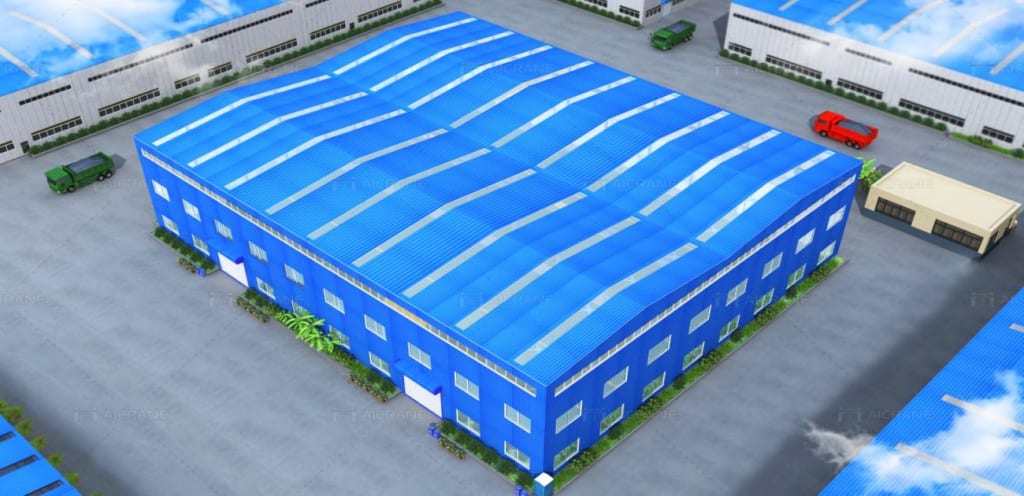
When constructing a workshop or industrial building, one of the most important decisions is selecting the building type. Two common approaches are steel frame construction and traditional construction, typically involving wood, concrete, or brick. Each method offers distinct advantages and disadvantages, making the decision dependent on factors such as cost, durability, flexibility, and project timeline. This article will compare steel frame workshops to traditional construction, helping you determine which is the right choice for your specific needs.
1. Construction Speed
One of the most significant advantages of steel frame workshops is the speed of construction. Steel structures are pre-fabricated, meaning many of the components are manufactured off-site in controlled environments. Once delivered to the construction site, these parts are easily assembled, reducing on-site construction time. The pre-engineered nature of steel frames allows for more efficient project planning, minimizing delays.
Traditional construction, on the other hand, is generally more time-consuming. Building with wood, concrete, or brick requires several phases of construction, such as laying the foundation, framing, and roofing, each of which may be susceptible to weather conditions and site-specific delays. In comparison, steel frame construction is much quicker, allowing businesses to get their workshops operational sooner.
2. Cost Efficiency
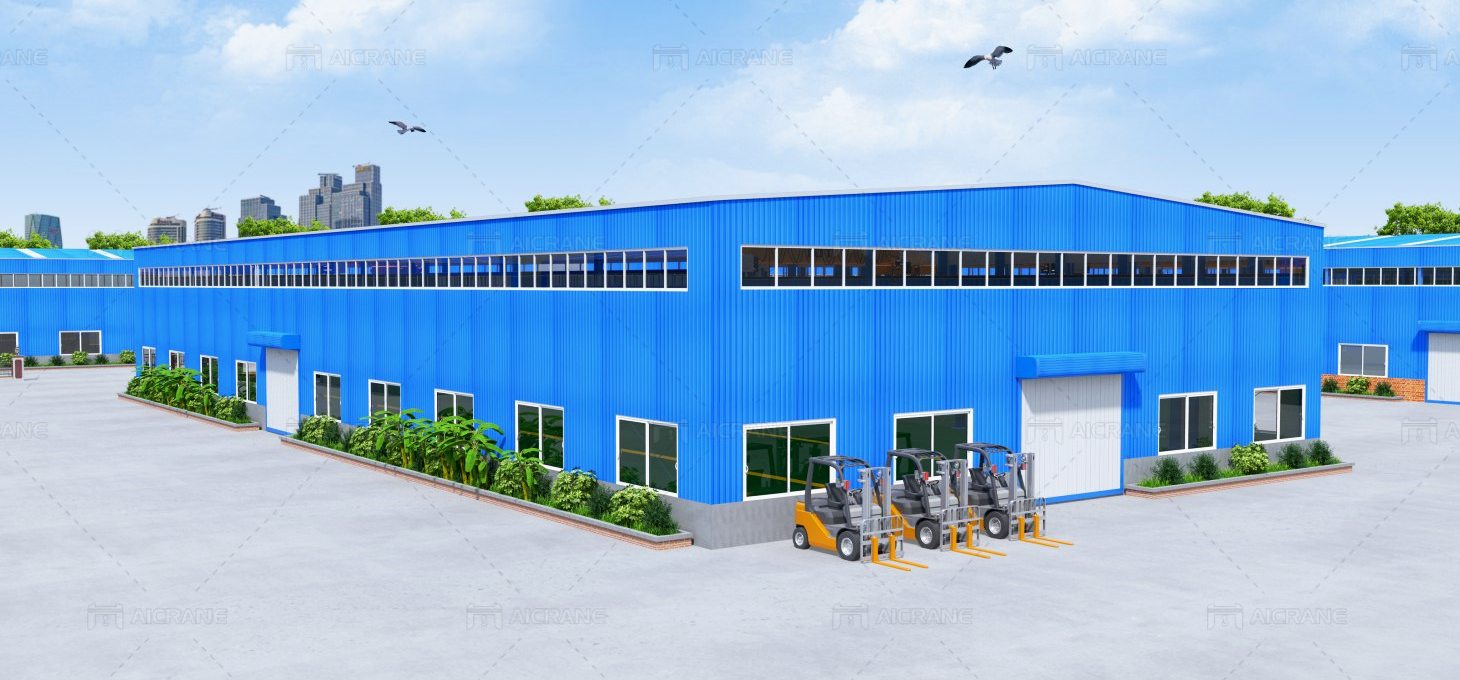
Cost is often a deciding factor when choosing between steel frame and traditional construction methods. Steel frame workshops are typically more cost-effective, especially for larger projects. Pre-fabrication helps reduce labor costs since fewer workers are needed to assemble the structure, and the faster construction process translates to lower labor expenses overall. Moreover, the precision of steel components reduces waste and the need for costly reworks.
Traditional construction can be more expensive, especially when building large workshops. Wood, concrete, and brick tend to require more materials, labor, and time. In addition, fluctuating costs for raw materials, particularly wood, can drive up the overall expense. While the initial cost of traditional construction may be comparable in some cases, the long-term maintenance and energy costs can make steel frame workshops the more economical option.
3. Durability and Longevity
When it comes to durability, steel frame workshops have a clear edge. Steel is a robust and resilient material that can withstand harsh weather conditions, including heavy snow, strong winds, and earthquakes. Steel also resists pests, such as termites, which can cause significant damage to wood-framed buildings. In addition, steel is non-combustible, reducing the risk of fire damage.
Traditional construction, while durable, is generally less resilient than steel. Wood structures are susceptible to decay, termites, and fire, requiring ongoing maintenance to ensure longevity. Brick and concrete structures are more durable than wood but can still be vulnerable to cracking and weathering over time, particularly in extreme climates. Overall, steel provides superior long-term durability, making it ideal for workshops where longevity and structural integrity are key concerns. Want to know more information about steel structure and get a suitable solution?You can contact Aicrane company.
4. Flexibility in Design
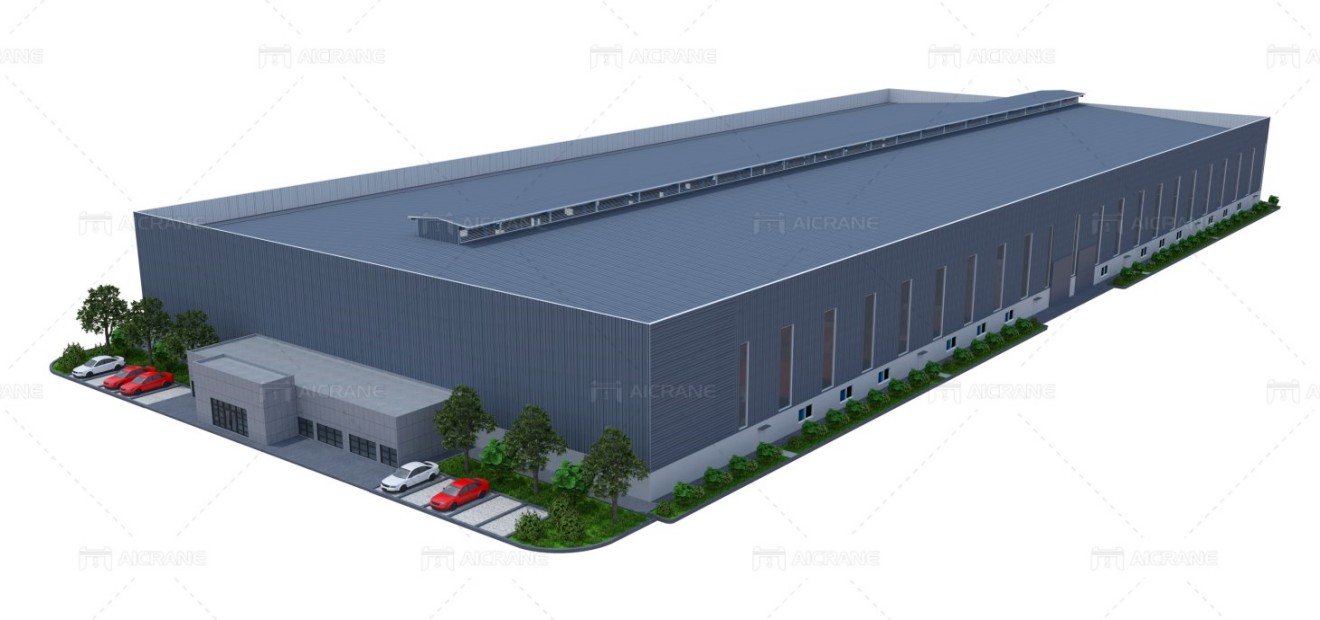
Steel frame workshops offer greater flexibility in design compared to traditional construction methods. Steel’s strength allows for larger, more open spaces without the need for internal load-bearing walls, making it ideal for workshops that require spacious interiors for machinery, storage, or operations. The design possibilities are almost endless with steel framing, as it can be easily customized to meet the specific needs of different industries.
Traditional construction methods, while offering design flexibility, may require more support structures, such as load-bearing walls, which can limit interior space and the overall functionality of the workshop. Additionally, altering or expanding a traditionally constructed workshop later on can be more complicated and costly than with a steel frame structure, where modifications are easier to implement.
5. Energy Efficiency
Energy efficiency is an important consideration, especially for workshops that will be used year-round. Steel frame workshops can be highly energy efficient when properly insulated. Modern steel structures can incorporate advanced insulation materials and energy-saving technologies, such as solar panels and energy-efficient windows, to reduce heating and cooling costs. Steel’s ability to reflect heat also helps maintain cooler temperatures in warm climates.
Traditional construction offers good energy efficiency as well, particularly with materials like brick and concrete, which provide natural insulation. However, wood-framed structures may require additional insulation to achieve the same level of energy efficiency as steel. Over time, the superior insulation and lower maintenance costs of steel frame workshops can lead to significant energy savings.
6. Environmental Impact
As sustainability becomes a growing priority in construction, the environmental impact of the building materials used plays a crucial role. Steel is a highly recyclable material, and many steel components are made from recycled materials, making it an eco-friendly choice. Additionally, steel frame workshops are often more energy-efficient, reducing their carbon footprint over time.
Traditional construction methods, particularly those using wood, may have a greater environmental impact. Wood requires the harvesting of trees, contributing to deforestation, although sustainably sourced timber can help mitigate this issue. Concrete and brick, while durable, have high energy costs associated with their production, and they are less recyclable than steel.
7. Maintenance Requirements
Steel frame workshops require minimal maintenance compared to traditional buildings. Steel does not warp, crack, or rot, making it an ideal material for long-term structures. Occasional cleaning and inspections are generally all that is needed to keep a steel workshop in good condition.
Traditional construction, especially wood, requires more frequent maintenance to prevent decay, insect infestations, and structural issues. Brick and concrete structures may require periodic repairs due to cracking or weathering over time. The reduced maintenance costs associated with steel frame workshops contribute to their overall cost-effectiveness.
Conclusion: Which Is Right for You?
The decision between a steel frame workshop and traditional construction ultimately depends on your specific needs, budget, and long-term goals. Steel frame workshops offer a range of advantages, including faster construction, cost efficiency, superior durability, and design flexibility, making them an ideal choice for businesses looking for a durable and efficient structure. On the other hand, traditional construction may be suitable for smaller projects or those where aesthetics and a more classic look are a priority.
For most industrial and commercial applications, steel frame workshops provide a modern, sustainable, and cost-effective solution that stands the test of time. However, evaluating your unique requirements and weighing the pros and cons of each option will help you make the best decision for your project.
About the Creator
Aicrane Group
Aicrane is a professional fabrication and trade integration enterprise in Overhead Crane, Gantry Crane, Rubber Tire Gantry Crane, Boat Lift, Steel Structure Workshop, Construction Winch, Marine Winch,etc.
Enjoyed the story? Support the Creator.
Subscribe for free to receive all their stories in your feed.
Comments