
Snap’s Specs Pivot $2,200 Scuba Gear to Enterprise AI Platform
After a disastrous launch that sent stock tumbling and sparked calls for CEO Evan Spiegel’s resignation, Snap is attempting to reframe its premium smart glasses as an indispensable AI-native computer for productivity and enterprise workflows rather than a consumer lifestyle accessory.

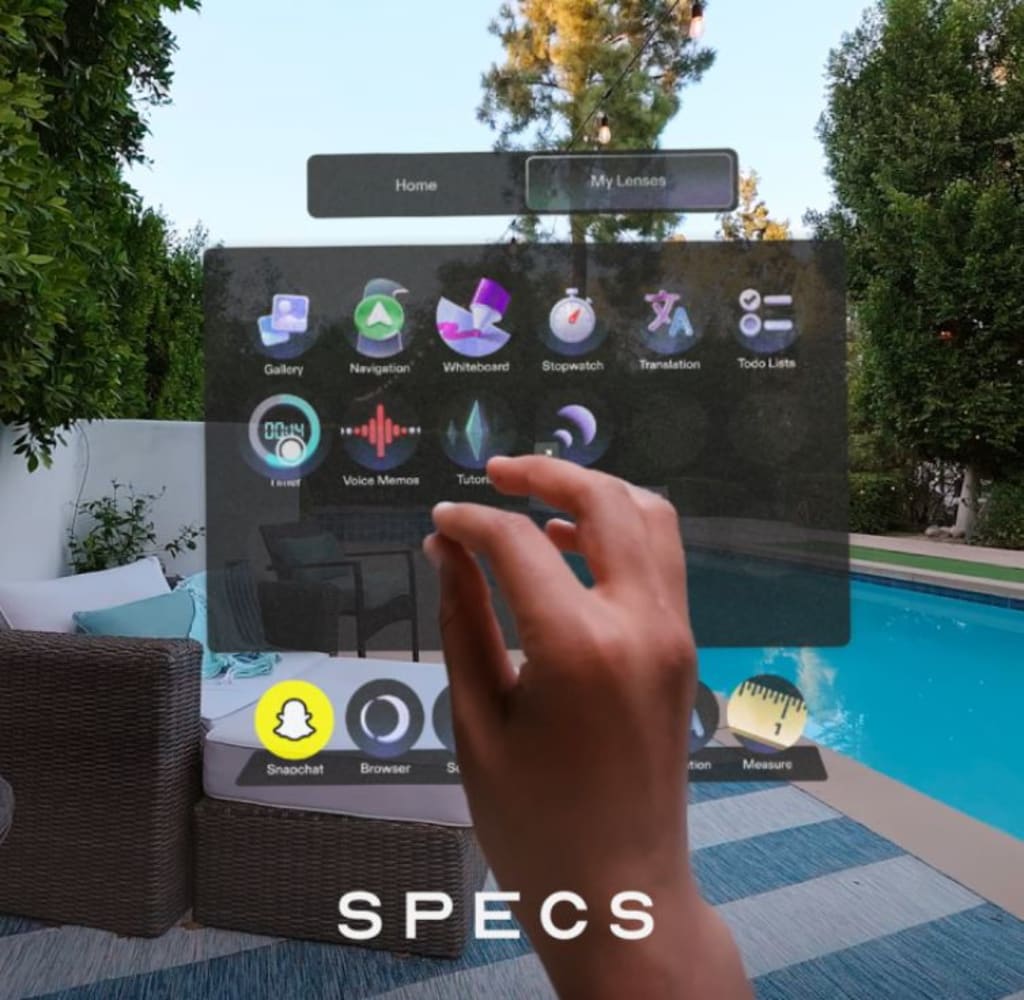
When Snap debuted its Specs smart glasses earlier this year, the reception was not merely lukewarm; it was catastrophic. Priced at a staggering $2,200 and featuring a bulky design widely compared to scuba gear, the device was met with online jeers, viral mockery, and immediate investor panic that drove Snap’s stock into freefall. The product lacked a clear value proposition for casual consumers who could not justify the cost or aesthetic for everyday wear. Since then, Snap has been engaged in a desperate search for a narrative that justifies Specs’ existence beyond novelty. This week, at an event in Los Angeles, CEO Evan Spiegel and his executive team unveiled a comprehensive suite of new features and services designed to pivot the device away from being a standalone wearable gadget and toward becoming a central node in a broader, AI-driven computing ecosystem.
The most significant strategic shift is the introduction of Specs Intelligence, described by Spiegel as an “AI native operating system with intelligence designed around your projects.” Unlike previous AR glasses that focused primarily on visual overlays or camera capture, Specs Intelligence functions as an anticipatory AI layer that integrates across user devices including iPhones and Macs, to understand goals, priorities, relationships, and routines. By connecting data from various apps and tools, the system aims to help users “connect the dots across Lenses” (Snap’s AR effects) and maintain focus on long-term objectives while managing immediate tasks. Crucially, this software does not require the glasses to function; it operates as a cross-platform productivity assistant, suggesting that Snap now views Specs as merely one interface for a larger intelligence platform rather than the sole reason for purchase. This reframing attempts to decouple the product’s value from its form factor, positioning it as a high-end input/output device for serious work rather than a fashion statement.
To further anchor Specs in professional utility, Snap announced Specs for Enterprise, a program targeting corporate workflows through partnerships with Amazon, Salesforce, Nvidia, and other major tech firms. While the specific use cases remain somewhat abstract, demo footage highlighted IT technicians using the glasses for hands-free hardware repair and remote assistance a niche but potentially high-value application where augmented reality can genuinely improve efficiency. Spiegel emphasized mobile device management, security controls, and deployment stacks tailored for IT departments, signaling a move toward B2B sales channels where price sensitivity is lower and ROI can be more clearly quantified. This enterprise pivot mirrors strategies employed by Microsoft HoloLens and Magic Leap, acknowledging that early adopters of expensive AR hardware are likely to be professionals solving specific industrial problems rather than general consumers seeking entertainment.
On the consumer side, Snap introduced integrations with HBO Max and Spotify to provide baseline entertainment functionality, alongside a partnership with the NBA and WNBA for an AR basketball training app. However, these additions highlight the persistent tension between Specs’ capabilities and its physical limitations; practicing jump shots while wearing heavy goggles remains a questionable use case for all but the most dedicated enthusiasts. More pragmatically, Snap addressed connectivity concerns with a new cellular package powered by Verizon, available via a charging case for $10–$20 per month depending on carrier status. This accessory acknowledges that true mobility requires independence from Wi-Fi, though it adds yet another recurring cost to an already premium-priced device.
Ultimately, Spiegel framed Specs as a philosophical counterpoint to prevailing tech narratives about AI displacement and virtual escapism. “Making people irrelevant is not progress, and computers should make us more important, not less,” he stated, positioning the glasses as a tool for human augmentation rather than replacement. Yet this rhetoric must overcome the visceral reality of putting a $2,200 computer on one’s face in public. Snap’s upcoming October pop-up in Los Angeles will serve as a critical test bed for whether this repositioning resonates before wider shipping begins later this fall. The company is betting that by embedding Specs into enterprise infrastructure and AI productivity stacks, it can transcend the initial disaster and establish a durable market for premium spatial computing even if that market turns out to be far narrower and more specialized than originally envisioned.
About the Creator
Mark Lim
Hi I am mark an automotive student and a car, tech and food enthusiast ! Im gonna try and post daily & hope you enjoy what I write and do share my page with people you know. I would gladly appreciate it! Cheers
Enjoyed the story? Support the Creator.
Subscribe for free to receive all their stories in your feed.
Comments
There are no comments for this story
Be the first to respond and start the conversation.