
Small Details That Shape Social Experiences: The Quiet Role of Bar Accessories
Why everyday items like stirrers, openers, and ashtrays reveal changing trends in hospitality, branding, and design

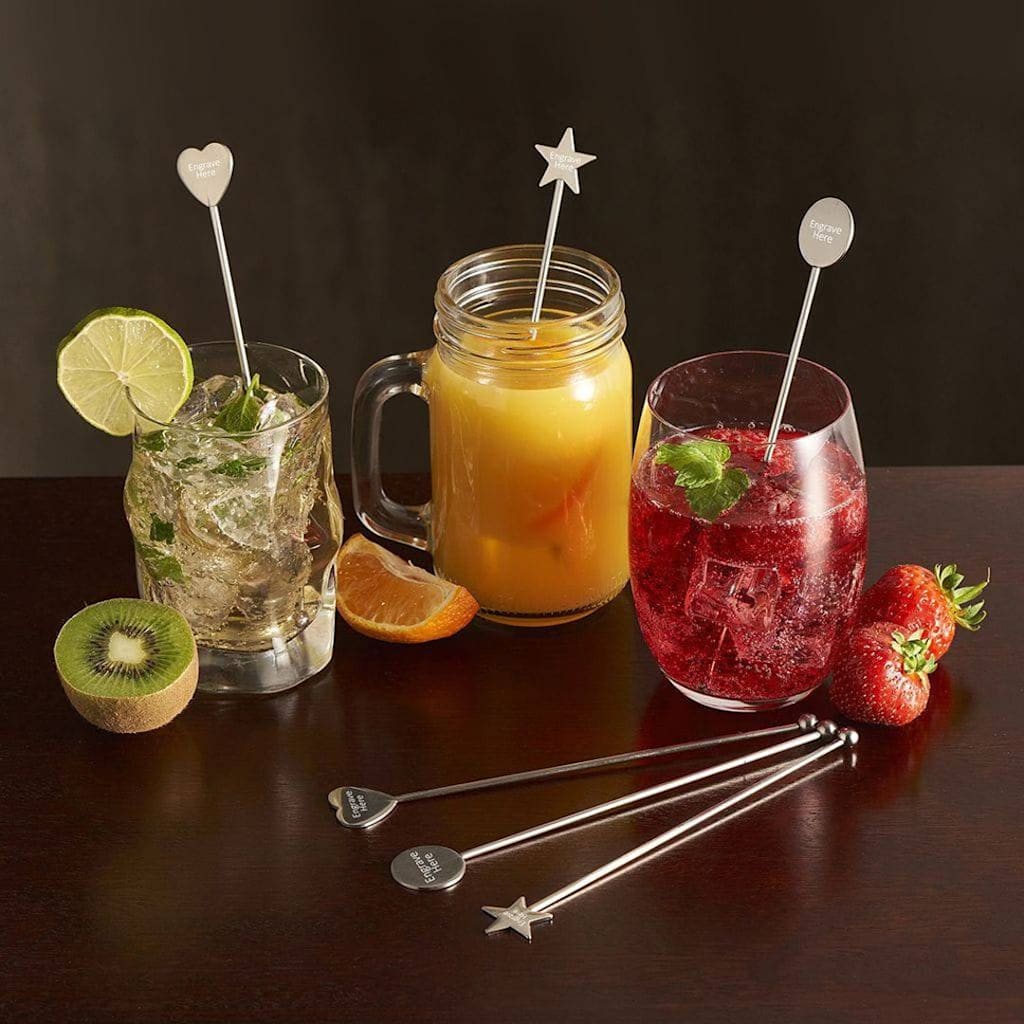
Walk into a café, hotel lounge, wedding reception, or cocktail bar, and most people focus on the drinks, atmosphere, or conversation. Yet many smaller objects quietly influence how experiences are remembered. Stirrers, bottle openers, coasters, and ashtrays often seem ordinary, but their design and function reflect broader trends in hospitality and consumer culture.
Over time, businesses have become more attentive to details that shape customer impressions. Functional items increasingly serve multiple purposes: usability, aesthetics, sustainability, and visual identity. This shift explains why products such as Custom Drink Stirrers have gained attention among venues seeking memorable presentation rather than relying solely on traditional advertising.
The Long History Behind Stirring Tools
The idea of mixing beverages is far from new. Stirring implements have evolved alongside drinking cultures, appearing in social settings ranging from coffee houses to cocktail bars. The familiar swizzle stick, historically associated with mixed drinks, illustrates how simple tools can become part of hospitality traditions.
What began as a practical object eventually developed into something more decorative. Materials changed, shapes became more refined, and presentation gained importance. Today, beverage accessories may be produced from acrylic, wood, bamboo, or metal, reflecting both design preferences and environmental considerations.
Interestingly, sustainability discussions have encouraged greater interest in reusable items. Consumers increasingly evaluate whether products are disposable or durable, especially in industries connected to food service and events.
Why Hospitality Businesses Care About Small Objects
Restaurants and hotels invest heavily in atmosphere because experiences influence customer memory. A venue’s lighting, menu design, table arrangement, and accessories all contribute to perception.
Research into mixing systems and stirring mechanisms in industrial contexts highlights how stirring tools affect efficiency and outcomes, demonstrating that seemingly minor design variations can significantly alter performance. Although hospitality differs from industrial mixing, the broader lesson remains relevant: design choices matter.
Businesses increasingly select personalized drink stirrers not merely for decoration but to create consistency between presentation and brand identity. The use of personalized drink stirrers reflects a larger movement toward customized customer experiences.
Materials Reflect Changing Consumer Priorities
Consumers today often ask practical questions:
- Is the product reusable?
- Does it support sustainability goals?
- Will it withstand repeated use?
- Does appearance influence perceived quality?
These questions affect purchasing decisions across many categories.
Metal accessories emphasize durability, while bamboo and wood often appeal to environmentally conscious audiences. Acrylic remains popular because of versatility in shape and appearance. Material choice increasingly communicates values alongside function.
The Cultural Shift Around Smoking Accessories
Smoking regulations and public attitudes have changed in many regions, altering how ashtrays appear in social environments. Rather than existing solely as utilitarian objects, some venues treat them as coordinated design elements.
Historically, ashtrays appeared almost everywhere—from hotel lobbies to restaurants. Today their use is more selective, yet design still influences perception in spaces where they remain relevant. Discussions around custom ashtrays reveal how businesses sometimes transform functional objects into extensions of ambiance or décor.
This shift mirrors a broader pattern: everyday items increasingly serve aesthetic and experiential purposes alongside practical ones.
Presentation Has Become Part of Experience
Modern consumers often document experiences online. Drinks, meals, and event settings are photographed and shared within seconds. As visual culture expands through social platforms, presentation details become more important.
Objects once ignored now contribute to what people remember—or choose to post.
The growing attention to small accessories suggests a simple reality: experiences are built from many layers, not only major attractions. A thoughtfully designed environment often depends on elements guests barely notice consciously but remember afterward.
In hospitality and social spaces, details rarely remain just details. They become part of the story people associate with a place, an event, or a moment.
Sometimes, the smallest objects around a table reveal the biggest shifts in consumer expectations.
About the Creator
Enjoyed the story? Support the Creator.
Subscribe for free to receive all their stories in your feed.
Comments
There are no comments for this story
Be the first to respond and start the conversation.