
Shop for the Best Workshop Cranes for Sale and Improve Your Facility’s Lifting Performance
Key Considerations for Selecting the Perfect Workshop Crane to Enhance Efficiency, Safety, and Performance in Your Facility

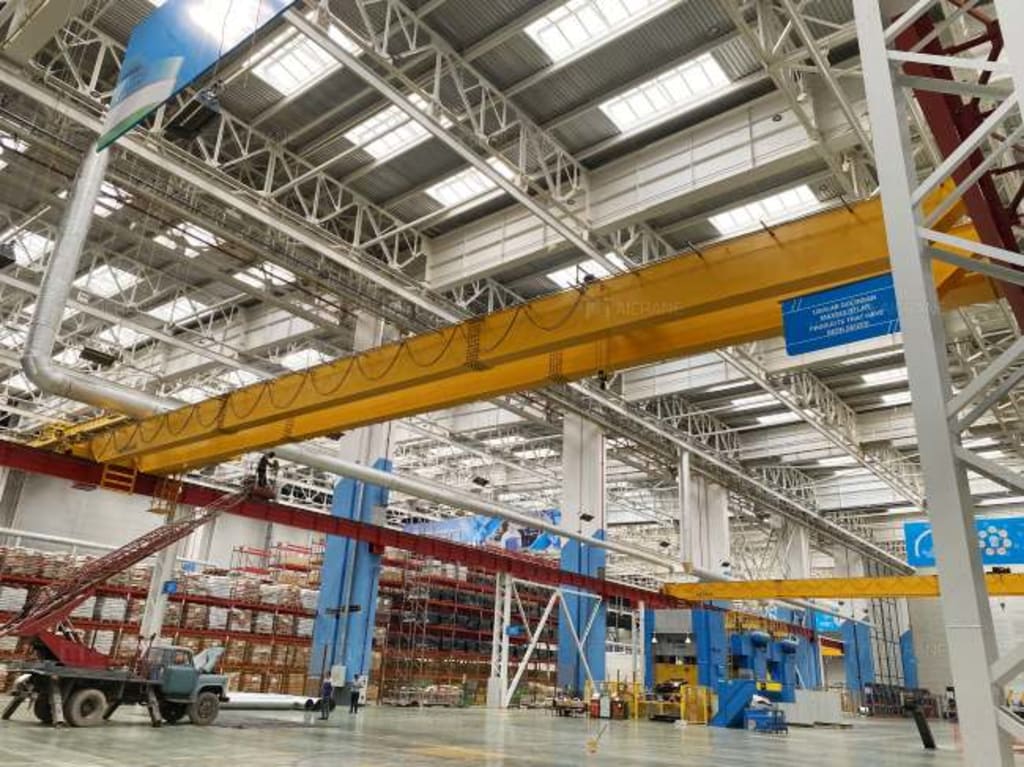
When managing a busy workshop or industrial facility, efficient and safe material handling is essential. Whether you're lifting heavy equipment, moving components in an assembly line, or simply organizing materials, a reliable crane can significantly improve your operations. Workshop cranes are invaluable tools that help reduce labor costs, increase safety, and enhance overall productivity. In this article, we’ll guide you through shopping for the best workshop cranes for sale and how to choose the right model to maximize your facility's lifting performance.
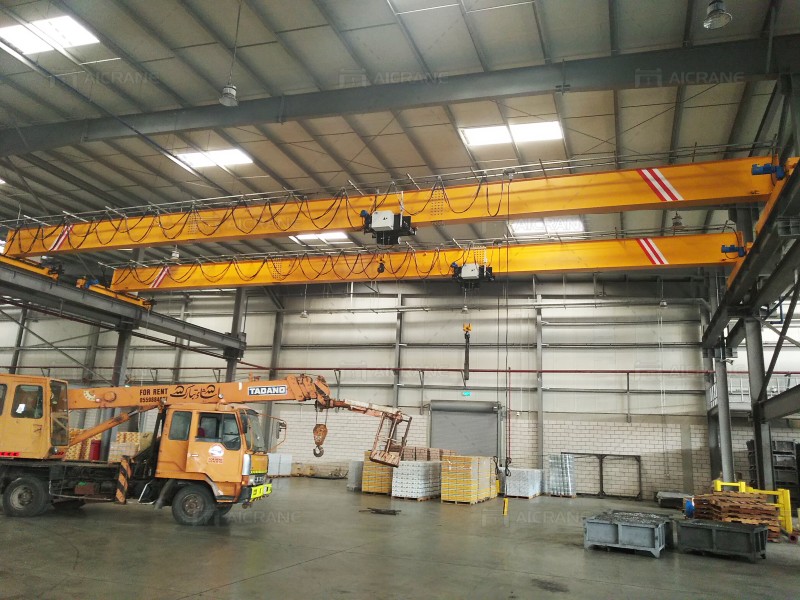
Understanding the Importance of Workshop Cranes
Workshop cranes, also known as overhead cranes or bridge cranes, are designed to lift and move heavy loads within a facility. Unlike traditional forklifts or manual labor, these cranes can handle much heavier loads and are capable of traveling across large areas to transport materials precisely and efficiently. This type of crane can help with various tasks such as:
Lifting and moving heavy machinery and equipment
Transporting raw materials like steel, wood, or concrete
Assisting with assembly lines and manufacturing processes
Organizing inventory and streamlining warehouse operations
The ability to lift heavy materials with precision and minimal manual effort not only reduces the risk of injury but also speeds up processes, resulting in higher throughput and greater operational efficiency.
Key Factors to Consider When Shopping for Workshop Cranes
When shopping for workshop cranes, several factors need to be considered to ensure you select the best option for your specific needs. Here are the key factors to keep in mind:
a. Load Capacity
One of the first considerations when purchasing a workshop crane is the load capacity. Determine the heaviest load you plan to lift and make sure the crane you choose can handle that weight with ease. Cranes typically come in various weight classes, from light-duty models capable of lifting 1 ton to heavy-duty cranes designed to lift over 100 tons.
Selecting a crane with a load capacity that matches or slightly exceeds your heaviest lifting requirement ensures the crane will operate within its safe limits. Operating a crane beyond its rated capacity can lead to failure, causing potential damage or injury.
b. Span and Reach
The span of the crane refers to the distance between the rails on which it operates. The span determines the crane’s coverage area in your workshop. Make sure to measure the area in which the crane will operate to ensure that it will be able to cover all necessary areas.
Similarly, consider the reach of the crane. Does the crane need to move loads across a large space or just within a limited area? Some cranes offer more extensive reach and can move loads across wide spans, while others are designed for smaller, more confined spaces.
c. Type of Crane
Workshop cranes come in several types, and the one you select will depend on your facility’s layout and lifting requirements:
Single Girder Cranes: These cranes are ideal for smaller workshops or lighter lifting tasks. A single girder crane features one beam running along the length of the facility, with a hoist attached to a trolley. They are cost-effective and work well for medium-duty lifting.
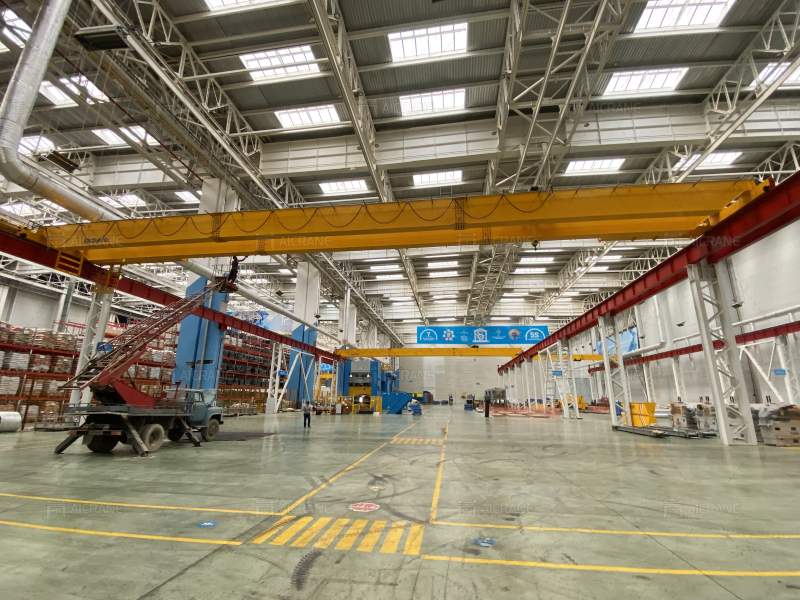
Double Girder Cranes: Suitable for heavier and larger loads, double girder cranes have two beams for additional stability. These cranes are often used in larger workshops or industries that handle heavy equipment and machinery.
Jib Cranes: Jib cranes are smaller and more localized, offering excellent flexibility for lifting loads within a confined space. They’re typically mounted on walls or columns and are ideal for jobs that require repetitive lifting of smaller items.
Articulating Cranes: These are specialized cranes that can extend their reach, useful for reaching difficult or awkward places. Articulating cranes can rotate in multiple directions and are commonly used for lifting loads in tight spaces.
d. Power Source
Crane operation can be powered in several ways, such as electric, hydraulic, or pneumatic. Electric cranes are common and are ideal for most workshop applications. They offer the advantage of reliability and energy efficiency. Hydraulic cranes, on the other hand, are used in situations where lifting precision is needed but may not be as fast or efficient as electric cranes. The choice of power source should depend on the type of work you’ll be performing and available infrastructure.
e. Safety Features
Safety is paramount when dealing with heavy machinery, and your crane should be equipped with safety features to protect both workers and equipment. Some essential safety features include:
Overload Protection: This feature ensures the crane cannot lift loads that exceed its capacity, preventing damage to both the crane and the materials being lifted.
Emergency Stop: A quick-access emergency stop button can help prevent accidents if something goes wrong.
Limit Switches: Limit switches prevent the crane from moving beyond its set range, reducing the risk of collisions and equipment damage.
Anti-Sway Technology: To enhance load stability, some cranes come with anti-sway mechanisms that prevent the load from swinging during lifting and movement.
f. Durability and Material Quality
Workshop cranes are exposed to heavy-duty conditions, so it's crucial to select a crane made from durable materials that can withstand constant wear and tear. Look for cranes made from high-quality steel and corrosion-resistant materials. Investing in a crane that is built to last will reduce long-term maintenance costs and downtime.
Choosing the Right Supplier
Selecting a reputable overhead crane supplier is key to getting the best workshop crane for your needs. Look for a supplier who offers:
Customization Options: A supplier that can tailor the crane to your facility’s specific needs, including special configurations, load capacities, and custom hoisting equipment, is essential for maximizing the crane’s efficiency.
Post-Sale Support: Ensure that the supplier offers excellent after-sale service, including installation, training, and maintenance. A good supplier will also offer warranties and reliable customer support to resolve any issues that arise after purchase.
Quality Assurance: Choose a supplier who provides high-quality cranes backed by certifications and quality assurance standards, such as ISO or CE markings. This ensures that the crane meets the necessary safety and regulatory standards.
Cost Considerations
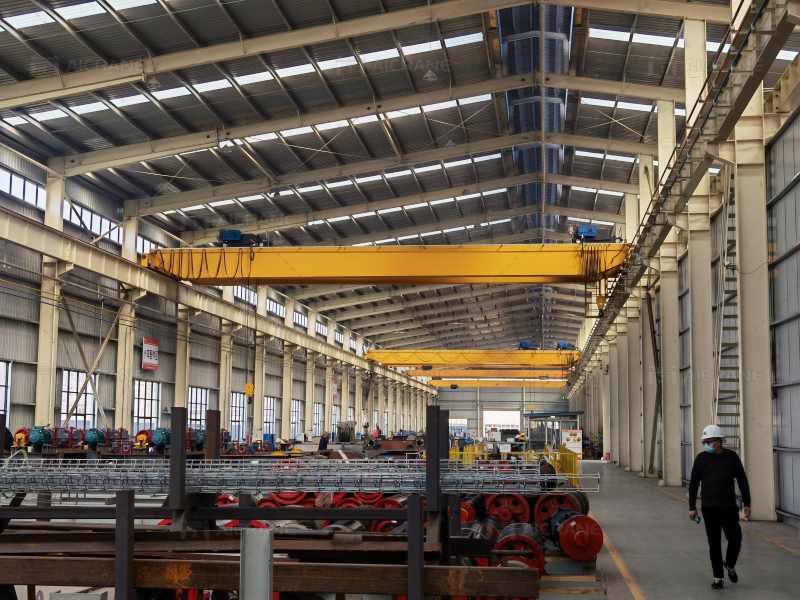
The cost of a workshop crane can vary widely depending on the model, capacity, features, and customization. While it may be tempting to go for the cheapest option, investing in a higher-quality crane can pay off in the long run by reducing maintenance costs and improving productivity. Consider the total cost of ownership, including installation, maintenance, and operational costs, when evaluating your options.
Conclusion
When shopping for workshop cranes, it's important to consider factors such as load capacity, crane type, power source, safety features, and supplier reliability. Choosing the right crane can have a profound impact on your facility’s productivity, safety, and overall performance. By investing in a high-quality workshop crane and working with a trusted supplier, you can streamline your operations, reduce labor costs, and ensure that your lifting tasks are completed safely and efficiently.
About the Creator
Aicrane Group
Aicrane is a professional fabrication and trade integration enterprise in Overhead Crane, Gantry Crane, Rubber Tire Gantry Crane, Boat Lift, Steel Structure Workshop, Construction Winch, Marine Winch,etc.
Enjoyed the story? Support the Creator.
Subscribe for free to receive all their stories in your feed.
Comments