
Self-Erecting Legs Reduce Mobile Asphalt Plant Fatigue Risk
Self-Erecting Legs Reduce Mobile Asphalt Plant Fatigue Risk

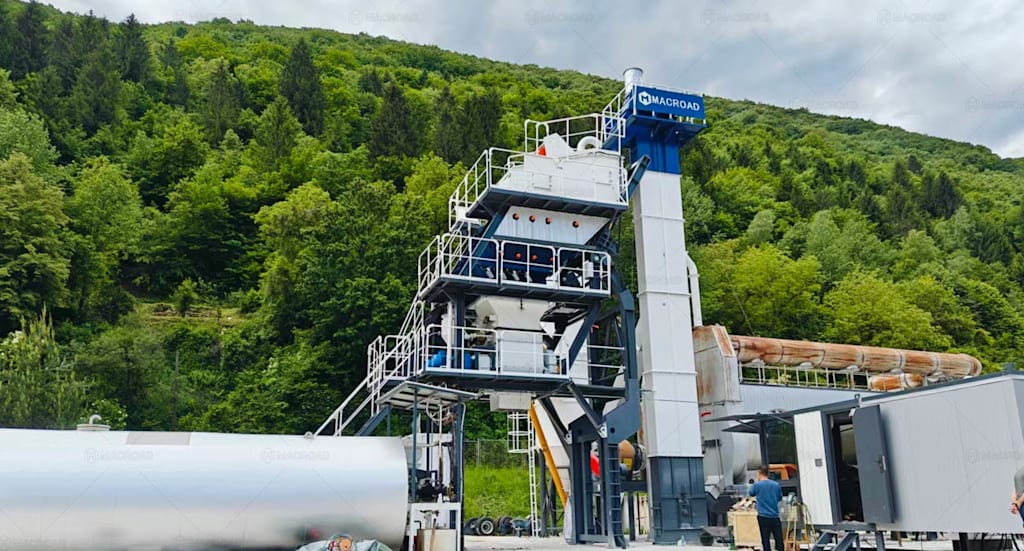
Structural mechanical fatigue in a mobile asphalt plant stems from continuous vibrating loads during operation combined with repetitive transport shocks between contract sites. Integrated hydraulic self-erecting steel legs decouple the equipment chassis from ground vibration, yet few procurement teams understand the fatigue-mitigation mechanisms embedded within these systems. When engineering auditors evaluate transoceanic container modular breakdown designs, they must verify that component fragmentation minimizes total upfront logistical asphalt plant cost while maintaining structural integrity through 15 to 20 year equipment lifecycles.
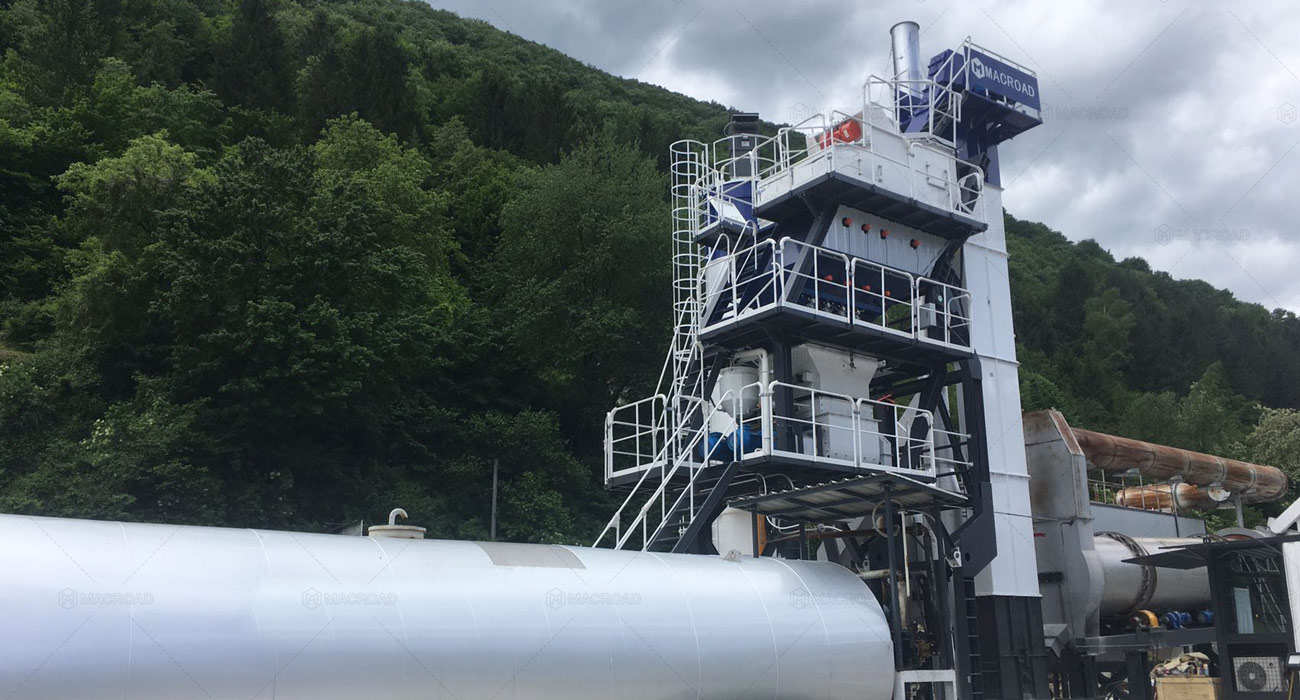
Leg Systems Isolate Vibration Transfer
Continuous vibrating loads from the aggregate drying drum, burner fans, and discharge conveyors in a mobile asphalt plant generate harmonic frequencies between 60 and 180 hertz that propagate directly into rigid chassis frames. Over 8,000 operating hours annually, these vibrations accumulate fatigue stress at welded frame joints and component mounting brackets. Integrated hydraulic self-erecting steel legs employ elastomeric isolation bushings and internal shock-absorber cartridges that dampen vibration amplitude by 65 to 75 percent before transmission reaches the primary chassis structure.
Conversely, conventional rigid feet welded to concrete pads offer zero vibration isolation and concentrate all dynamic loads into frame perimeters. Equipment with isolated legs extends chassis service life from 15 years to 22 years under identical operating conditions. Specifically, each hydraulic leg incorporates dual-stage damping: external elastomeric bushings absorb initial vibration energy, while internal hydro-pneumatic accumulators attenuate residual oscillation before reaching chassis mounting points. This multi-stage approach prevents resonance amplification that would trigger crack propagation in critical welded zones.
Modular Container Breakdown Architecture
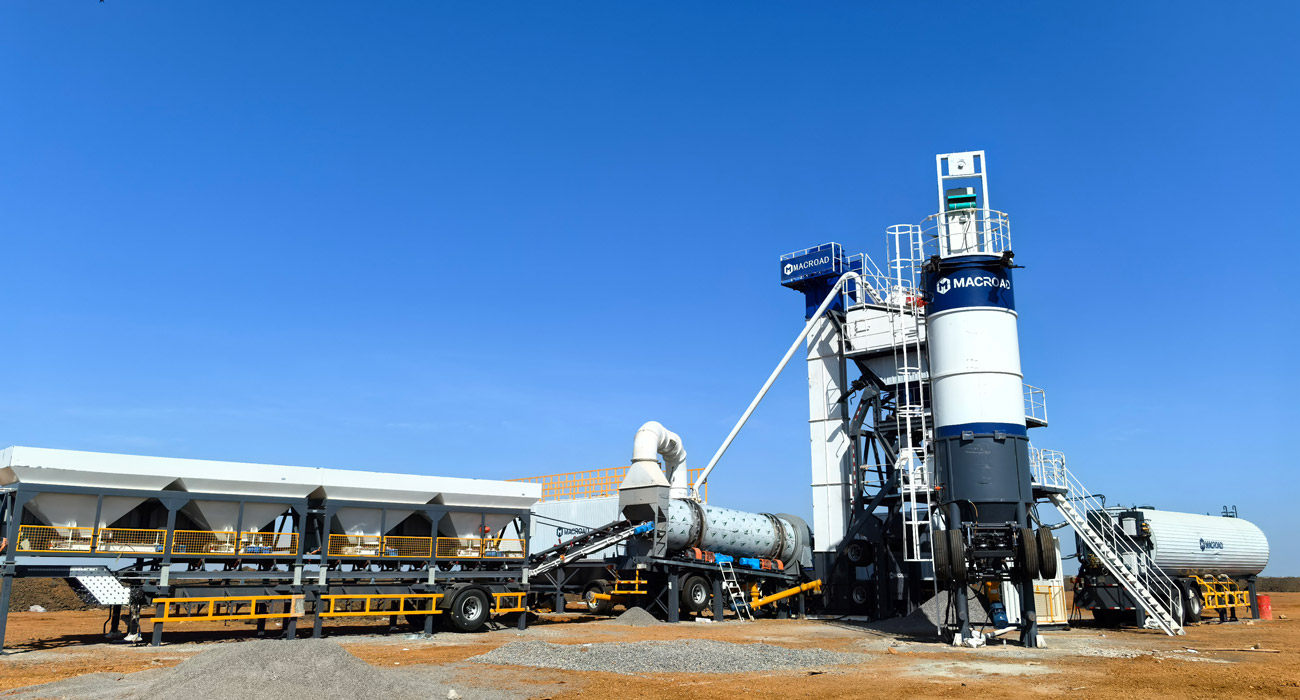
Transoceanic shipping economics require fragmentation of a mobile asphalt plant into subassemblies fitting standard 20-foot and 40-foot containers, yet on-site reassembly must restore full structural integrity without supplementary bolting. This constraint drives modular design where the drum assembly separates from the chassis, hydraulic manifolds disconnect via quick-couplers, and structural leg arrays detach at purpose-built interface points.
Proprietary container designs minimize asphalt plant cost by optimizing stacking efficiency within containers. Poor fragmentation might require two 40-foot containers for equipment that fits into one with optimized stacking — a cost differential exceeding $8,000 per shipment. Leading manufacturers employ parametric design software that simulates assembly sequences and packing configurations before finalizing component separation points. Each breakpoint must withstand 50 assembly cycles without dimensional drift causing alignment errors during final installation.
In light of these requirements, auditors verify that quick-coupler connections reliably restore pressure integrity without calibration drift between assembly cycles. Hydraulic lines must incorporate ferrule-compression standards withstanding 500 disconnection-reconnection cycles; inferior designs require fluid-system flushing after each relocation.
Verification Framework Minimizes Logistical Cost
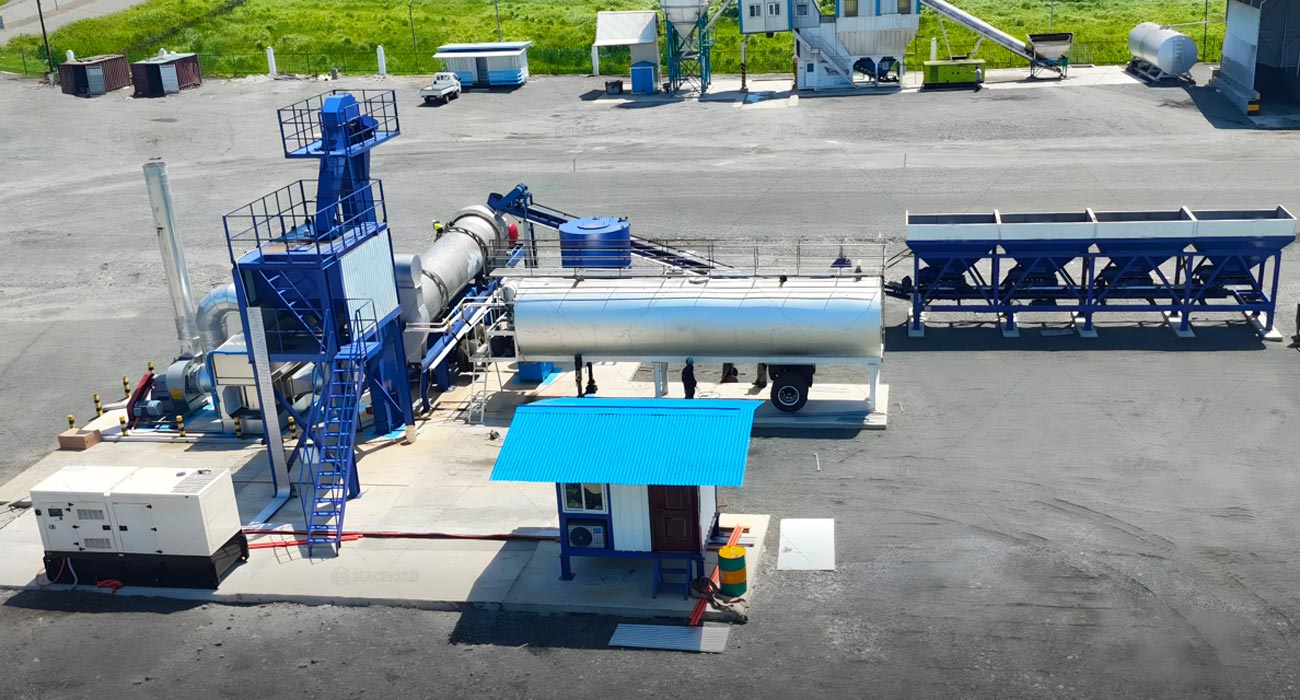
Total upfront logistical asphalt plant cost encompasses ocean freight, inland trucking, handling fees, and assembly labor — typically representing 18 to 24 percent of acquisition cost. Engineering auditors must confirm that component separation distributes weight evenly across containers, preventing overweight surcharges. A single container exceeding 20,000 kilograms triggers premium freight pricing across the entire shipment.
Documentation requires detailed container packing lists, dimensional drawings, and structural analysis confirming load limits for stacked configurations. Consequently, engineering audits must evaluate both modular design and assembly documentation completeness. A mobile asphalt plant that technically separates into transportable modules yet requires four days of on-site installation destroys economic deployment advantages. Verification standards now mandate that reassembly must complete within 16 operating hours, confirmed through pilot deployment documentation.
Conclusion
Evaluating a mobile asphalt plant requires simultaneous assessment of fatigue-mitigation mechanisms and logistical cost optimization embedded within modular designs. Hydraulic self-erecting leg systems reduce mechanical fatigue through vibration isolation, while properly engineered transoceanic container breakdown architectures minimize total upfront asphalt plant cost without compromising structural integrity. Engineering auditors addressing these dual requirements ensure that rapid multi-site contract deployment neither sacrifices equipment durability nor introduces hidden assembly costs.
About the Creator
Macroad Asphalt Plant
Macroad, a global leading manufacturer in asphalt mixing plants, offers a wide range of specifications to meet diverse project needs. Its high-quality, efficient equipment is widely applied in road construction.
Enjoyed the story? Support the Creator.
Subscribe for free to receive all their stories in your feed.
Comments
There are no comments for this story
Be the first to respond and start the conversation.