
Selecting the Right Hoist for Your Double Girder EOT Crane
A hoist plays a central role in any lifting operation by handling the load

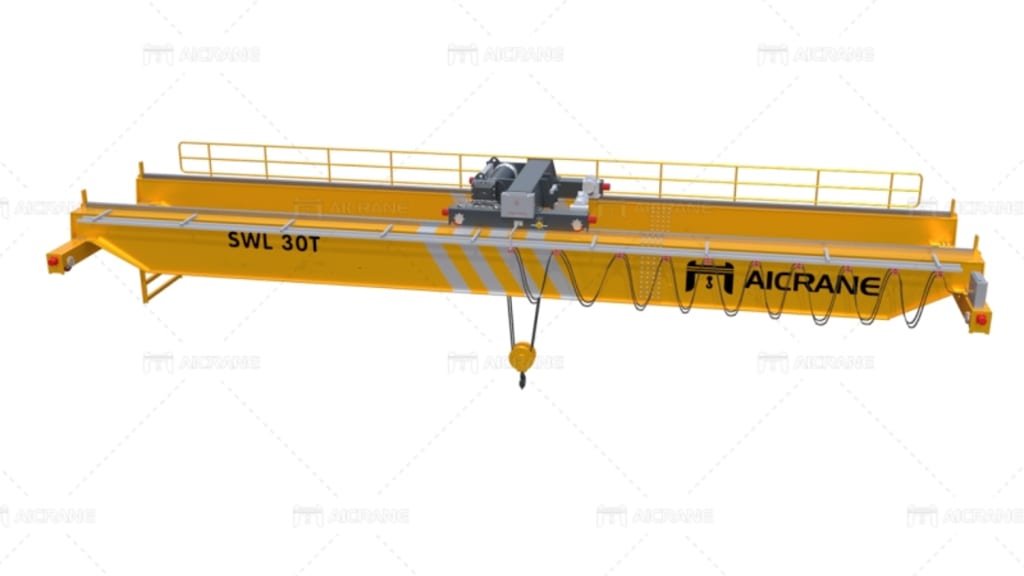
Choosing the right hoist for your Double Girder EOT (Electric Overhead Traveling) Crane is crucial for achieving optimal performance, safety, and efficiency in your lifting operations. The hoist serves as the core lifting mechanism of the crane, and selecting one that matches your application needs can significantly impact your workflow and operational safety. This guide explores key considerations, types of hoists, and essential factors to help you choose the right hoist for your Double Girder EOT Crane.
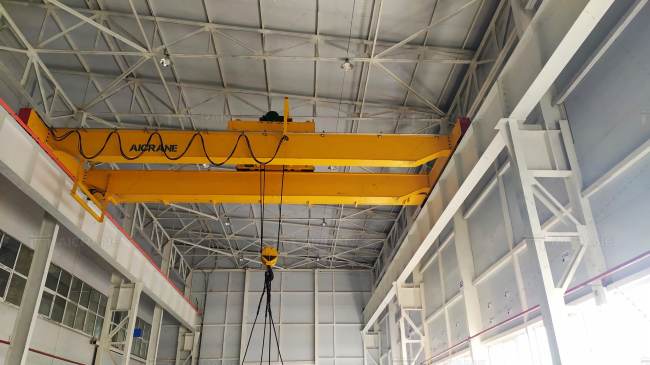
Why the Right Hoist Matters
A hoist plays a central role in any lifting operation by handling the load, controlling movement, and ensuring safety. Selecting an appropriate hoist is essential for several reasons:
Safety: The wrong hoist may lead to load imbalance, mechanical failures, or accidents.
Efficiency: A well-suited hoist can maximize productivity and minimize downtime.
Durability: The right hoist will extend the life of your Double Girder EOT Crane by reducing wear and tear.
Cost Savings: Choosing the correct hoist can reduce maintenance costs and enhance return on investment (ROI).
Types of Hoists for Double Girder EOT Cranes
1. Wire Rope Hoists
Wire rope hoists are the most common type for Double Girder EOT Cranes. They offer high load capacity and durability, making them suitable for heavy-duty applications.
Key Features: High lifting speed, long lifespan, and precise load handling.
Best For: Steel mills, shipyards, heavy manufacturing, and continuous lifting operations.
Advantages: Superior strength, high duty cycle, and low maintenance requirements.
2. Chain Hoists
Chain hoists are more compact and suitable for lighter applications where space is limited.
Key Features: Simple design, lower cost, and ease of maintenance.
Best For: Light to medium-duty applications, warehouses, and assembly lines.
Advantages: Compact size, portability, and cost-effectiveness.
3. Manual Hoists
Manual hoists are operated by hand, making them ideal for low-capacity and infrequent lifting needs.
Key Features: No electricity required, simple operation, and low cost.
Best For: Occasional lifts, small workshops, and maintenance tasks.
Advantages: Easy to use, portable, and no power dependency.
4. Electric Hoists
Electric hoists are powered by electric motors and offer precise control and higher efficiency.
Key Features: Motorized operation, adjustable speed, and advanced safety features.
Best For: Frequent and heavy-duty lifting in industrial environments.
Advantages: Consistent performance, high speed, and remote-control options.
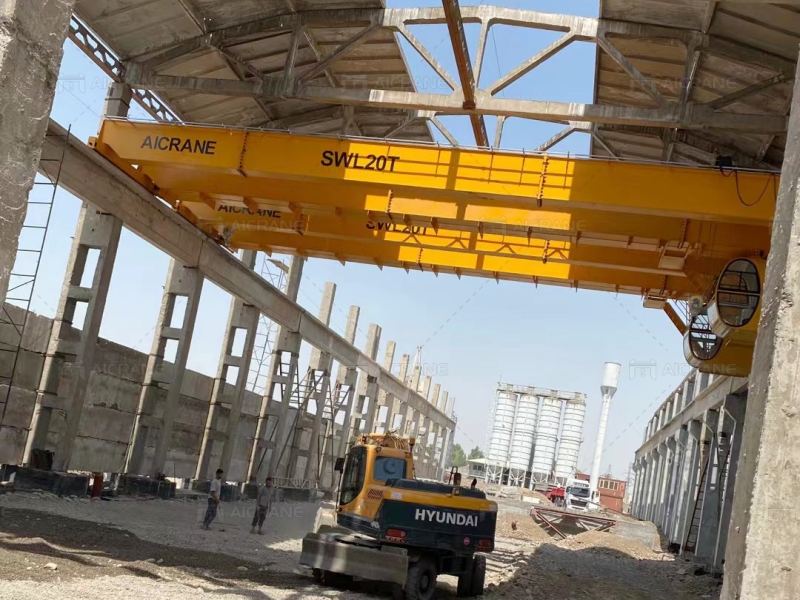
Key Considerations When Selecting a Hoist
1. Load Capacity
One of the most critical factors when selecting a hoist is the load capacity. The hoist should be capable of handling the maximum load your operations require, with a safety margin included. For Double Girder EOT Cranes, hoists typically handle capacities ranging from 5 tons to 100 tons.
Tip: Always choose a hoist with a capacity slightly above your maximum anticipated load.
2. Lifting Height
The lifting height refers to how high the hoist can lift the load. Consider the height of your workspace and the typical lifting requirements.
Tip: Ensure the hoist’s lifting height accommodates the vertical distance required for your operations.
3. Duty Cycle
The duty cycle (or service classification) determines how frequently and intensely the hoist will be used. Classifications typically range from Class A (light-duty) to Class E (severe-duty).
Tip: For heavy industrial applications, select a hoist with a Class D or E duty rating for durability and reliability.
4. Speed of Operation
Hoisting speed can impact productivity and safety. Faster speeds are beneficial for high-volume operations, while slower speeds provide greater control for delicate tasks.
Tip: Variable frequency drives (VFDs) allow for adjustable speeds, offering both precision and efficiency.
5. Control System
Consider the type of control system that best suits your operations:
Pendant Control: Offers direct operation near the load.
Radio Remote Control: Allows operators to control the hoist from a distance, enhancing safety.
Automated Systems: Provide advanced control for repetitive and precise lifting tasks.
6. Safety Features
Ensure the hoist has essential safety mechanisms, such as:
Overload Protection: Prevents the hoist from lifting beyond its capacity.
Limit Switches: Prevents over-travel of the hook.
Emergency Stop: Allows for immediate shutdown in case of malfunction.
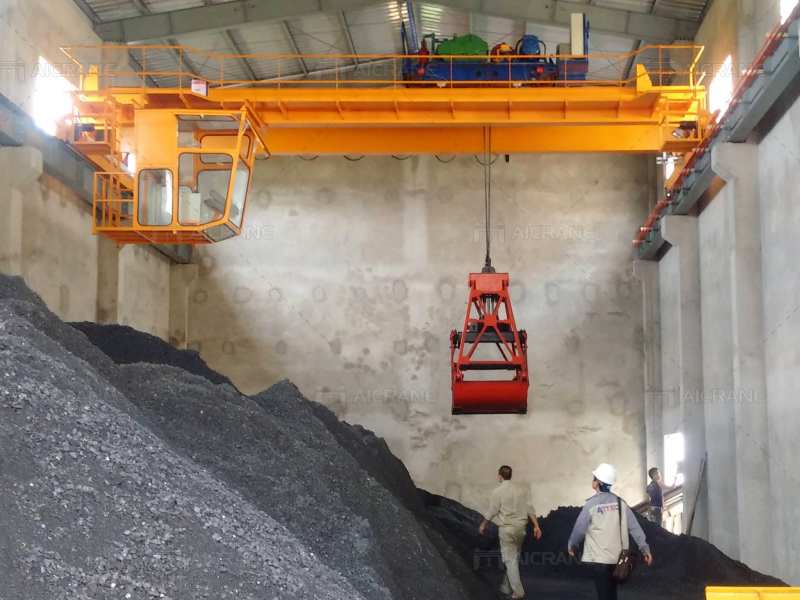
Maintenance and Reliability
Selecting a hoist that’s easy to maintain ensures long-term reliability. Look for features like:
Accessible Components: For easier inspections and repairs.
Lubrication Systems: To keep moving parts in good condition.
Diagnostic Systems: Modern hoists may include self-diagnostics and smart monitoring systems for proactive maintenance.
Tip: Establish a regular maintenance schedule to maximize the lifespan of your hoist.
Conclusion
Choosing the right hoist for your Double Girder EOT Crane is essential for ensuring safe, efficient, and reliable lifting operations. By considering factors such as load capacity, lifting height, duty cycle, speed, control options, and safety features, you can select a hoist that meets your specific needs. Investing time in selecting the right hoist will not only improve productivity but also enhance the longevity and performance of your Double Girder EOT Crane.
When in doubt, consult with a qualified overhead crane manufacturer or supplier to assess your operational requirements and recommend the best hoist solution for your business.
About the Creator
Aicrane Group
Aicrane is a professional fabrication and trade integration enterprise in Overhead Crane, Gantry Crane, Rubber Tire Gantry Crane, Boat Lift, Steel Structure Workshop, Construction Winch, Marine Winch,etc.
Enjoyed the story? Support the Creator.
Subscribe for free to receive all their stories in your feed.
Comments