
Security and Risks in Crypto (Scams, Hacks, Regulation)
Understanding the dangers of scams and hacks in the crypto world.

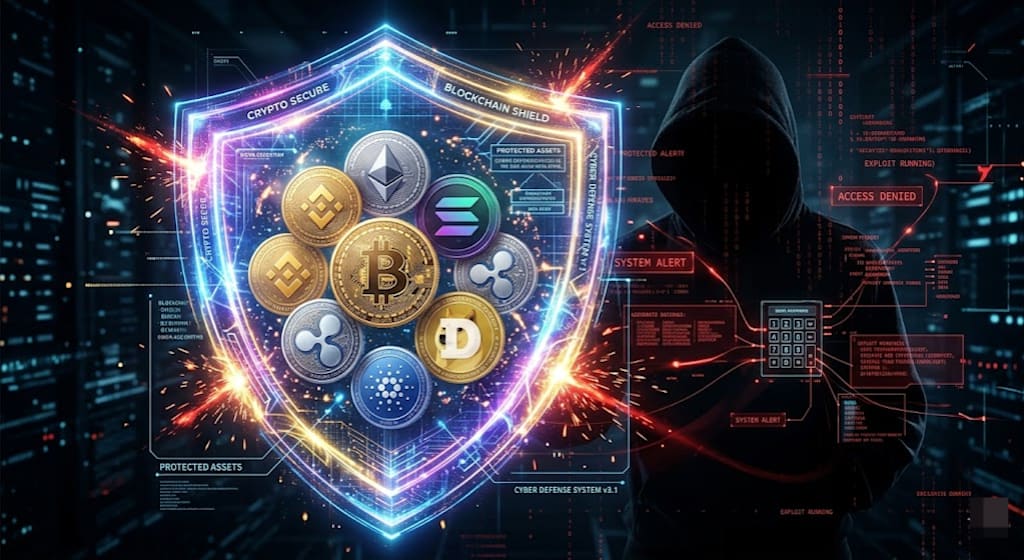
Cryptocurrency has transformed the financial landscape by introducing decentralized systems that remove the need for traditional intermediaries. While this innovation offers greater control and transparency, it also comes with significant risks. From scams and hacks to evolving regulations, the crypto space presents unique security challenges that users must understand to navigate it safely.
This blog explores the major risks associated with cryptocurrencies and how individuals and institutions can protect themselves.
The Nature of Crypto Security
Unlike traditional banking systems, cryptocurrencies operate in a decentralized environment. This means there is no central authority to reverse transactions or recover lost funds. While this provides autonomy, it also places full responsibility on users.
Crypto security relies heavily on:
- Private keys and wallet protection
- Secure platforms and exchanges
- User awareness and best practices
If any of these elements are compromised, assets can be lost permanently.
Common Types of Crypto Scams
Scams are one of the most widespread threats in the crypto space. As the industry grows, so do the tactics used by malicious actors.
Phishing Attacks
Scammers create fake websites or emails that mimic legitimate platforms to steal login credentials and private keys.
Ponzi and Pyramid Schemes
These schemes promise high returns with little risk, often using new investor funds to pay earlier participants.
Fake Initial Coin Offerings (ICOs)
Fraudulent projects raise funds for tokens that never materialize or have no real value.
Social Media Impersonation
Scammers impersonate influencers or companies to trick users into sending funds.
Awareness and skepticism are key defenses against these scams.
Crypto Hacks and Security Breaches
Hacks are another major concern, particularly for exchanges and decentralized platforms. Even well-established systems have been targeted.
Exchange Hacks
Centralized exchanges hold large amounts of user funds, making them attractive targets for hackers.
Smart Contract Exploits
Bugs in smart contract code can be exploited to drain funds from decentralized applications.
Wallet Vulnerabilities
Poorly secured wallets or compromised devices can lead to unauthorized access.
Unlike traditional systems, recovering stolen crypto is often impossible, making prevention critical.
The Role of Regulation
Governments and regulatory bodies are increasingly focusing on cryptocurrency to address risks and protect users. However, regulation in the crypto space is complex and varies by region.
Benefits of Regulation
- Protects investors from fraud
- Encourages transparency
- Builds trust in the ecosystem
Challenges of Regulation
- May limit decentralization
- Can stifle innovation if overly restrictive
- Varies widely across jurisdictions
Striking a balance between innovation and protection remains a key challenge for regulators worldwide.
Market Behavior and Risk Perception
Security concerns and market sentiment often go hand in hand. Investors closely monitor trends, news, and analytical tools to make decisions in a volatile environment.
In this context, discussions around ethereum price prediction frequently emerge when assessing market direction and potential risks. These forecasts often consider factors such as network upgrades, adoption rates, and security developments. Additionally, ethereum price prediction models may incorporate data related to past hacks or regulatory changes, highlighting how closely security and market performance are linked.
Best Practices for Staying Safe
To minimize risks, users should adopt strong security habits:
Use Secure Wallets
Hardware wallets provide an extra layer of protection by storing private keys offline.
Enable Two-Factor Authentication
This adds an additional security step for accessing accounts.
Verify Sources
Always double-check URLs, emails, and project details before interacting.
Avoid Sharing Private Keys
Private keys should never be shared under any circumstances.
Keep Software Updated
Regular updates help protect against known vulnerabilities.
By following these practices, users can significantly reduce their exposure to threats.
The Human Factor in Crypto Security
While technology plays a major role in security, human behavior is often the weakest link. Many successful attacks rely on social engineering rather than technical exploits.
Common mistakes include:
- Clicking on suspicious links
- Falling for “too good to be true” offers
- Neglecting basic security measures
Education and awareness are essential for reducing these risks.
The Future of Crypto Security
As the crypto industry matures, security measures are expected to improve. Innovations such as multi-signature wallets, decentralized identity systems, and advanced auditing tools are already enhancing safety.
At the same time, hackers and scammers continue to evolve, making it an ongoing battle. Collaboration between developers, regulators, and users will be crucial in building a more secure ecosystem.
Conclusion
Cryptocurrency offers exciting opportunities, but it also comes with significant risks. Scams, hacks, and regulatory uncertainty are key challenges that users must navigate carefully.
Understanding these risks and adopting strong security practices can make a substantial difference in protecting digital assets. As the industry continues to grow, security will remain a central focus, shaping the future of crypto and its adoption worldwide.
Ultimately, success in the crypto space depends not just on investment strategies, but on the ability to stay informed, cautious, and prepared.
About the Creator
Enjoyed the story? Support the Creator.
Subscribe for free to receive all their stories in your feed.
Comments
There are no comments for this story
Be the first to respond and start the conversation.