
Seamless Summer: 10 Best Tan-Through Bikinis and One-Pieces for an Even Sun-Kissed Look
Exploring the appeal, practicality, and limitations of modern tan-through swimwear

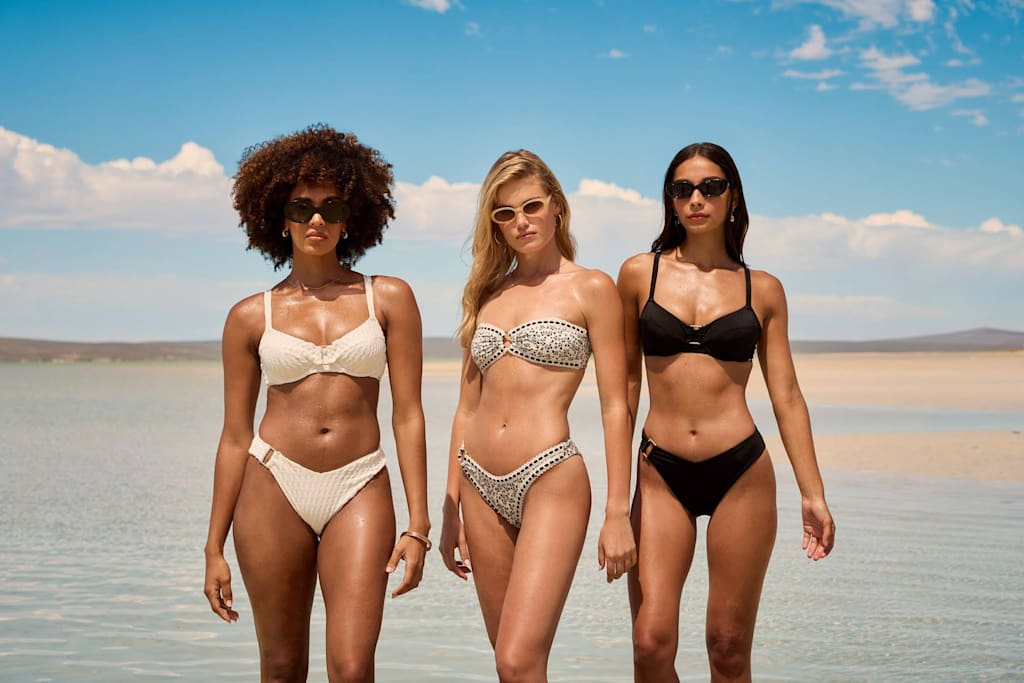
Achieving an even, sun-kissed glow without visible tan lines has long been a summer goal for many beachgoers. In recent years, tan-through swimwear has emerged as a niche but increasingly popular solution. These garments, often referred to as bikinis sun through designs, are made using specially engineered fabrics that allow a portion of sunlight to pass through the material. While the concept sounds simple, the reality involves a blend of textile innovation, personal preference, and careful consideration of skin health.
This article explores ten notable types of tan-through bikinis and one-pieces, while also examining how tan through swimsuits fit into modern swimwear culture.
Understanding Tan-Through Technology
Tan-through swimwear is typically made from micro-perforated or ultra-light fabrics designed to let ultraviolet (UV) rays reach the skin. Unlike traditional swimwear, which blocks most sunlight, these garments aim to reduce tan lines by allowing partial exposure.
However, it is important to note that “tan-through” does not mean full UV transmission. Most fabrics still provide some level of coverage, and the effectiveness varies depending on material thickness, color, and weave density.
10 Notable Tan-Through Styles
Rather than focusing on brands, it is more useful to understand the categories and styles that define this segment of swimwear.
1. Classic String Bikini
Minimal coverage designs are often the most effective for even tanning. Thin straps and smaller fabric panels allow greater sun exposure.
2. Micro-Mesh Bikini Sets
These are specifically engineered with breathable mesh fabrics that maximize light penetration while maintaining structure.
3. Sporty Crop-Top Bikinis
A more functional option, these provide better support but slightly reduce tanning efficiency due to increased coverage.
4. High-Waisted Tan-Through Bikinis
Popular for their retro aesthetic, these offer more coverage while still using light-permeable materials.
5. Triangle Bikini Variations
A staple in swimwear, triangle tops made with tan-through fabric balance style and practicality.
6. Sheer-Effect One-Pieces
These One-Pieces are designed to look opaque while still allowing sunlight through specialized fabric technology.
7. Cut-Out One-Pieces
Strategically placed cut-outs enhance sun exposure while maintaining a one-piece silhouette.
8. Athletic One-Pieces
Designed for swimming or beach sports, these prioritize comfort and movement over maximum tanning.
9. Wrap-Style Bikinis
Adjustable wrap designs allow users to reposition straps and minimize uneven tan lines.
10. Seamless Minimalist Designs
These focus on reducing seams and stitching, which can otherwise create unwanted tan marks.
Cultural and Historical Context
The desire for minimal tan lines is not new. Since the introduction of the modern bikini in the mid-20th century, swimwear has continuously evolved toward smaller, more revealing designs. According to historical accounts of the bikini’s development, fashion has often balanced modesty, functionality, and aesthetics.
Tan-through swimwear represents a technological extension of this evolution—an attempt to maintain coverage while achieving the visual effect of minimal clothing.
Benefits of Tan-Through Swimwear
One of the main appeals of tan-through garments is the potential for a more uniform tan. For individuals who spend extended time in the sun, reducing harsh tan lines can be aesthetically desirable.
Additionally, many of these fabrics are lightweight and quick-drying, making them comfortable in hot weather. The breathable nature of micro-perforated textiles can also improve airflow, reducing discomfort during prolonged wear.
Limitations and Considerations
Despite their appeal, tan-through swimsuits are not without drawbacks.
1. UV Exposure Risks
Allowing more sunlight to reach the skin increases the risk of overexposure. Proper use of sunscreen remains essential, even under these garments.
2. Durability Concerns
Ultra-light fabrics may wear out faster than traditional swimwear, particularly with frequent use in saltwater or chlorinated pools.
3. Transparency Issues
Some designs may appear more sheer when wet, which may not align with everyone’s comfort level.
4. Uneven Results
Factors such as body positioning, movement, and inconsistent sun exposure can still lead to uneven tanning.
Choosing the Right Option
Selecting the right tan-through swimwear depends on individual priorities. Those seeking maximum tanning efficiency may prefer minimal designs, while others might prioritize comfort, support, or modesty.
Fabric quality, fit, and intended use (lounging vs. active swimming) should all be considered. It is also advisable to test comfort and opacity in different conditions before relying on a particular piece for extended wear.
Final Thoughts
Tan-through swimwear, including bikinis sun through styles and lightweight one-pieces, reflects a broader trend in fashion where innovation meets lifestyle preferences. While these garments offer a potential solution to tan lines, they are not a perfect or risk-free option.
Ultimately, achieving a seamless summer glow involves more than just clothing. Sun safety, skin type, and realistic expectations all play crucial roles. As with many fashion innovations, tan-through swimwear is best approached as a complementary option rather than a complete solution.
About the Creator
Enjoyed the story? Support the Creator.
Subscribe for free to receive all their stories in your feed.
Comments
There are no comments for this story
Be the first to respond and start the conversation.