
Safety Features and Standards for Double Girder EOT Crane Operations
Ensuring Optimal Safety: Key Features and Regulatory Standards for Double Girder EOT Cranes

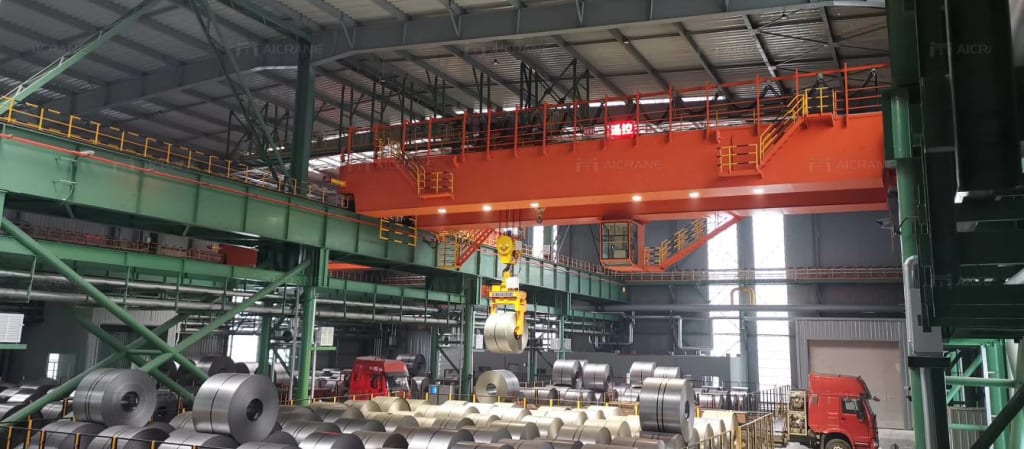
Double Girder Electric Overhead Traveling (EOT) cranes are integral to many industrial and manufacturing operations, offering robust lifting capabilities and efficient material handling. However, their operation involves significant risks, making safety a paramount concern. This article delves into the critical safety features and standards that govern the safe operation of double girder EOT cranes.
Understanding Double Girder EOT Cranes
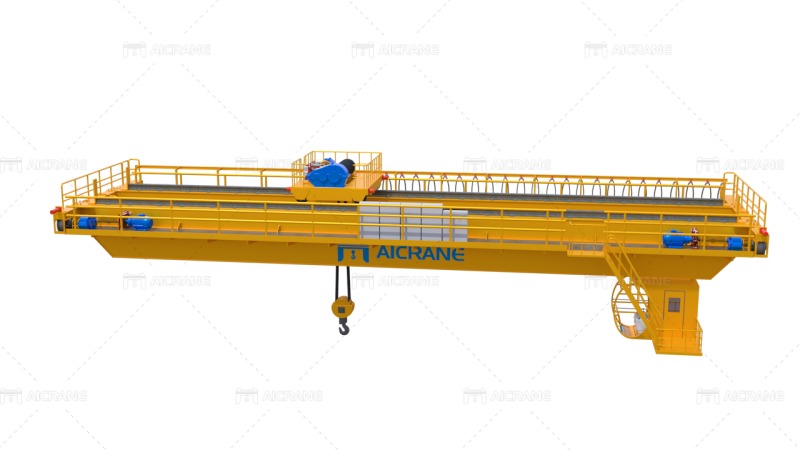
Before exploring the safety features and standards, it’s essential to understand what double girder EOT cranes are. These cranes consist of two parallel girders supporting the trolley and hoist, which travel along the length of the bridge. They are preferred for heavy-duty applications due to their higher load capacity and greater lifting height compared to single girder cranes.
Key Safety Features of Double Girder EOT Cranes
Double girder EOT cranes are equipped with a variety of safety features designed to protect operators, loads, and infrastructure:
Overload Protection: This feature prevents the crane from lifting loads beyond its rated capacity. Sensors detect when the load exceeds the maximum limit, triggering an alarm and stopping the lifting operation.
Anti-Collision Systems: To prevent collisions with other cranes or obstacles, anti-collision systems use sensors to detect nearby objects and automatically slow down or stop the crane.
Emergency Stop: An emergency stop button is strategically placed to allow operators to halt all crane movements instantly in case of an emergency, reducing the risk of accidents.
Limit Switches: These are installed at various points on the crane to restrict its movement within predefined limits, preventing over-travel of the hoist, trolley, and bridge.
Sway Control: Advanced cranes feature anti-sway technology that minimizes the swinging of the load during movement, enhancing load stability and reducing the risk of accidents.
Brake Systems: Modern EOT cranes are equipped with fail-safe brakes that automatically engage in case of power failure or when the crane is stationary, ensuring the load remains secure.
Load Indicators: Digital load indicators display the weight of the load being lifted, allowing operators to monitor and ensure it is within safe limits.
Wire Rope and Chain Safety: High-quality wire ropes and chains with adequate safety factors are used to prevent snapping under load. Regular inspections are mandatory to check for wear and tear.
Operator Cabins and Controls: Ergonomically designed operator cabins with clear visibility and intuitive controls reduce operator fatigue and enhance safety. Remote control options further minimize the risk to operators by allowing them to operate the crane from a safe distance.
Regulatory Standards for EOT Crane Safety
Compliance with regulatory standards is crucial to ensure the safe operation of double girder EOT cranes. Several national and international organizations set these standards, including:
OSHA (Occupational Safety and Health Administration): OSHA sets forth regulations for crane operation in the workplace to ensure the safety and health of workers. Key OSHA standards for cranes include proper training for operators, regular inspections, and maintaining safe working conditions.
ASME (American Society of Mechanical Engineers): ASME provides detailed standards for the design, construction, maintenance, and operation of overhead cranes. ASME B30.2 specifically addresses overhead and gantry cranes, including safety requirements and inspection guidelines.
ISO (International Organization for Standardization): ISO standards, such as ISO 9927-1 for crane inspections and ISO 4301-1 for crane classification, ensure cranes are designed, maintained, and operated according to international safety criteria.
FEM (Fédération Européenne de la Manutention): FEM provides comprehensive guidelines for the design, manufacturing, and testing of cranes. Compliance with FEM standards ensures cranes meet European safety and performance benchmarks.
Implementing Safety Procedures and Training
Beyond built-in safety features and compliance with standards, implementing robust safety procedures and training programs is vital:
Operator Training: Comprehensive training programs for crane operators should cover safe operating procedures, emergency protocols, and routine maintenance checks. Operators should be certified and undergo regular refresher courses.
Regular Inspections and Maintenance: Routine inspections are critical to identify and address potential issues before they lead to accidents. Maintenance schedules should include checks for wear and tear on critical components like wire ropes, brakes, and electrical systems.
Safety Audits: Periodic safety audits by internal or external experts can help identify gaps in safety protocols and ensure compliance with standards. Audits should review operator practices, equipment condition, and the effectiveness of safety measures.
Incident Reporting and Analysis: Establish a system for reporting and analyzing incidents and near-misses. Understanding the root causes of these events can help in developing strategies to prevent future occurrences.
Clear Communication: Effective communication among all personnel involved in crane operations is crucial. Use signals, radios, or other communication tools to ensure clear instructions and warnings.
Innovations in Crane Safety Technology
Advancements in technology continue to enhance crane safety. Some notable innovations include:
IoT and Real-Time Monitoring: Internet of Things (IoT) technology enables real-time monitoring of crane operations, providing data on load weights, crane movements, and potential faults. This data can be used for predictive maintenance and to prevent accidents.
Automated Systems: Automation reduces the reliance on human operators and minimizes the risk of human error. Automated cranes can perform complex lifting tasks with high precision and safety.
Virtual Reality (VR) Training: VR training programs offer a safe and immersive environment for operators to practice crane operations and emergency procedures, enhancing their skills without real-world risks.
Safety is paramount in the operation of double girder EOT cranes. By incorporating advanced safety features, adhering to regulatory standards, and implementing comprehensive safety procedures and training programs, the risks associated with crane operations can be significantly reduced. As technology evolves, the integration of innovative safety solutions will further enhance the safety and efficiency of these critical industrial tools. Investing in safety not only protects workers and assets but also ensures the sustained productivity and reliability of crane operations.
About the Creator
Aicrane Group
Aicrane is a professional fabrication and trade integration enterprise in Overhead Crane, Gantry Crane, Rubber Tire Gantry Crane, Boat Lift, Steel Structure Workshop, Construction Winch, Marine Winch,etc.
Enjoyed the story? Support the Creator.
Subscribe for free to receive all their stories in your feed.
Comments