
React Web App Development
Learn about React web development: steps, common app types, potential costs, and challenges.

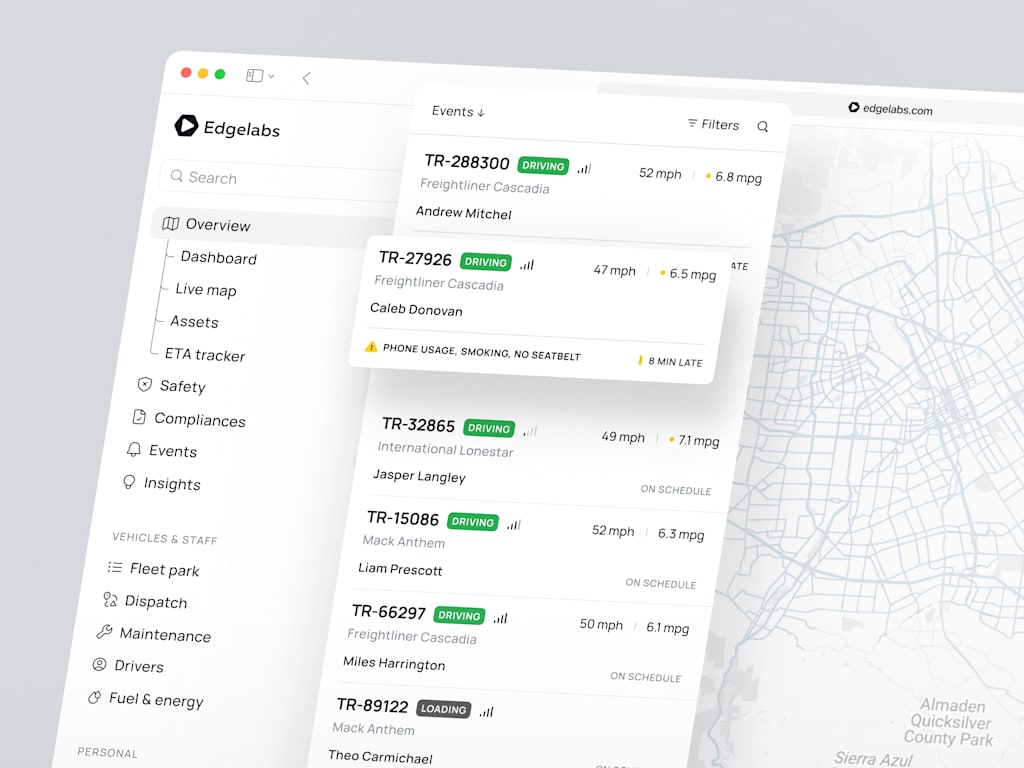
Creating applications with React often appears straightforward until you dive into the actual product strategy. Initially, the requirement seems basic: “we need a user interface.” However, you soon discover that the solution must support user roles, analytical dashboards, rapid search capabilities, payment processing, data visualizations, responsive layouts for mobile devices, administrative controls, potentially a unified design language, server-side rendering, and numerous third-party connections that were absent from early discussions. This is typically where React proves its worth. It isn’t a miracle solution, and I remain wary of any technology marketed as such. Nevertheless, React excels at a highly practical task: enabling groups to construct interfaces using modular building blocks, allowing for continuous refinement without causing the entire system to become chaotic.
If you are evaluating React-based solutions for a software-as-a-service offering, an internal tool, a digital marketplace, or a content-rich platform, this overview will explain the fundamentals of React, the reasons behind its widespread adoption, the typical workflow, potential pitfalls, and strategies for selecting the right development team.
Understanding React Development
React is a JavaScript toolkit designed for crafting user interfaces. Its official documentation defines it as a method for assembling UIs from discrete units known as components. In simpler terms, this means dividing a screen into smaller sections, assigning specific functions to each, and ensuring they operate in harmony.
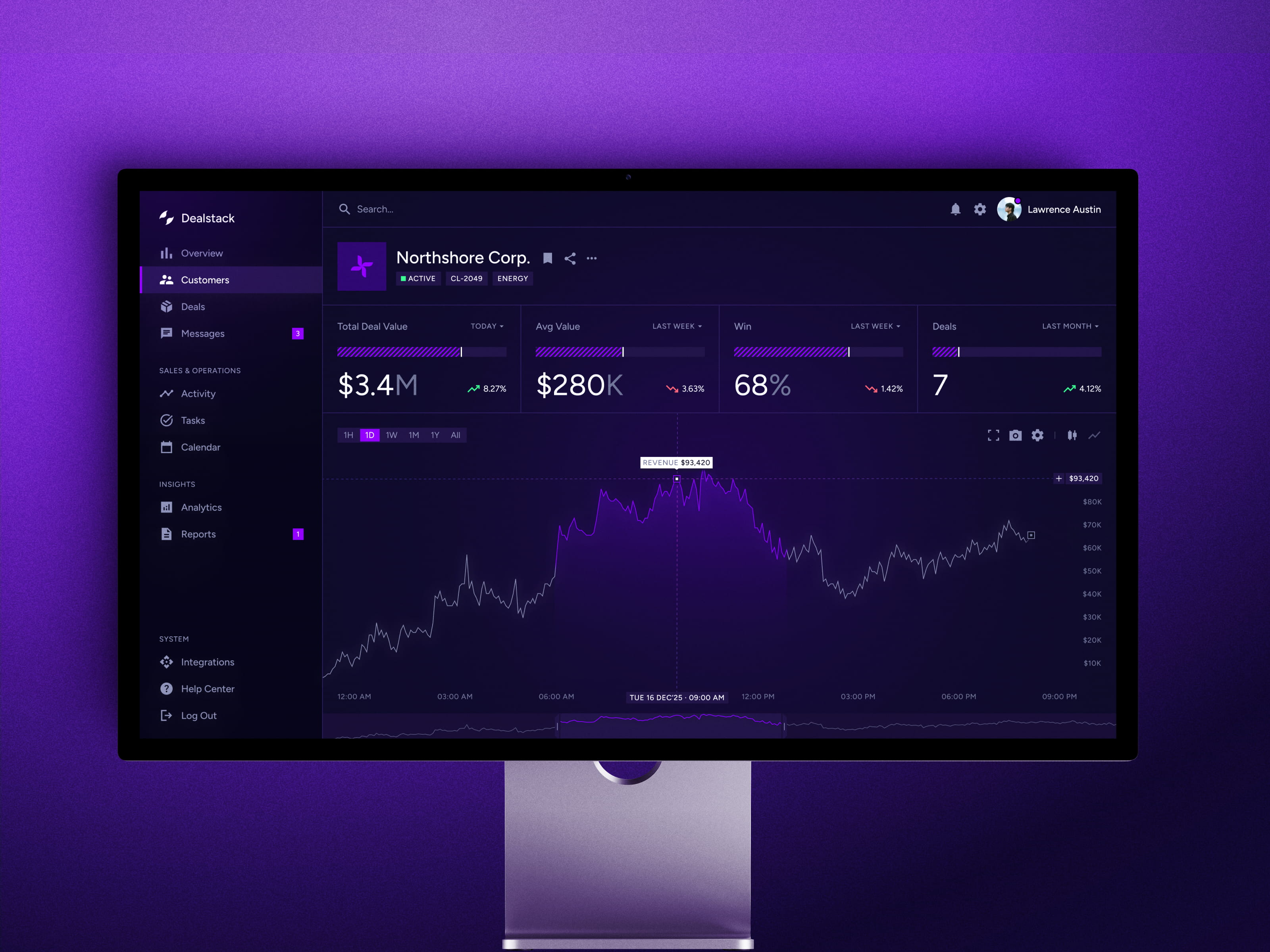
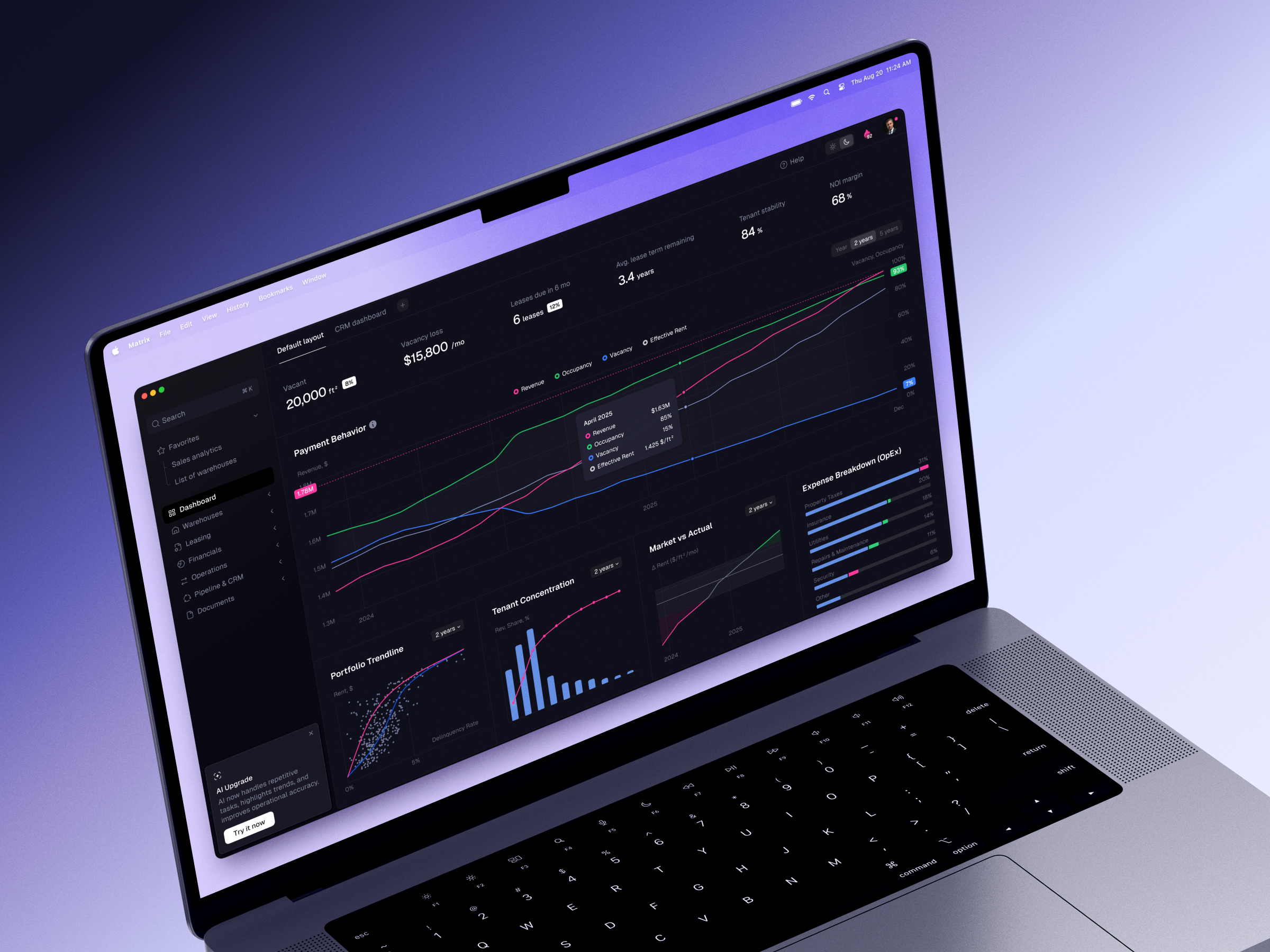
In a practical scenario, consider a control panel. It might include a side menu, a header bar, a notification list, a graph, a data grid, filtering options, and a configuration window. With React, each of these elements can be treated as an independent component. Some are minimal, such as a clickable button, while others are complex, like a full reporting suite. The advantage lies in the ability to repurpose, verify, and modify these elements with minimal disruption.
This modular methodology is a key factor in React’s enduring popularity. It aligns well with contemporary product development workflows. Designers establish consistent visual patterns, engineers convert those into reusable code structures, and product leaders frequently request adjustments. While perhaps not every week, the cycle of iterative change is constant.
The Case for Choosing React
React becomes particularly valuable when your application extends beyond simple, static webpages. If your product involves interactive elements like dashboards, complex forms, live data feeds, intricate navigation structures, or frequent user engagement, React provides a robust framework for managing this inherent complexity.
A primary advantage is the ability to reuse code. You can develop a high-quality input field component once and deploy it across various sections such as user onboarding, payment checkout, profile management, and administrative interfaces. Similarly, a well-constructed table component can be adapted for displaying customer lists, invoice records, analytical reports, and activity logs. While this may seem mundane, this type of efficiency translates into significant cost savings over time.
Furthermore, React boasts an extensive ecosystem. It integrates seamlessly with Next.js for improved search engine optimization and server-side rendering, supports TypeScript for enhanced code reliability, and offers numerous libraries for handling forms and data retrieval. It can also connect with virtually any backend infrastructure. Teams often accelerate their development pace by leveraging existing, well-vetted libraries for common tasks. Although third-party tools can occasionally introduce their own challenges, the broader ecosystem generally serves as a substantial asset.
Another critical factor is familiarity. Since many developers already know React, recruiting talent is simpler compared to niche frameworks. Code reviews become more straightforward, and maintenance is less burdensome because new engineers do not require weeks to grasp the technology stack. This practical benefit is often underestimated.
Typical Applications Built with React
Due to its flexibility, React is utilized in a wide variety of digital products. Common examples include software-as-a-service platforms, administrative dashboards, online marketplaces, e-commerce stores, educational portals, project management systems, and interactive content sites.
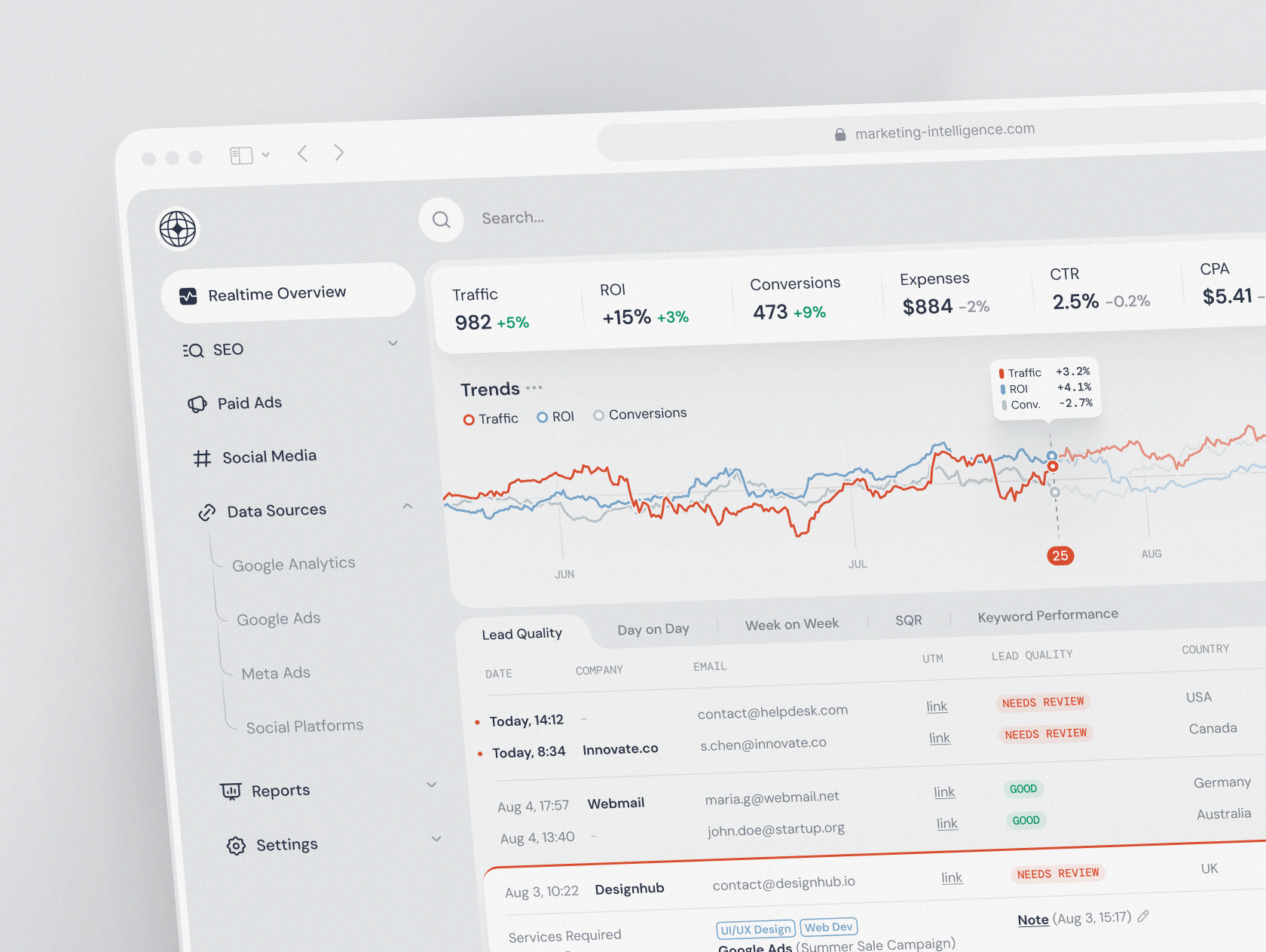
For SaaS applications, React is highly effective because these platforms frequently rely on recurring interface patterns: analytics dashboards, subscription management, team configuration, access controls, integration settings, and guided onboarding sequences. Once the foundational components are established, teams can expand functionality without rebuilding from scratch.
In the context of internal tools, React can streamline workflows that previously depended on spreadsheets, lengthy email threads, or outdated administrative systems that staff avoid using. A modern, intuitive interface can eliminate hours of daily frustration for operational teams, offering a clear improvement in productivity.
For marketplaces and e-commerce sites, React facilitates dynamic features such as product catalogs, advanced filtering, detailed item pages, shopping carts, wishlists, and user accounts. When search visibility is a priority, developers often combine React with Next.js to ensure rapid page loading and better indexing by search engines.
The Workflow for Building React Applications
Phase 1: Initial Discovery
This stage involves defining the application’s core functionality, identifying the target audience, clarifying the business strategy, and prioritizing essential features. While bypassing this step might seem like a time-saver initially, it often leads to significantly higher costs down the line due to rework and misalignment.
Phase 2: Design and Architecture
For robust applications, design goes beyond aesthetics; it establishes clarity for user journeys, edge cases, form interactions, empty states, access controls, and navigation structures. Creating detailed prototypes helps uncover logical flaws early, preventing developers from wasting weeks constructing incorrect solutions.
Following the design phase, the technical architecture is mapped out. Key decisions include choosing between standalone React or frameworks like Next.js, selecting an appropriate backend, determining authentication methods, and identifying necessary third-party API integrations. The team also assesses requirements for real-time data, sophisticated search capabilities, file handling, analytics tracking, and payment gateways.
Phase 3: Implementation
Developers construct the component hierarchy, build out pages, integrate APIs, manage application state, and implement core functionalities. The best approach involves iterative, small-scale releases rather than long periods of silence followed by a massive, untested delivery. Frequent updates facilitate quicker feedback loops and easier adjustments.
Phase 4: Quality Assurance
While testing occurs continuously, it intensifies prior to launch. This includes functional verification, accessibility compliance, performance optimization, cross-browser compatibility checks, and security audits. Although rigorous testing can feel tedious, it becomes second nature with experience. It is far preferable to endure a thorough testing cycle than to face a public failure, such as a broken checkout process on mobile devices.
Phase 5: Launch and Evolution
The final step involves deploying the application and establishing monitoring protocols. However, launch is not the conclusion. Successful web applications continue to evolve post-release. User feedback highlights new needs, analytics reveal areas for improvement, and emerging technologies offer fresh integration opportunities, allowing the product to become more refined over time.
Typical Pitfalls in React Development
The flexibility React offers is a double-edged sword; while it empowers teams, it can also result in disorganized codebases if clear guidelines are not established.
A frequent stumbling block is the over-engineering of state management. Developers often resort to global state solutions for data that could easily be handled locally within a component. Additionally, poor component architecture can arise when elements become overly complex and poorly defined, making future modifications difficult and risky.
Performance degradation is another significant concern. Issues such as excessive re-rendering, bloated JavaScript bundles, inefficient API requests, and uncompressed media can lead to a sluggish user experience. While users may not understand the technical reasons behind the lag, they will simply abandon the platform if it feels unresponsive.
Search engine optimization presents another challenge. While standard single-page applications work well for internal dashboards, public-facing sites and content-rich platforms typically require server-side rendering or static site generation to ensure proper indexing. This is why frameworks like Next.js are frequently adopted alongside React.
Finally, accessibility is often neglected until late in the process. Features such as keyboard navigation, visible focus indicators, sufficient color contrast, proper form labeling, and screen reader compatibility should be integral to the design, not optional add-ons. Experience shows that prioritizing accessibility not only aids users with disabilities but also enhances the overall usability and quality of the interface for everyone.
Identifying the Right Time to Engage External React Experts
Engaging a specialized React development team is advisable when the stakes are high enough that an improvised, "learn-as-you-go" approach poses too much risk. This scenario often applies to projects involving building a new application from the ground up, modernizing legacy frontends, optimizing performance, establishing a comprehensive design system, or transforming a basic prototype into a fully scalable product.
External partners are also valuable when your internal team is capable but already at capacity. This is a common situation: a company may have robust backend engineering resources and perhaps a single frontend developer, yet the product suddenly demands a more refined and sophisticated web interface. Bringing in a dedicated external team allows progress to continue smoothly without requiring your core staff to pause their existing priorities.
However, a competent React development partner should do more than just write code. They ought to proactively raise challenging questions during the early stages: How does the interface behave when there is no data? Who has authorization to view specific reports? What is the user experience if a payment transaction fails? Which elements should prioritize loading on slower network connections? While these inquiries might feel tedious in the moment, they prevent significant issues and rework down the line.
Concluding Remarks
React is an excellent option for web applications that demand sophisticated interfaces, modular design elements, regular iterations, and scalability. However, it is not a cure-all for vague project specifications or poor strategic choices; no technology can compensate for fundamental planning errors. Nevertheless, when paired with a structured workflow and sound architectural principles, React significantly enhances the speed, clarity, and maintainability of the development process.
If you are embarking on a new product journey, the initial priority should not be selecting a technology stack. Instead, focus on deeply understanding your target audience, their operational workflows, and the underlying business logic. Once these foundations are clear, React often emerges as the ideal solution. Furthermore, if speed-to-market is critical without sacrificing stability, collaborating with a team proficient in React, user experience design, backend integration, and deployment strategies can provide a substantial advantage.
About the Creator
Shakuro
We are a web and mobile design and development agency. Making websites and apps, creating brand identities, and launching startups.
Enjoyed the story? Support the Creator.
Subscribe for free to receive all their stories in your feed.
Comments
There are no comments for this story
Be the first to respond and start the conversation.