
Pro-AI Super PAC Launches Campaign to Promote Data Centers
Build American AI plans to spend millions on advertising in Kansas, Ohio, and Wisconsin as opposition to data centers grows

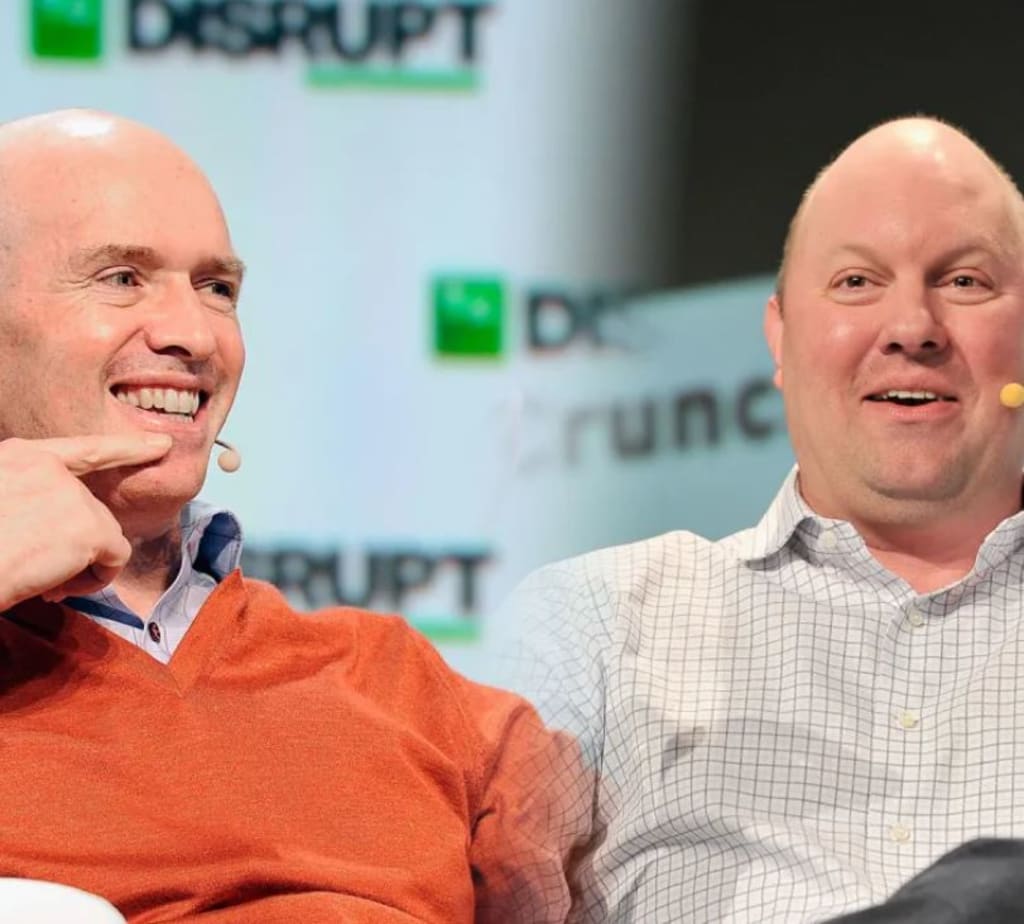
A prominent pro-artificial-intelligence political action committee is backing a new advocacy group that plans to promote data centers in key battleground states, according to several reports.
The organization, called Build American AI, intends to run advertisements highlighting the supposed benefits of data centers and encouraging voters to support their construction in local communities. The campaign will reportedly focus on Kansas, Ohio, and Wisconsin, where debates over data-center projects have become an important issue in statewide politics.
Build American AI told Bloomberg that it plans to spend millions of dollars on the advertising campaign. The group says it is affiliated with Leading the Future, a super PAC that has received substantial financial support from venture capitalists Marc Andreessen and Ben Horowitz, as well as OpenAI President and co-founder Greg Brockman.
The campaign comes as communities across the United States debate the costs and benefits of expanding data-center infrastructure. Data centers are essential for operating artificial-intelligence systems, cloud-computing services, online platforms, and many other digital products. However, they can consume large amounts of electricity and water, raise concerns about noise and land use, and place pressure on local power grids.
Supporters argue that data centers can create jobs, attract investment, strengthen infrastructure, and establish communities as important locations in the emerging AI economy. Critics worry that the economic benefits may not outweigh the environmental and financial costs, particularly if residents face higher utility bills or public resources are used to support private developments.
Those disagreements have become increasingly visible in Kansas, Ohio, and Wisconsin. State and local officials in the three states are weighing proposals that could bring major data-center projects to their regions. The decisions have generated questions about tax incentives, energy consumption, water usage, and the extent to which local residents should have a say in development plans.
Build American AI’s advertisements appear intended to shape that debate by presenting data centers as a necessary part of American technological and economic competitiveness. The group’s message is likely to focus on the argument that the United States must build more infrastructure to compete with China and maintain leadership in artificial intelligence.
Leading the Future launched with more than $50 million in funding, according to Politico. The super PAC has primarily used its resources to support individual politicians, backing candidates who promote AI development and opposing candidates who criticize or seek to restrict the technology.
Sources told Politico that LTF does not simply support candidates who advocate for artificial intelligence. It also works against politicians and activists who campaign against the technology or lobby for stricter regulations. That strategy has made the group an increasingly visible participant in election politics related to AI.
The organization has also attracted criticism over its methods. OpenAI publicly distanced itself from Leading the Future in a blog post published in June, despite the group receiving support from Brockman and his wife, Anna.
“There have been questions around Leading the Future,” OpenAI wrote. The company emphasized that it does not direct LTF’s activities and does not have visibility into its operations.
OpenAI also criticized some of the tactics associated with political campaigns supporting artificial intelligence. The company said groups advocating for AI should clearly explain their policy positions, identify whom they represent, and avoid tactics such as astroturfing.
Astroturfing refers to an organized campaign that is designed to appear as though it reflects spontaneous grassroots support. The practice can involve paid advertisements, coordinated messaging, or groups presenting themselves as independent community organizations despite receiving funding from corporations or wealthy political donors.
OpenAI’s warning is notable because the company has a direct interest in policies affecting AI development and infrastructure. Data centers are particularly important to AI companies because advanced models require large amounts of computing power and specialized hardware. At the same time, the company’s statement reflects concerns that opaque political advocacy could undermine public trust.
Leading the Future is not the only super PAC connected to major technology companies and investors that is promoting an AI-related agenda. Anthropic, another leading AI company, is known to support Public First Action, an organization that favors AI regulation.
The difference between the groups reflects a wider debate within the technology industry. Some investors and companies argue that regulation could slow innovation and weaken American competitiveness. Others support rules governing AI safety, privacy, transparency, labor impacts, and the environmental costs associated with computing infrastructure.
Political spending by Andreessen and Horowitz has made that debate more prominent. The New York Times described the pair as “spending on politics like no other.” According to the newspaper’s calculations, their venture firm, Andreessen Horowitz, has become the largest disclosed donor to the midterm elections so far.
The firm has reportedly distributed more than $115 million in disclosed federal contributions. Its political spending extends beyond AI advocacy. Andreessen Horowitz is also heavily supporting cryptocurrency initiatives, particularly through Fairshake, a crypto-focused super PAC.
The growing role of venture capital money in elections raises questions about the influence of wealthy investors over public policy. Supporters of such spending argue that business leaders have a legitimate interest in shaping regulations that affect innovation and economic growth. Critics say large contributions can give a small number of donors disproportionate influence over political priorities.
The debate over data centers is likely to intensify as AI companies expand. Building and operating advanced models requires enormous computing resources, and that demand is driving the construction of new facilities across the country. Developers are seeking locations with available land, reliable electricity, tax incentives, and access to fiber-optic networks.
Local governments must weigh those potential benefits against the costs. Data centers can create construction jobs and generate tax revenue, but they may employ relatively few people once completed. They can also require new power plants, transmission lines, water systems, and roads.
In some communities, residents have opposed proposed developments because of concerns about electricity prices, environmental impact, or a lack of transparency. Advertising campaigns such as the one planned by Build American AI may attempt to counter that opposition by framing resistance as a threat to technological progress.
The effectiveness of the campaign will depend partly on whether voters view the advertisements as independent public education or as industry-backed political messaging. The group’s affiliation with Leading the Future and the wider network of venture capital donors is likely to attract scrutiny.
For now, Build American AI plans to concentrate its efforts on Kansas, Ohio, and Wisconsin, where data-center policy has become politically consequential. The campaign will test whether voters respond to arguments about jobs and national competitiveness or whether concerns about energy, water, and local control remain more powerful.
The effort reflects a broader shift in AI politics. As artificial intelligence moves from the technology sector into energy policy, elections, economic development, and community planning, the industry’s political supporters are investing heavily in shaping public opinion.
The upcoming advertising campaign is therefore about more than data centers. It is part of a larger struggle over who gets to define the future of AI, how quickly it should expand, and who should bear the costs of building the infrastructure it requires.
About the Creator
Mark Lim
Hi I am mark an automotive student and a car, tech and food enthusiast ! Im gonna try and post daily & hope you enjoy what I write and do share my page with people you know. I would gladly appreciate it! Cheers
Enjoyed the story? Support the Creator.
Subscribe for free to receive all their stories in your feed.
Comments
There are no comments for this story
Be the first to respond and start the conversation.