
Premium Float Glass Gains Attention as Demand for Modern Building Materials Rises
Modern Building Materials Rise
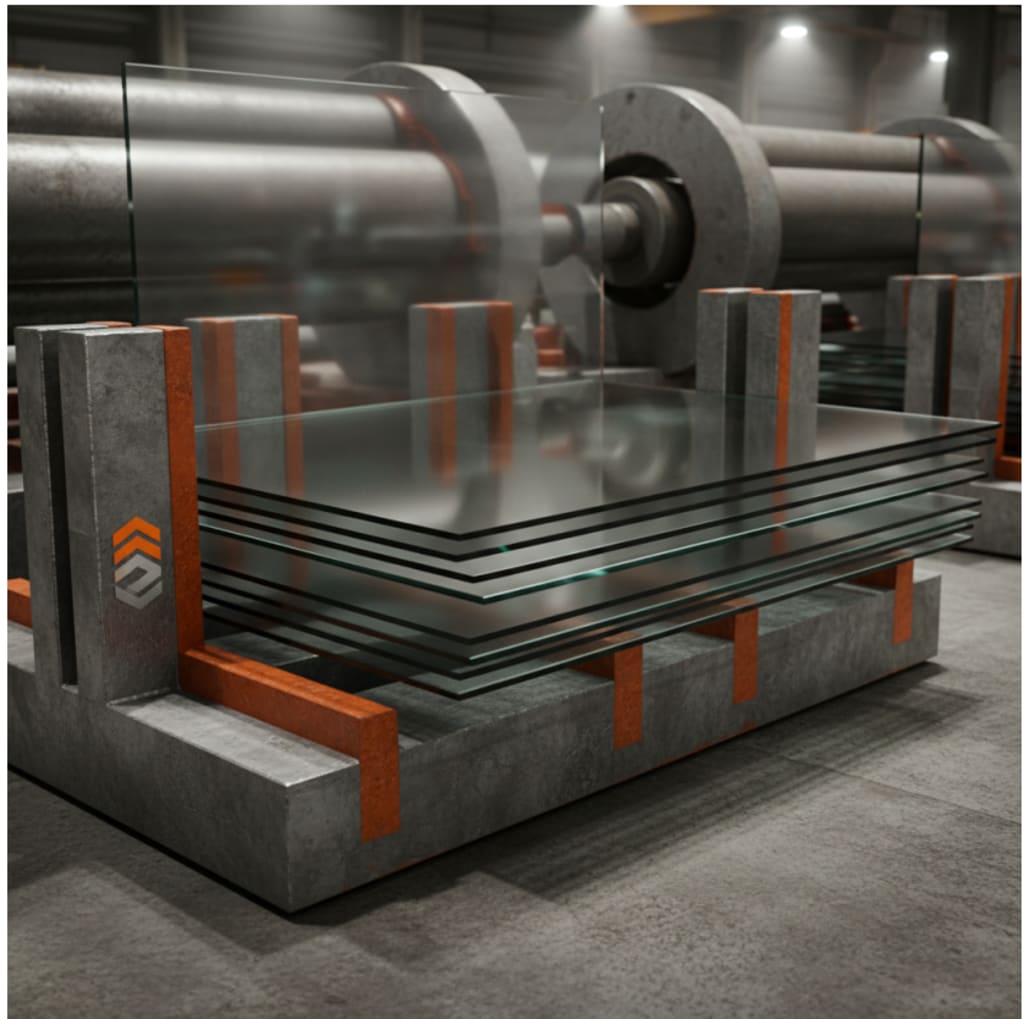
The construction and interior design sectors are evolving rapidly. Architects, developers, and manufacturers are increasingly seeking materials that combine durability, aesthetics, and sustainability. Among these materials, float glass continues to play a significant role in both commercial and residential projects.
Recent market developments show growing demand for high-performance glass solutions. Energy-efficient buildings, modern office spaces, and luxury interiors are driving interest in premium glass products worldwide. As a result, many buyers are actively exploring reliable sources of float glass for sale that meet modern quality standards.
What Exactly is Float Glass and How is it Made?
Float glass is produced using a specialized process where molten glass is poured onto a bed of molten tin. Because the glass floats on the tin, it naturally forms a perfectly flat surface, eliminating the need for costly grinding or polishing. This process results in a product with superior optical quality and a distortion-free finish. When searching for float glass for sale, it is important to recognize that this versatility allows it to be further processed into tempered glass, laminated glass, or mirrored surfaces, making it the primary building block for the entire glass industry.
Industry Insight: The "float" process is what allows for the mass production of large-scale glass sheets with consistent thickness, which is why it remains the most cost-effective solution for commercial glazing.
Why Float Glass Remains an Industry Standard
Float glass is manufactured through a process in which molten glass is poured onto molten tin. This technique creates a smooth and uniform surface without requiring additional polishing. The result is a clear, flat sheet that serves as the foundation for many specialized glass products.
Industry experts note that the float process revolutionized glass manufacturing by enabling large-scale production while maintaining consistent quality. Today, float glass is commonly transformed into tempered, laminated, insulated, and mirrored products.
Growing Applications Across Multiple Industries
The versatility of float glass has expanded its use beyond traditional windows. Modern applications include:
- Residential and commercial glazing
- Interior partitions and decorative panels
- Furniture and tabletops
- Automotive glass manufacturing
- Retail display systems
- Solar energy installations
The increasing focus on natural light in modern architecture has further strengthened demand for high-clarity glass products.
Understanding Available Glass Options
Different projects require different specifications. Clear float glass remains popular for general construction, while low-iron glass is often selected for premium applications where maximum transparency is essential.
Tinted and reflective varieties continue to gain popularity in commercial developments because they help manage solar heat and improve energy efficiency. These options allow designers to balance visual appeal with practical performance requirements.
What Buyers Should Evaluate Before Purchasing
Industry professionals recommend evaluating several factors before selecting a supplier:
Product quality certifications
- Thickness consistency
- Custom cutting capabilities
- Packaging standards
- Delivery reliability
- Technical support services
A reliable supplier can help reduce installation challenges and improve long-term project performance.
Sustainability Becomes a Key Market Driver
Environmental considerations are becoming increasingly important across the construction industry. Glass remains one of the most recyclable building materials available today.Many manufacturers are incorporating recycled glass into production processes. This approach helps reduce energy consumption while supporting broader sustainability goals. Long-lasting glass products also contribute to resource conservation by reducing replacement frequency.
Market Outlook for Premium Float Glass
Industry analysts expect continued growth in the global float glass sector. Smart buildings, energy-efficient construction, and modern urban development projects are expected to support demand over the coming years.
For contractors, architects, and property owners, selecting high-quality float glass remains an important investment. As building standards continue to evolve, premium glass solutions are likely to play an even greater role in shaping modern spaces.
Conclusion
The growing emphasis on sustainable construction, energy efficiency, and contemporary design has increased interest in premium float glass products. With its clarity, versatility, and recyclability, float glass remains a preferred material across numerous industries.
As market demand expands, buyers who prioritize quality, certification, and supplier reliability will be better positioned to achieve long-term value from their glass investments.
About the Creator
Emily Carter
Emily Carter is a freelance writer focused on SEO, digital marketing, content publishing, and online business trends. Her articles provide insights into search optimization, content strategy, and the evolving world of digital media.
Enjoyed the story? Support the Creator.
Subscribe for free to receive all their stories in your feed.
Comments
There are no comments for this story
Be the first to respond and start the conversation.