
Poultry Processing Technology Advances as Demand Grows for Efficient Farm Equipment
Farm Equipment
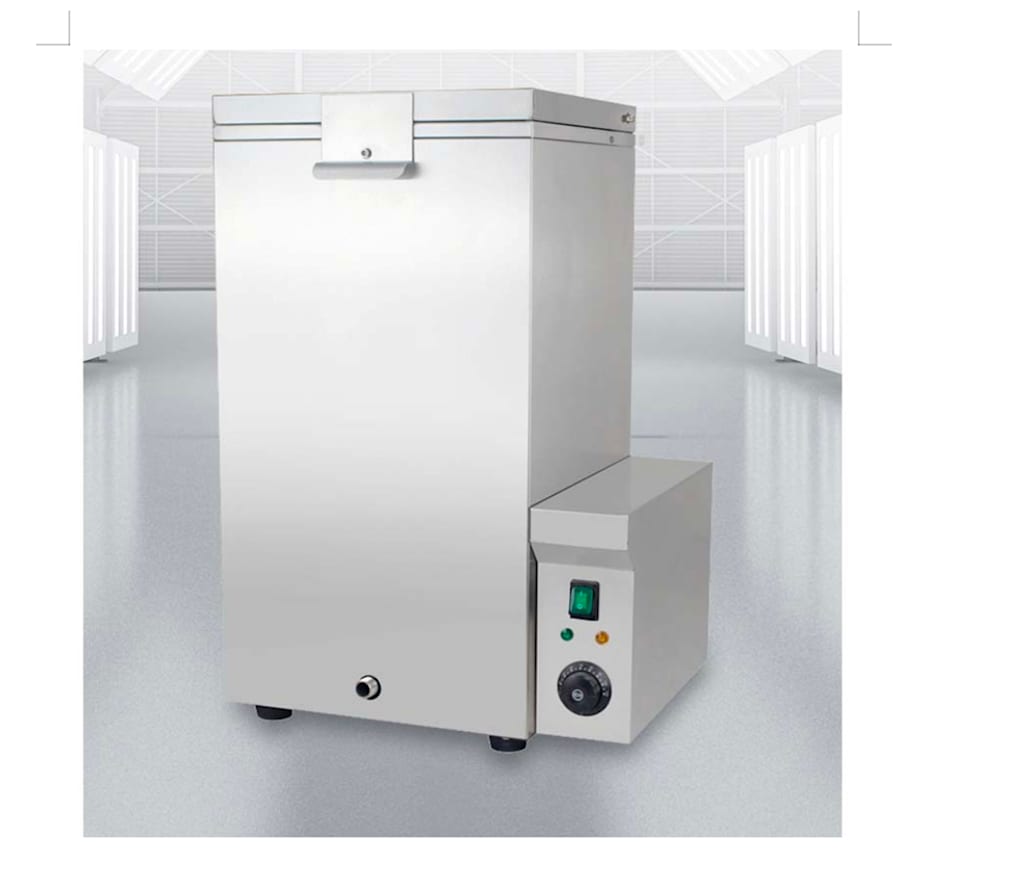
The global poultry industry continues to evolve. Farmers and processors are seeking equipment that improves productivity while maintaining food safety standards. Recent developments in poultry processing technology have highlighted the importance of automated solutions across both small and large operations.
Industry analysts report rising demand for reliable processing systems. Growing poultry consumption and labor shortages have encouraged businesses to invest in modern equipment. Among the most discussed innovations are integrated plucking and scalding systems designed to streamline processing workflows.
Experts believe automation will play a major role in the future of poultry production. Equipment manufacturers are introducing machines that focus on speed, durability, and operational flexibility. These advancements are helping poultry businesses improve efficiency while reducing manual labor requirements.
Poultry Processing Enters a New Era
Traditional poultry processing often requires several labor-intensive steps. Feather removal can be time-consuming when performed manually. Maintaining consistent processing quality can also be challenging.
Modern machinery addresses these concerns. Automated systems combine important processing stages into a more organized workflow. This allows operators to process birds faster and with greater consistency.
Agricultural technology specialists note that equipment modernization is becoming a priority. Farms are increasingly looking for practical solutions that support sustainable production goals.
One example is the use of Chicken Plucker And Scalder systems. These machines combine critical processing functions into a streamlined operation. Their growing adoption reflects broader trends in agricultural automation.
Stainless Steel Construction Gains Industry Attention
Equipment durability remains a key concern for poultry businesses. Processing environments often involve moisture, heat, and frequent cleaning procedures. These conditions require materials that can withstand demanding use.
Stainless steel has become the preferred choice for many manufacturers. Its corrosion resistance helps extend equipment lifespan. The material also supports hygiene requirements in food processing environments.
Recent equipment launches have emphasized stainless steel construction. Industry observers view this trend as an important step toward improving operational reliability.
Maintenance professionals report that durable materials can reduce repair frequency. This contributes to lower operating costs over time. As a result, many poultry businesses now prioritize equipment built with long-lasting components.
Adjustable Features Support Diverse Operations
Not all poultry processing facilities operate at the same scale. Small farms have different needs than commercial processing plants. Equipment flexibility has therefore become a major selling point.
Adjustable systems allow operators to customize processing conditions. This adaptability helps accommodate varying bird sizes and production requirements.
Manufacturers have responded by introducing more user-friendly controls. Temperature settings, processing times, and operational speeds can often be adjusted with ease.
Agricultural equipment consultants believe these features support wider adoption. Businesses can select settings that align with their specific production goals.
This flexibility is especially valuable for growing operations. As processing volumes increase, equipment can often be adapted without requiring immediate replacement.
Faster Processing Supports Production Goals
Speed remains an important factor in poultry processing. Efficient operations can help meet market demand while improving resource utilization.
Modern processing equipment focuses on reducing bottlenecks. Automated feather removal systems can handle larger volumes than traditional methods.
Industry reports suggest that faster processing contributes to improved workflow management. Workers can focus on quality control and other important tasks rather than repetitive manual labor.
Technology adoption studies indicate that processing efficiency often influences investment decisions. Businesses are increasingly evaluating equipment based on long-term productivity benefits.
Integrated processing systems support these objectives by simplifying operational procedures. The result is a more streamlined production environment.
Food Safety Remains a Central Priority
Food safety standards continue to shape equipment design. Regulatory expectations and consumer awareness have encouraged manufacturers to improve sanitation features.
Modern poultry equipment often includes smooth surfaces and easy-clean components. These design elements help reduce contamination risks.
Stainless steel construction further supports sanitation efforts. Cleaning procedures can be completed more effectively when equipment materials resist corrosion and buildup.
Food industry specialists emphasize the importance of maintaining hygienic processing conditions. Equipment that supports routine cleaning can contribute to overall operational compliance.
As food safety requirements evolve, manufacturers are expected to continue enhancing sanitation-focused designs.
Technology Acceptance Expands Across Agriculture
Technology acceptance has become a major topic within agricultural communities. Farmers are increasingly recognizing the value of automation and digital solutions.
Research shows that practical benefits often drive adoption decisions. Equipment that saves time and improves consistency tends to gain industry attention.
Poultry processing technology reflects this trend. Automated systems provide measurable advantages in productivity and workflow management.
Educational programs and industry events have also contributed to awareness. Producers are learning how modern equipment can support business growth.
Many experts believe technology acceptance will continue rising as equipment becomes more accessible and user-friendly.
Sustainability Considerations Influence Equipment Choices
Sustainability remains a significant focus across the agricultural sector. Businesses are evaluating equipment based on both operational performance and environmental impact.
Efficient machinery can support resource conservation goals. Reduced processing times may contribute to lower energy consumption in certain operations.
Durable equipment also supports sustainability objectives. Products designed for long service life generate less waste than frequently replaced alternatives.
Industry discussions increasingly highlight the connection between efficiency and environmental responsibility. Manufacturers are responding by emphasizing durability and performance improvements.
These developments align with broader efforts to create more sustainable food production systems.
Global Market Growth Encourages Innovation
The poultry industry continues expanding in many regions. Rising protein demand has encouraged investment throughout the production chain.
Equipment manufacturers are competing to deliver innovative solutions. Research and development efforts focus on improving reliability, efficiency, and ease of operation.
Market analysts expect continued growth in processing technology adoption. Businesses seeking competitive advantages are likely to invest in modern equipment.
This environment encourages ongoing innovation. New features and design improvements are expected to emerge as industry requirements evolve.
Technology providers view automation as a key driver of future growth. Their investments reflect confidence in the long-term potential of advanced poultry processing solutions.
Looking Ahead
The future of poultry processing appears increasingly connected to automation and durable equipment design. Industry stakeholders continue seeking solutions that improve efficiency while supporting food safety objectives.
Integrated systems are gaining recognition for their ability to simplify workflows. Adjustable controls and stainless steel construction further enhance their appeal.
The growing interest in Chicken Plucker And Scalder technology illustrates broader changes occurring across agriculture. Producers are embracing equipment that supports productivity and operational consistency.
As global demand for poultry products increases, technology adoption is expected to accelerate. Businesses that invest in efficient processing solutions may be better positioned to meet future market expectations.
About the Creator
Emily Carter
Emily Carter is a freelance writer focused on SEO, digital marketing, content publishing, and online business trends. Her articles provide insights into search optimization, content strategy, and the evolving world of digital media.
Enjoyed the story? Support the Creator.
Subscribe for free to receive all their stories in your feed.
Comments
There are no comments for this story
Be the first to respond and start the conversation.