
Payment Gateway Software Development: Building the Part That Can’t Be Wrong
Learn how payment gateway software is built, how it works behind the scenes, and what it takes to make it secure, reliable, and ready to scale.
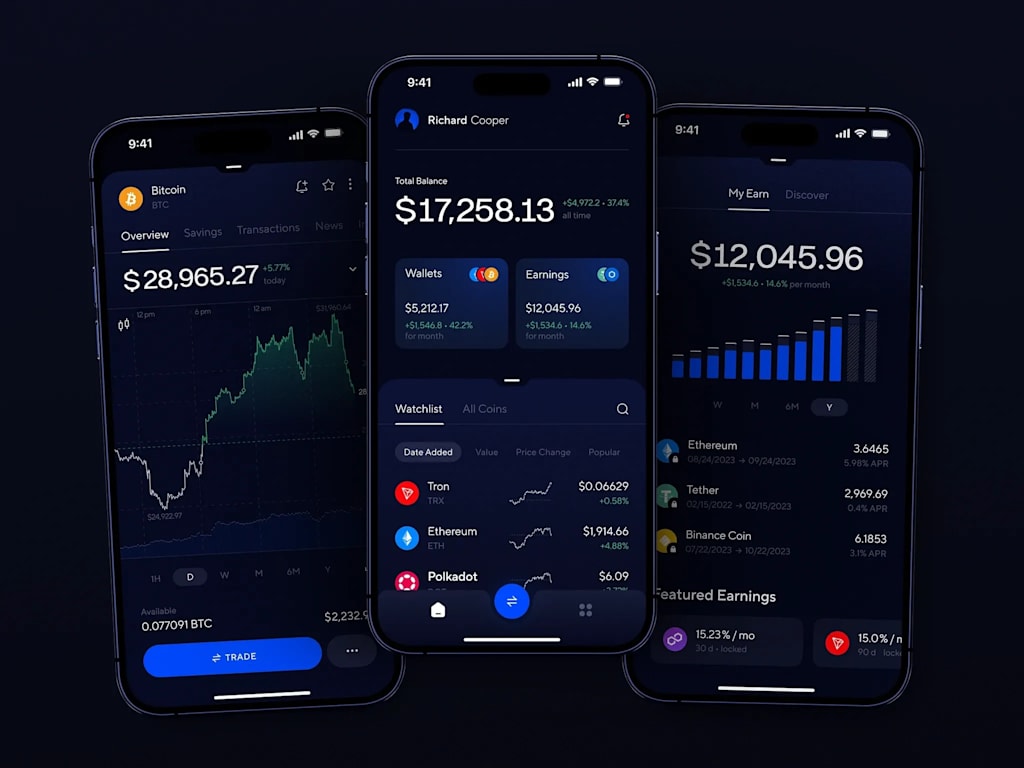
A payment screen looks simple because most of the hard work is hidden. The user types card details, taps a button, and expects a result in two seconds. Under the hood, you’re coordinating systems you do not own, over networks you do not control, while trying to make sure money is never charged twice and transactions never disappear.
That is why payment gateway development is not really about checkout screens. It is about designing a system that stays correct when the real world gets messy. Security matters, of course, but so do timeouts, retries, late callbacks, and fraud signals that change over time. This is also why teams building serious payment products often pair core gateway logic with AI risk controls early, not as decoration, but because static rules stop being enough once transaction volume grows.
The gateway is a translator, not a cashier
A payment gateway does not move money by itself. It translates intent into a transaction that banks, processors, and card networks can understand, then translates their responses back into something your product can use.
That sounds straightforward until you realize each participant speaks a slightly different dialect. One provider returns clear statuses. Another sends vague error codes. One bank answers instantly. Another answers late, or not at all, and follows up with a webhook thirty seconds later.
So the real job of the gateway is consistency. It has to take a messy chain of external interactions and present a clean internal model to the rest of your product.
The happy path is not the system
Most diagrams of payment flows are fiction. They describe what happens when everything works.
Real systems are defined by what happens when things do not.
A user clicks Pay twice because the button looked frozen. A processor accepts the request but the response times out. The bank declines the transaction, then a delayed success event arrives from somewhere else in the chain. These are not edge cases in the moral sense. They are routine events in distributed systems.
A solid gateway is built around four ideas:
- Idempotency. The same request must not create two charges.
- State management. A payment is not just approved or declined. It may be pending, authorized, captured, reversed, refunded, or disputed.
- Observability. When something breaks, logs must explain what happened without requiring forensic archaeology.
- Failure tolerance. Partial outages are normal. The system has to behave predictably anyway.
Security is architecture
Teams often talk about security as though it were a layer you apply near the end, like varnish. In payment software, security is the architecture.
You design the system to minimize exposure from the start. That means tokenization instead of storing raw card data, strict boundaries around sensitive operations, limited access paths, audit trails, and infrastructure that assumes failure and abuse are normal conditions. Compliance standards such as PCI DSS are not paperwork. They are design constraints.
The same applies to fraud prevention. At low volume, simple rules work fine. Block suspicious geographies, flag repeated attempts, watch unusual amounts. Then the product grows, legitimate behavior becomes more varied, and rule sets start doing two bad things at once: missing fraud and annoying real users.
That is when payment engineering becomes less about forms and APIs and more about signal quality.
How sensible teams build one
The mistake is trying to build a universal payment platform on day one. Most successful systems start narrow.
One provider. One region. A small number of payment methods. Clean transaction states. Good admin visibility. Proper retries. Reliable webhooks. Strong audit logs.
Then you expand.
This is less glamorous than talking about global coverage and omnichannel orchestration, but it is how you stay sane. Payment systems become dangerous when ambition outruns control. Every extra provider, market, and method multiplies the number of states you have to reason about.
Mobile adds another layer of complexity. Users are less patient, device flows behave differently, and Apple Pay or Google Pay cannot be treated as just smaller versions of web checkout. If payments are a serious part of the product, they should be designed with native mobile apps in mind from the beginning, not adapted later from a desktop-first flow.
What matters in the end
A payment gateway is good when users barely notice it and operators can trust it. That sounds modest, but it is a high bar.
It means the system is secure without becoming fragile, reliable without becoming rigid, and scalable without turning into a pile of exceptions. It means your team can answer simple but important questions at any moment: What happened to this transaction? Why did it fail? Can it be retried? Is the customer safe?
That is the real work in payment gateway development. Not adding payments, but building the part of the product that cannot afford ambiguity.
About the Creator
Enjoyed the story? Support the Creator.
Subscribe for free to receive all their stories in your feed.
Comments
There are no comments for this story
Be the first to respond and start the conversation.