
Overhead Crane Installation and Maintenance Costs: What to Expect
A Comprehensive Guide to Understanding Installation and Maintenance Expenses for Overhead Cranes

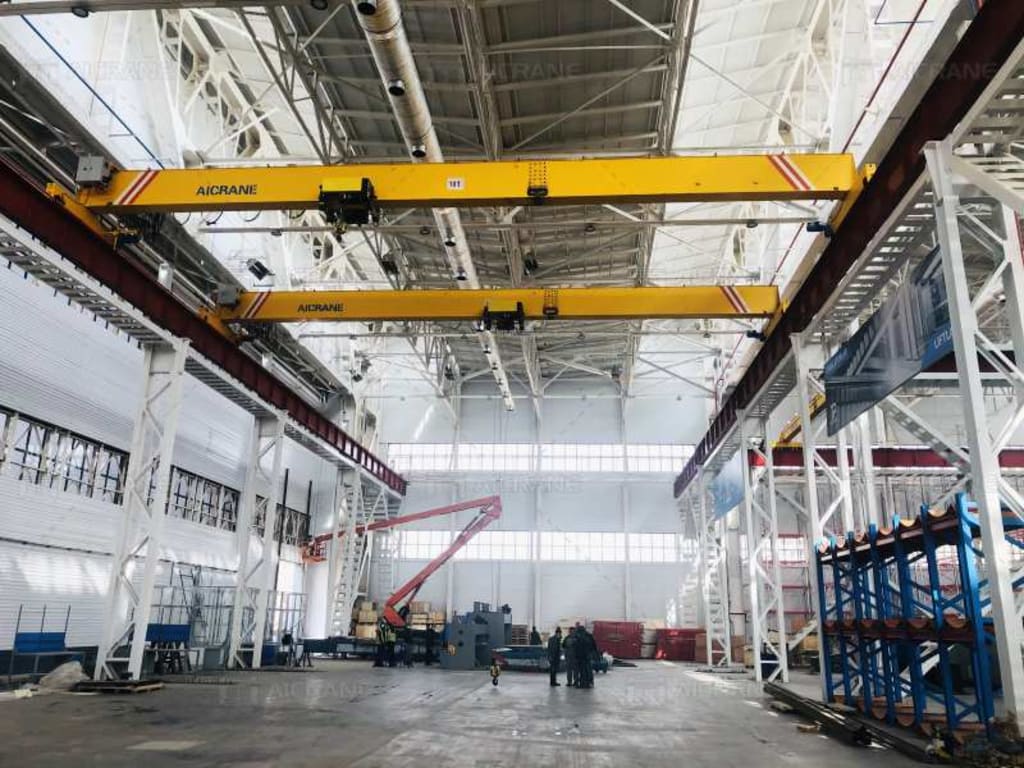
Overhead cranes are essential in many industries, from manufacturing to construction and warehousing. They improve operational efficiency and safety by lifting and transporting heavy loads with ease. However, the cost of owning an overhead crane extends beyond its initial purchase price. Installation and maintenance costs are significant factors that businesses must consider. This article provides an in-depth analysis of the costs associated with hoist overhead crane installation and maintenance, helping businesses budget effectively.
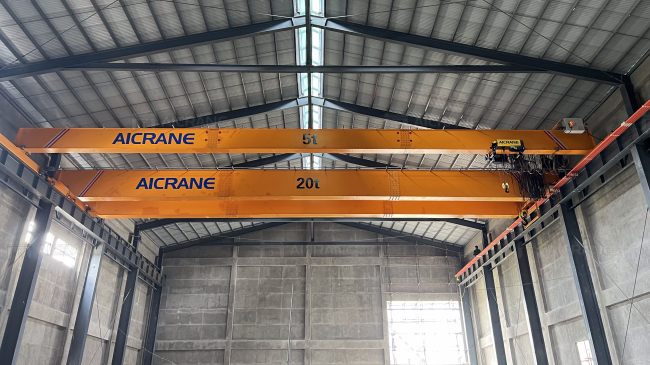
Factors Affecting Overhead Crane Installation Costs
The installation cost of an overhead crane depends on several factors, including the type of crane, its capacity, and site-specific requirements. Here are the key elements that influence installation costs:
1. Type of Overhead Crane
Different types of overhead cranes come with varying installation costs. For example:
Single-girder overhead cranes are more affordable to install due to their simpler structure.
Double-girder overhead cranes require more materials and labor, increasing installation costs.
Gantry cranes and workstation cranes may have additional foundation requirements, further impacting costs.
2. Capacity and Span
Higher-capacity cranes with longer spans require more robust structural support, increasing the cost of materials and labor. A 10-ton hoist overhead crane will have a lower installation cost than a 50-ton model due to structural and component differences.
3. Building Modifications
If the facility lacks the necessary infrastructure, modifications such as reinforcing beams, adding runways, or increasing ceiling height can add to the overall installation cost.
4. Labor and Permits
The complexity of the installation process affects labor costs. Additionally, obtaining permits and ensuring compliance with safety regulations may contribute to overall expenses.
Estimated Installation Costs
On average, the installation of an overhead crane can range from $10,000 to $50,000, depending on the factors mentioned above. Custom-built cranes or those installed in complex environments may exceed this range.
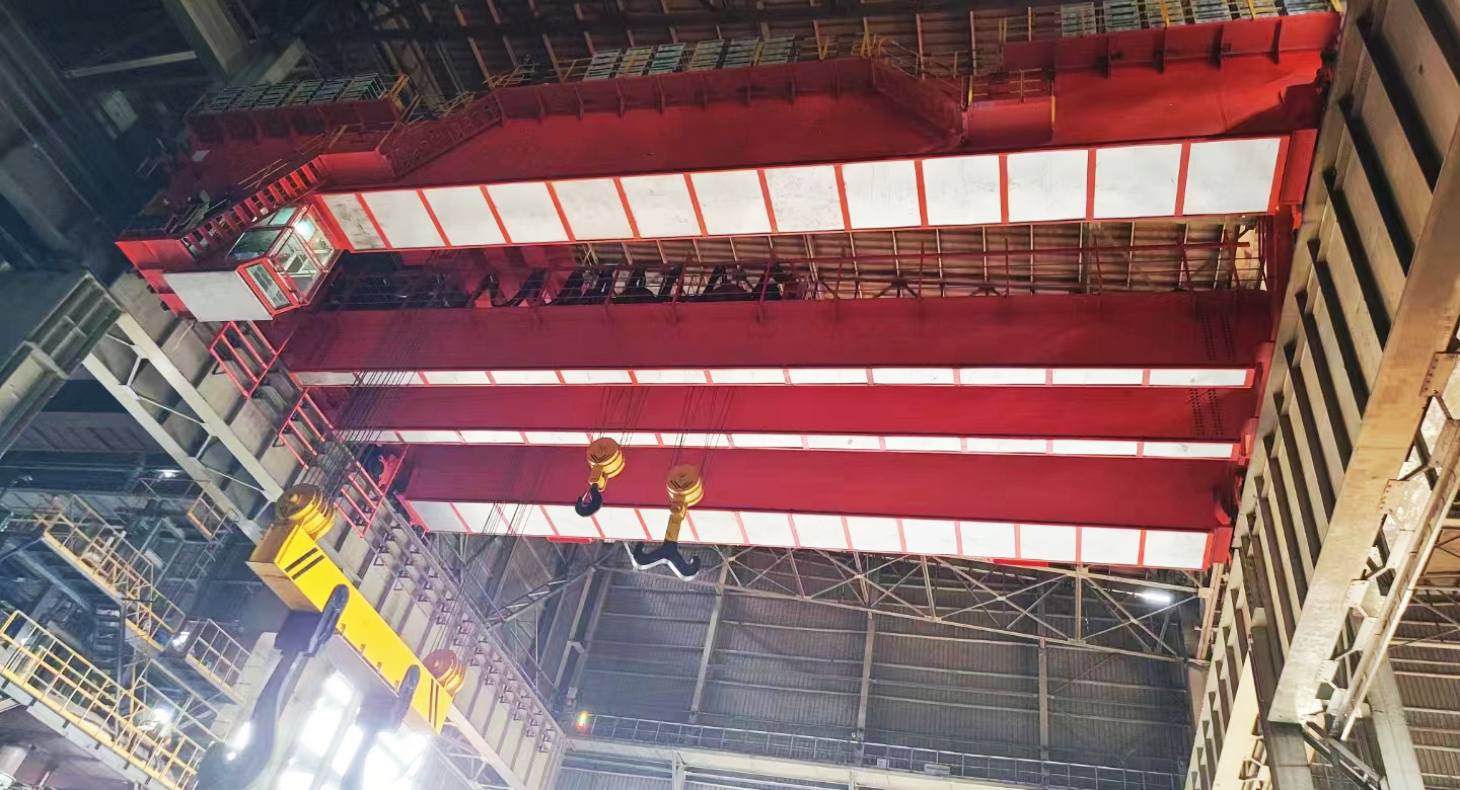
Overhead Crane Maintenance Costs
Regular maintenance is crucial to ensure the longevity and safety of an overhead crane. Failure to maintain a hoist overhead crane can lead to unexpected breakdowns, costly repairs, and potential safety hazards. Here’s a breakdown of maintenance costs:
1. Routine Inspections and Preventive Maintenance
Routine inspections help identify potential issues before they become major problems. The cost of routine maintenance includes:
Annual inspections ($500 - $2,000 depending on the crane’s size and complexity)
Lubrication and adjustments ($200 - $1,000 per visit)
Wire rope and hook inspections (included in regular servicing)
2. Component Replacements
Certain parts of an overhead crane experience wear and tear over time. The cost of replacing components varies:
Wire ropes: $1,000 - $5,000
Hoists: $2,000 - $20,000 (depending on capacity and type)
Brakes and controls: $500 - $5,000
3. Emergency Repairs
Unexpected breakdowns can result in costly emergency repairs. Emergency service calls may cost between $1,500 and $10,000, depending on the issue’s severity and the required parts.
4. Operator Training and Safety Compliance
Proper training reduces the likelihood of accidents and equipment damage. The cost of operator training varies but typically ranges from $500 to $3,000 per employee, depending on the training program and certification requirements.
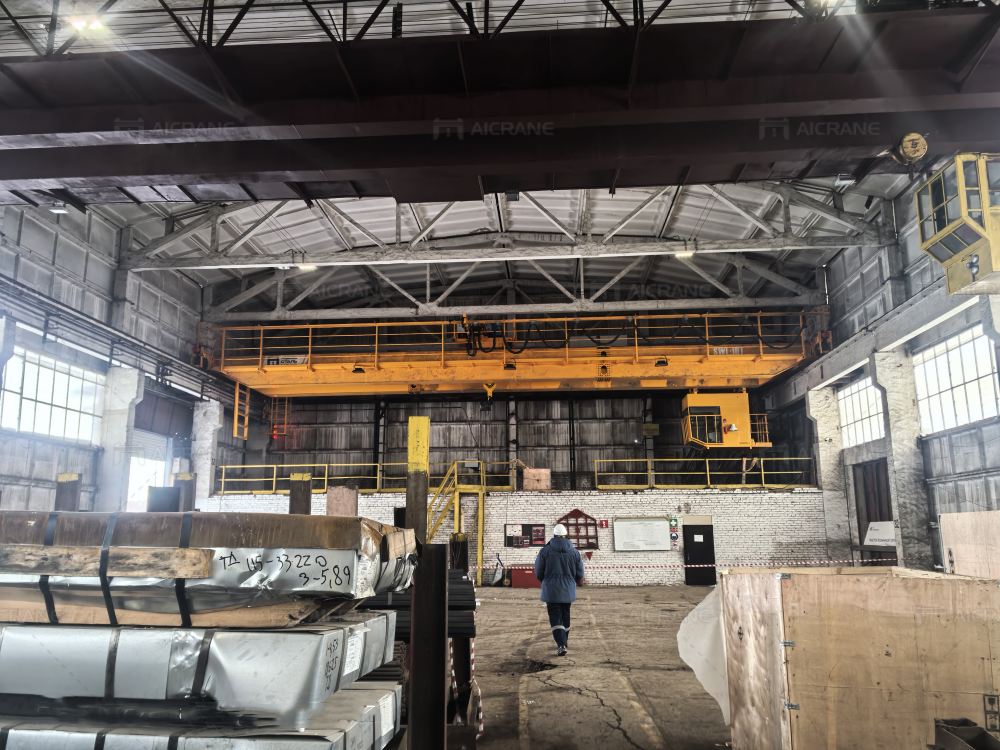
Cost-Saving Tips for Overhead Crane Installation and Maintenance
To optimize costs while ensuring crane efficiency and safety, consider the following:
Invest in quality components: A high-quality hoist overhead crane may have a higher initial cost but lower long-term maintenance expenses.
Schedule regular inspections: Preventive maintenance minimizes costly emergency repairs.
Train operators properly: Well-trained operators reduce the risk of accidents and equipment damage.
Choose an experienced supplier: Reliable suppliers offer competitive pricing and long-term service support.
Conclusion
The cost of owning an overhead crane includes more than just the purchase price. Installation costs can vary based on crane type, capacity, and facility modifications, while maintenance expenses ensure safe and efficient operation. Budgeting for both installation and maintenance helps businesses maximize their investment and avoid unexpected costs. By implementing preventive maintenance strategies and selecting quality equipment, companies can reduce long-term expenses and improve operational efficiency.
About the Creator
Aicrane Group
Aicrane is a professional fabrication and trade integration enterprise in Overhead Crane, Gantry Crane, Rubber Tire Gantry Crane, Boat Lift, Steel Structure Workshop, Construction Winch, Marine Winch,etc.
Enjoyed the story? Support the Creator.
Subscribe for free to receive all their stories in your feed.
Comments