
Overhead Crane Company Comparison: Choosing the Right Partner for Your Operation
Key Considerations for Selecting the Right Overhead Crane Company to Optimize Your Operation's Efficiency and Safety

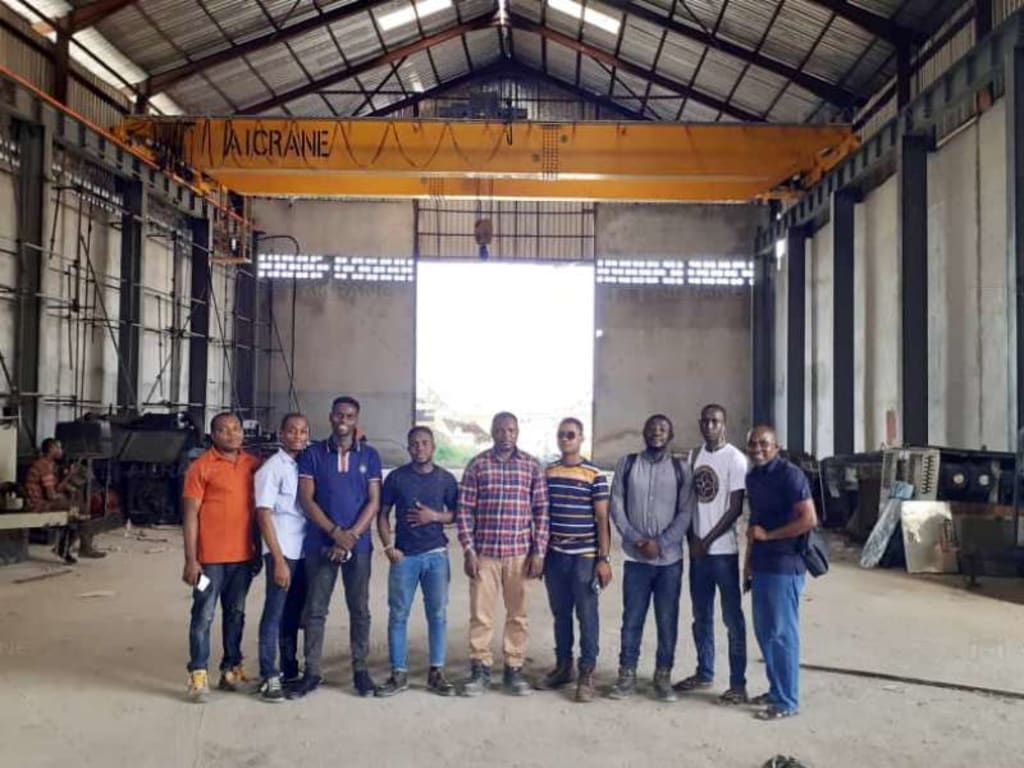
Selecting the right overhead crane company is a crucial decision that can significantly impact the efficiency, safety, and productivity of your operation. Whether you are investing in a new crane for a manufacturing facility, construction site, or warehouse, the crane supplier you choose plays a major role in ensuring the equipment meets your specific needs, complies with safety standards, and remains cost-effective. This article will guide you through the key factors to consider when comparing overhead crane companies and selecting the right partner for your business.
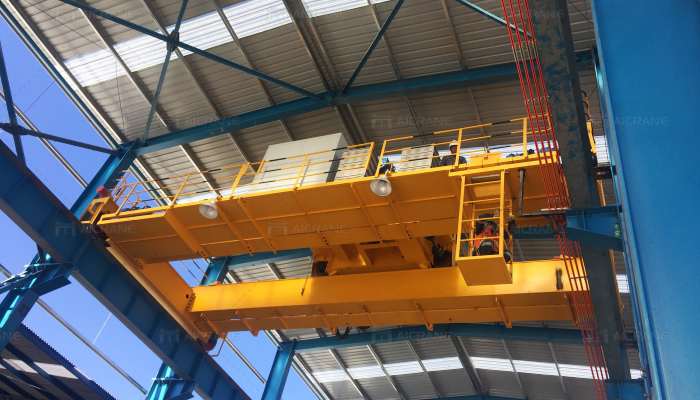
1. Understanding Your Specific Needs
Before diving into comparisons between different crane suppliers, it’s important to have a clear understanding of your operation’s specific needs. Different companies may specialize in different types of cranes, each designed for specific applications. By identifying your requirements, you can better assess which supplier can provide the best solution.
Key Factors to Consider:
Load Capacity: Determine the weight and size of the materials you need to lift. Overhead cranes come in a wide range of capacities, from light-duty models to heavy-duty industrial overhead cranes.
Span and Lifting Height: Consider the dimensions of your workspace. Some companies may offer cranes that are better suited for tight spaces, while others provide larger spans for more extensive lifting operations.
Operating Environment: The environment in which the crane will be used is important. For example, cranes used in hazardous environments may need to meet specific safety regulations or be explosion-proof, while those used in extreme temperatures might require special materials or coatings.
Frequency of Use: If the crane will be in continuous operation, it’s important to choose a supplier that offers robust, heavy-duty models. For occasional use, a more standard model may suffice.
2. Evaluating Company Reputation and Experience
The reputation and experience of an overhead crane company should be at the top of your list when making a selection. A reputable supplier with years of experience is more likely to provide high-quality products, excellent customer service, and reliable after-sales support. Additionally, an experienced company will be able to provide customized solutions to meet unique operational challenges.
How to Evaluate Reputation:
Industry Reputation: Research the company’s standing in the industry. Look for reviews, testimonials, and case studies of previous clients to gauge their reputation and track record.
Years in Business: Companies with extensive experience in manufacturing and installing overhead cranes tend to have a better understanding of evolving safety standards and industry requirements.
Certifications and Compliance: Ensure the crane supplier adheres to international safety standards and is certified by relevant authorities. This includes compliance with regulations like OSHA, CE, and ISO.
3. Product Quality and Customization Options
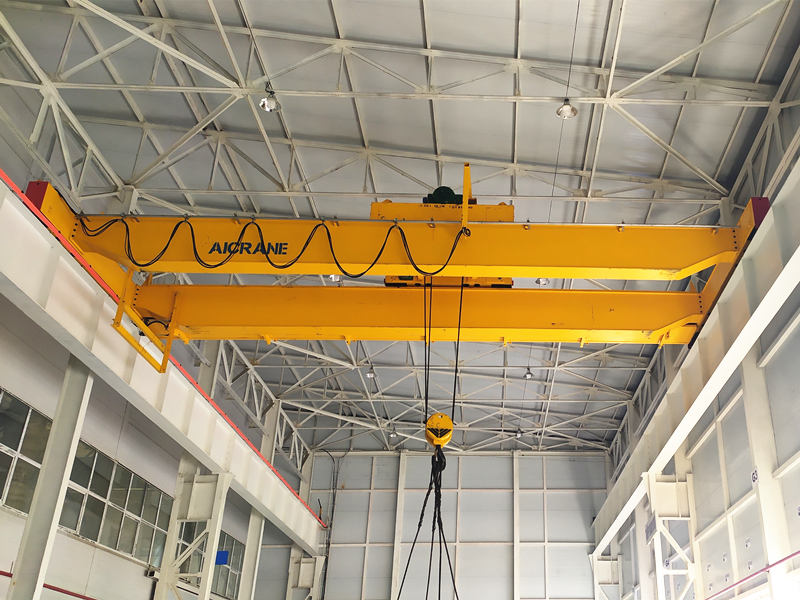
Overhead cranes are large, heavy-duty machines, and their quality directly impacts the efficiency and safety of your operation. When comparing crane companies, it’s important to evaluate the quality of their products. Some companies may offer pre-configured standard cranes, while others specialize in custom designs tailored to your specific needs.
Standard vs. Custom Cranes
Standard Cranes: These are mass-produced models that are suitable for common lifting tasks. They are often more affordable and have quicker lead times but may not meet highly specialized requirements.
Custom Cranes: If your operation demands specialized features, such as custom lifting capacities, longer spans, or unique control systems, working with a company that offers custom design options can provide a more tailored solution.
Ask the crane supplier about the materials used, engineering processes, and whether they provide post-installation support or ongoing maintenance. Companies that offer robust warranties and ongoing service packages demonstrate their confidence in the product’s longevity.
4. Installation and After-Sales Support
The overhead crane installation process is complex and requires skilled professionals to ensure the crane operates smoothly and safely. Look for a company that offers not only installation services but also comprehensive after-sales support, including maintenance, troubleshooting, and spare parts availability.
Installation Support
Some crane companies provide turnkey services, which include everything from design and installation to testing and operator training. Others may offer only basic installation services and leave you to handle training and ongoing maintenance. Make sure the company you choose provides adequate support for installation, including on-site assistance and proper testing before the crane is put into operation.
Ongoing Maintenance
Long-term reliability is key for overhead cranes, so consider whether the crane company offers a maintenance plan or service contracts. Regular inspections, maintenance, and repairs can significantly extend the life of the crane and prevent costly downtime. A good after-sales service team should be able to quickly respond to issues, offer spare parts, and provide training to operators.
5. Pricing and Cost Transparency
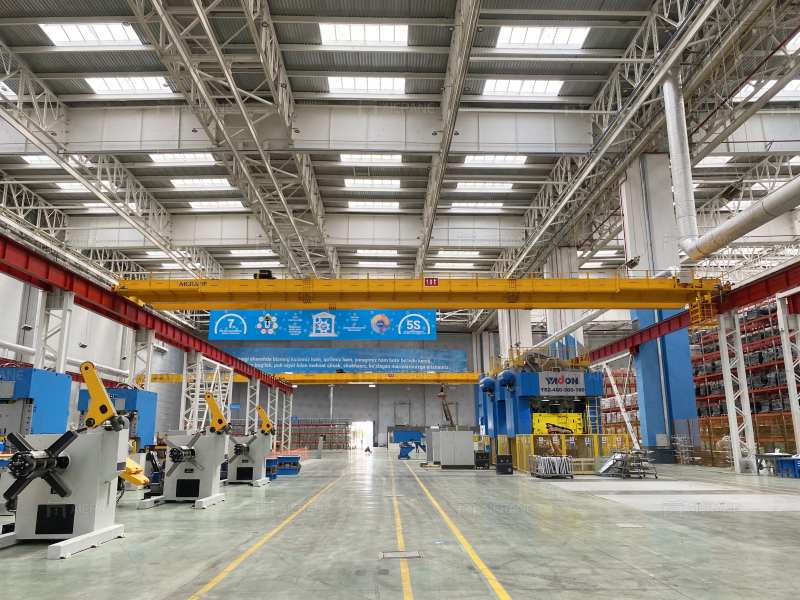
Price is always a significant factor when choosing an overhead crane company, but it shouldn’t be the sole determining factor. Compare the costs of different suppliers while factoring in the total cost of ownership, including installation, maintenance, and any custom features.
Understanding Pricing
Initial Cost: This is the price of the eot crane, including installation. Get quotes from multiple suppliers to ensure the price is competitive for the type of crane you need.
Ongoing Costs: Factor in the long-term costs associated with operating the crane, including electricity, maintenance, and potential repairs. Companies that offer service contracts or extended warranties may reduce ongoing costs in the future.
Hidden Fees: Some companies may include hidden fees for delivery, installation, or spare parts. Be sure to ask for a breakdown of all potential costs to avoid surprises down the line.
6. Lead Time and Delivery
Time is often a crucial factor in many construction and industrial operations. When selecting an overhead crane company, be sure to discuss lead times and delivery schedules. Some companies may offer cranes with shorter lead times, while others may have longer waits due to custom manufacturing or shipping delays.
If you need a crane quickly, look for a supplier that has ready-to-ship models in stock or can expedite production and installation. For long-term projects, however, you may be able to plan ahead and work with a company that has longer lead times.
Conclusion
Choosing the right overhead crane company is essential for ensuring the smooth and efficient operation of your lifting equipment. By carefully evaluating the company’s reputation, product quality, installation and after-sales services, pricing, and lead time, you can make an informed decision that meets your specific requirements and budget.
A reliable overhead crane company will not only provide high-quality products but also offer customized solutions, ongoing support, and a clear understanding of your unique needs. By considering these factors, you can choose a partner that will support your business for years to come, helping to enhance productivity, safety, and operational efficiency.
About the Creator
Aicrane Group
Aicrane is a professional fabrication and trade integration enterprise in Overhead Crane, Gantry Crane, Rubber Tire Gantry Crane, Boat Lift, Steel Structure Workshop, Construction Winch, Marine Winch,etc.
Enjoyed the story? Support the Creator.
Subscribe for free to receive all their stories in your feed.
Comments