
OpenAI Buried a Quota Change at the Bottom of Its Checkout Page
The shared ChatGPT and Codex limit appeared under the terms, right after OpenAI announced doubled Pro limits. Users read the placement as the message.
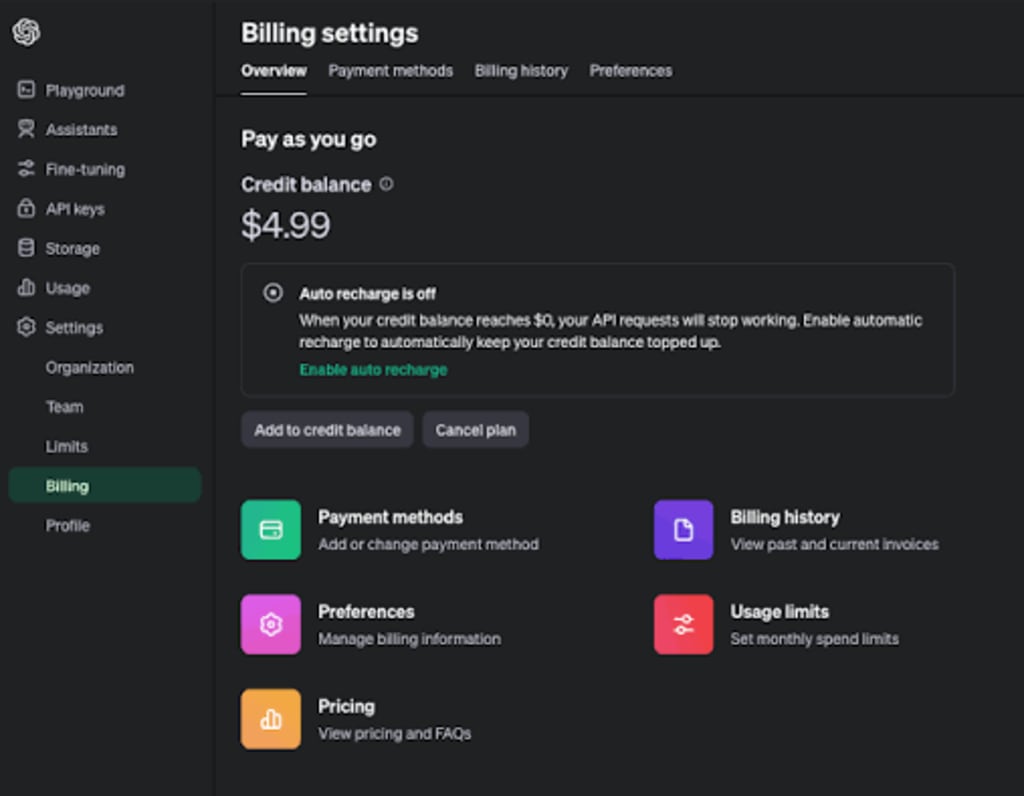
A screenshot of a checkout page moved through user groups. Scroll down, and the terms section had a new line: starting in December, plan usage will have a shared limit across all of ChatGPT and Codex. The screenshot landed next to another item: usage limits doubled across all Pro tiers. Side by side, users saw “doubled” first and “shared” second. The argument started there. The good news went in the announcement. The clause that changes daily use went on the checkout page.
Shared limits only make sense if you put two kinds of use next to each other. Chat covers questions, writing, planning. A single session stays fairly contained. Codex covers coding, agent tasks, workflow runs. One full five-hour window can eat 10% to 47% of a weekly quota. The two pools used to feel separate. When chat quota ran out, you could park Codex. When Codex finished, everyday questions still worked. Now both feed one pool. Users have to choose between a few messages and one task run.
Light users may not notice. Plus users and heavy Codex users will. Many Plus users treated near-unlimited chat as the last buffer. When quota got tight, the model could still outline a document, fix a sentence, or look something up. Shared limits pull that buffer into the meter. One detail matters: Codex and ChatGPT Work already shared quota in the backend. The new statement pulls general chat into the same pool. Chat no longer sits apart. It queues with coding and agent tasks.
Users did not stop at “dissatisfied.” In comments, one person screenshotted the clause and drew a red box around “shared limit.” Another person did the math against Codex’s five-hour window and listed how much chat quota would remain after two task runs. Another left the renewal page on the cancel button, with the cursor over “Cancel plan.” Those actions say more than “anger,” and they are harder for PR language to cover.
Users kept posting the timeline side by side. Pro 200 quota was halved. Users protested. OpenAI reversed it. Some plans got doubled quotas. Then the shared-limit statement appeared on the checkout page. The order made the doubling look like a hedge. Users have seen this sequence before: a little sweetness first, then the independent quota disappears. Heavy users can spot quota changes after a few runs. Quiet limit changes, quiet model downgrades, and restrictions tucked into terms all become screenshots and math posts in the comments.
OpenAI has a ledger for shared limits. Codex burns compute. Chat and agent tasks in separate pools make the overall budget hard to control. One pool lets OpenAI allocate scarce compute more directly and bring billing closer to real cost. On the product side, merging Chat and Work is already the plan. Once the entrances merge, shared billing is the next step. OpenAI staff had said the integration was moving forward and would be handled carefully. The motives are understandable.
The communication is the problem. A reasonable business motive does not excuse a quiet notice. OpenAI could have pushed shared limits and written a clear announcement: why the merge, how metering works, which plans change, what choices users have. It did not. It put the key clause in the terms section and let users scroll before clicking continue. Users read a rule and an impression: OpenAI did not want them to know in advance. A strategic adjustment that could have been explained became an ambush.
The quota is not the main signal. The main signal is that freewheeling chat is ending inside OpenAI’s paid plans. Advanced models, agent tools, and general chat will sit inside one tighter meter. Other AI companies will face the same pressure. Unlimited and cheap won user growth. Compute costs now push every company toward tiered metering. OpenAI hit the brake first and did it in public.
Next time you open the checkout page, scroll down. The small line is still there. It does not explain itself. It waits for you to click continue.
About the Creator
Jin
Writer of reamstories
https://reamstories.com/jin
Enjoyed the story? Support the Creator.
Subscribe for free to receive all their stories in your feed. You could also become a paid subscriber, letting them know you appreciate their work.
Comments
There are no comments for this story
Be the first to respond and start the conversation.