
Off Grid Battery Solutions That Keep Your Power Running
Living off the grid means embracing energy independence, but that freedom hinges entirely on having reliable battery storage.


Living off the grid means embracing energy independence, but that freedom hinges entirely on having reliable battery storage. Without a robust off grid battery system, even the most sophisticated solar panels or wind turbines become useless after sunset or during calm weather. The right battery doesn't just store energy—it becomes the backbone of your entire off-grid lifestyle, determining whether you can run essential appliances, maintain comfort, and achieve true self-sufficiency. As more people seek alternatives to traditional utility dependency, understanding what makes an effective off-grid battery system has become essential knowledge for anyone serious about sustainable living.
Why Off Grid Living Demands Specialized Battery Technology
Off-grid battery systems face challenges that typical grid-connected storage never encounters. Daily deep discharge cycles, extended periods without recharging, temperature extremes, and the absolute necessity of reliability create demands that conventional batteries simply cannot meet. When you're miles from the nearest power line, battery failure isn't an inconvenience—it's a crisis that can affect heating, refrigeration, water pumping, and communication systems.
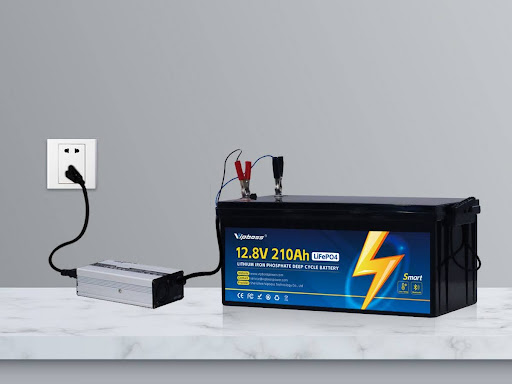
The chemistry and construction of batteries designed for off-grid applications differ fundamentally from automotive or backup power batteries. These systems must withstand thousands of charge-discharge cycles while maintaining capacity, operate efficiently across wide temperature ranges, and provide consistent power output regardless of their state of charge. Lithium iron phosphate technology has emerged as the leading solution, offering cycle life exceeding traditional options by several multiples while maintaining stable voltage output throughout the discharge curve.
Calculating Your Actual Energy Storage Needs
Determining the right off grid battery capacity requires honest assessment of your energy consumption patterns rather than optimistic estimates. Begin by auditing every device and appliance in your off-grid setup, recording both wattage and realistic daily usage hours. Don't forget often-overlooked loads like well pumps that cycle intermittently, refrigerators that run continuously, and seasonal heating or cooling needs that can dramatically shift consumption.
Beyond average daily consumption, your battery bank must accommodate several critical factors. Days of autonomy—typically three to five days for most climates—ensure you can weather extended periods of poor solar production or equipment maintenance. Depth of discharge limitations mean you can't use every amp-hour your batteries technically contain without severely shortening their lifespan. Efficiency losses during charging and inverter conversion reduce available power by ten to twenty percent. When properly calculated, most off-grid homes require battery capacity that's two to three times their calculated daily consumption.
Installation Configuration That Maximizes Performance
How you connect and position your battery bank affects performance as much as the batteries themselves. Series connections increase voltage while parallel connections increase capacity, and most off-grid systems require both to achieve the desired voltage and amp-hour rating. Proper cable sizing becomes critical with high-current battery banks—undersized wiring creates voltage drop, generates heat, and wastes precious stored energy. Every connection point represents potential resistance, so minimizing unnecessary connections and using quality terminals directly impacts system efficiency.
Temperature management often receives insufficient attention during installation planning. Batteries perform optimally within specific temperature ranges, and both extreme cold and heat degrade performance and longevity. Installing battery banks in insulated, climate-controlled enclosures maintains ideal operating temperatures year-round. Adequate ventilation prevents hydrogen buildup in sealed battery rooms while avoiding drafts that could cause temperature fluctuations. Companies like Vipboss design their systems with integrated thermal management features that simplify installation in challenging environments.
Maintenance Practices That Extend Battery Lifespan
Even advanced lithium batteries benefit from regular monitoring and maintenance routines. Checking cell voltage balance monthly helps identify weak cells before they compromise the entire bank. Monitoring state of charge prevents both over-discharge and chronic overcharging, two conditions that accelerate degradation. Keeping battery terminals clean and tight ensures efficient current flow and prevents hot spots that can damage cells.
Modern battery management systems automate much of this monitoring, but understanding what they're tracking helps you respond to alerts appropriately. Sudden voltage imbalances might indicate a failing cell requiring attention. Gradual capacity reduction over years represents normal aging, but rapid capacity loss suggests charging problems or environmental issues. Maintaining detailed logs of battery performance creates baseline data that makes troubleshooting future issues much simpler. Regular firmware updates for battery management systems provide improved algorithms and bug fixes that optimize performance.
Integration With Renewable Energy Sources
Off-grid batteries don't operate in isolation—they form one component of an integrated energy system. Matching battery voltage to your inverter and charge controller specifications ensures efficient energy transfer throughout the system. Charge controllers must properly terminate charging at the battery manufacturer's specified voltage to prevent overcharging while fully replenishing capacity. Inverters need adequate battery capacity to handle surge loads from motors and compressors without voltage sag.
Solar array sizing must consider not just powering daily loads but fully recharging batteries before nightfall. Undersized solar arrays lead to chronic undercharging, where batteries never reach full capacity and suffer from sulfation or capacity fade. Wind generators add complexity because their output varies dramatically and often peaks when batteries are already full, requiring diversion loads or advanced charge management. Properly sized renewable sources with matched battery storage create systems that remain in healthy charge states throughout seasonal variations.
Common Pitfalls And How To Avoid Them
Many off-grid battery installations fail prematurely due to avoidable mistakes. Mixing batteries of different ages, capacities, or even production batches creates imbalances where weaker batteries limit the entire bank's performance and strong batteries become overcharged. Using automotive batteries for deep-cycle applications guarantees early failure—these batteries are engineered for brief high-current starting loads, not sustained discharge cycles.
Inadequate charge current is another frequent problem. Batteries need sufficient charging amperage to reach full capacity within available solar hours. A common recommendation suggests charge current should equal at least 10-20% of battery capacity in amp-hours. Slower charging rates may never fully replenish deeply discharged batteries, leading to stratification and capacity loss. Conversely, excessive charge current, particularly with older battery technologies, can cause overheating and damage. Modern lithium batteries from manufacturers like Vipboss accept higher charge rates safely, reducing the solar array size needed for proper battery management.
Building Reliable Off Grid Power
Selecting and implementing the right off grid battery system requires balancing capacity, technology, budget, and maintenance commitment. The investment in quality batteries designed specifically for off-grid applications pays dividends through years of reliable service and reduced replacement frequency. As battery technology continues advancing, today's lithium options offer capabilities that make off-grid living more practical and comfortable than ever before. Proper system design, realistic capacity calculations, and disciplined maintenance transform batteries from a potential weak point into the reliable foundation of energy independence.
About the Creator
Enjoyed the story? Support the Creator.
Subscribe for free to receive all their stories in your feed.
Comments
There are no comments for this story
Be the first to respond and start the conversation.