
Node.js vs Python for Web App Development
Decide what’s better for your development process – Node.js or Python.

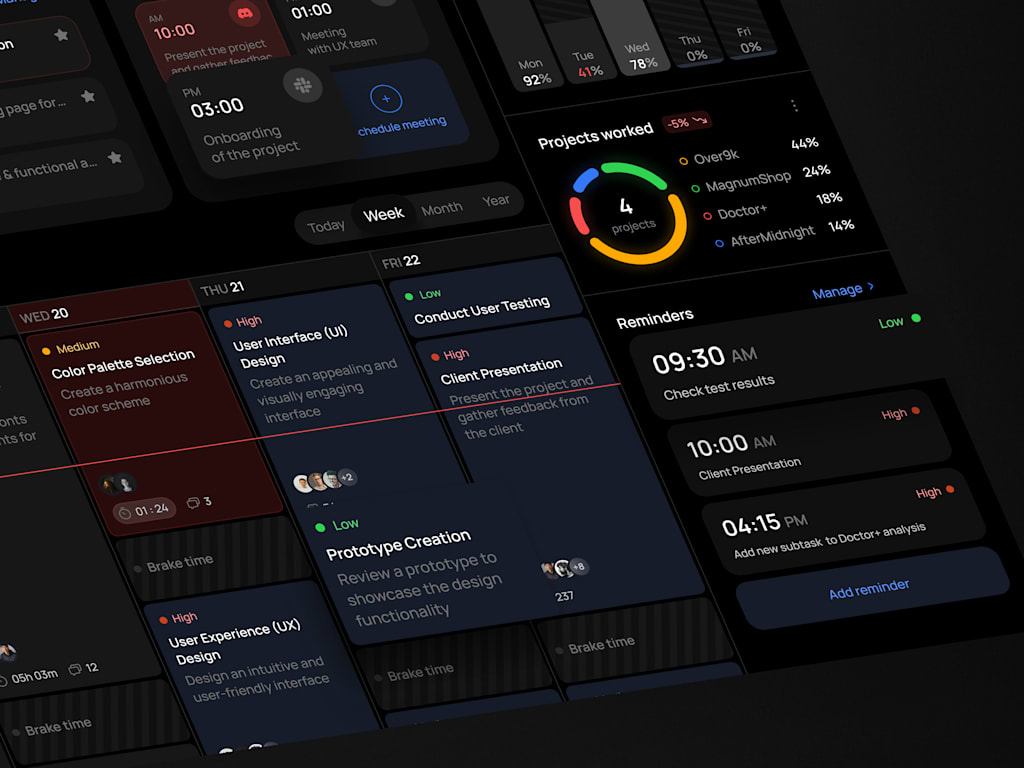
Selecting the right technology is crucial. Beyond the typical debate of Node.js versus Python, the decision hinges on aligning with your product vision, the talent pool available to you, and the specific pitfalls you wish to sidestep.
From my perspective, early-stage technical missteps seldom stem from picking an inferior language. Instead, they arise when the tech stack isn’t properly mapped to the business strategy. A live collaboration tool, a data analytics engine driven by artificial intelligence, and a complex e-commerce platform with extensive administrative controls all demand distinct solutions. While they may all operate as web applications, their behavior under heavy user load—especially during peak hours—varies significantly.
Let’s keep this grounded in reality. This piece evaluates Node.js and Python through the lens of a startup founder, examining backend suitability, execution speed, system performance, time-to-market for minimum viable products, growth potential, recruitment challenges, expenses, and the chaotic intermediate phase where most actual products reside.
Understanding Node.js
Node.js serves as a runtime environment that enables developers to execute JavaScript on the server side. According to its official documentation, it is an asynchronous, event-driven platform designed for constructing scalable network applications. Put simply, Node excels at managing high volumes of concurrent requests without blocking subsequent operations while waiting for previous ones to complete.
This capability is vital for digital products where users anticipate instant responses. Consider applications like instant messaging, push notifications, simultaneous document editing, real-time data dashboards, online trading platforms, or any system requiring constant communication between the client and server interfaces.
If a team member asks for a straightforward explanation of Node.js, here is a founder-centric summary: it allows you to construct backend infrastructure using JavaScript, leveraging a robust library ecosystem that is particularly well-suited for interactive, real-time web experiences.
One major advantage for founders is the reduction of technological fragmentation. Since your frontend engineers are likely already proficient in JavaScript or TypeScript, adopting JavaScript for the backend can streamline collaboration and reduce friction during handoffs. Of course, this isn’t a cure-all; poor architectural decisions will still result in a fragile backend, regardless of language consistency. However, for lean teams, having a unified codebase context can be a significant asset.
A competent Node.js engineer typically possesses expertise in API design, event-driven programming, dependency management, cloud infrastructure, and troubleshooting the subtle concurrency issues that emerge when numerous users interact simultaneously. This last point is critical: while Node.js is approachable, building reliable real-time systems requires careful engineering, not just the right tool.

Defining Python
Python is a versatile, high-level programming language celebrated for its clarity and extensive library support. As described by Python.org, it is an object-oriented language featuring dynamic typing, robust native data structures, and a straightforward syntax designed to accelerate the development process.
For startup founders, Python holds particular appeal because it bridges the gap between traditional backend engineering and advanced fields like automation, data science, machine learning, and artificial intelligence. This positioning is strategically valuable. Contemporary digital products have evolved beyond simple create-read-update-delete (CRUD) functions. Today’s applications often involve complex tasks such as data classification, personalized recommendation engines, behavioral analytics, document processing, third-party integrations, and automated internal workflows.
Another significant advantage of Python is its readability. While this might seem like a minor detail, it has substantial long-term implications. When a product has been in operation for a year and new developers join the team, clear and understandable code can translate into significant cost savings. I have witnessed teams waste days deciphering the purpose of specific background processes—not due to negligence, but because business logic accumulates gradually, much like laundry piling up on a chair. One moment you look away, and suddenly, that pile has become an entrenched system.
Python is highly effective for building backend APIs, administrative interfaces, SaaS solutions, data-intensive applications, AI-driven features, automation scripts, and system integrations. It may not top every speed benchmark, and acknowledging this reality is important. However, overall product velocity isn’t solely determined by CPU performance. Often, the optimal choice is the technology that empowers your team to develop, troubleshoot, and iterate efficiently, avoiding unnecessary stress and complexity during critical deployment windows.
Choosing Between Node.js and Python for Server-Side Development
When evaluating these two technologies for backend infrastructure, the conversation frequently defaults to raw performance metrics. While this is a natural starting point, it offers an incomplete picture. Building a robust backend involves far more than just request throughput; it encompasses system architecture, database schema design, security protocols (authentication and authorization), third-party integrations, asynchronous task management, error resilience, observability, deployment strategies, and long-term maintainability.
When to Choose Node.js
Opt for Node.js if your product’s core value proposition relies on real-time user experiences. If your application depends on instant updates, instant messaging, collaborative environments, push notifications, live data streams, or frequent, lightweight API interactions, Node.js is typically the superior option. Its non-blocking, event-driven architecture is specifically engineered to handle I/O-intensive operations with high efficiency.
When to Choose Python
Select Python if your backend is driven by intricate business rules or complex data pipelines. Industries such as SaaS administration, healthcare technology, financial services, analytical platforms, automation tools, AI-enhanced applications, and internal enterprise systems often benefit from Python’s rich ecosystem and code clarity. The language excels in environments where logical complexity and data manipulation take precedence over raw connection handling.
Node.js tends to shine in applications that are interaction-heavy.
Python tends to excel in applications that are logic-heavy or data-intensive.
Navigating Real-World Complexity
Naturally, real-world scenarios rarely adhere to such neat distinctions. A modern marketplace might require both instantaneous notification systems and sophisticated fraud detection algorithms. Similarly, an e-learning platform could demand video transcoding, payment processing, live chat, user analytics, and complex administrative workflows all at once. In these hybrid situations, the strategic question shifts from “which language is better?” to “how should we distribute responsibilities across our tech stack?”
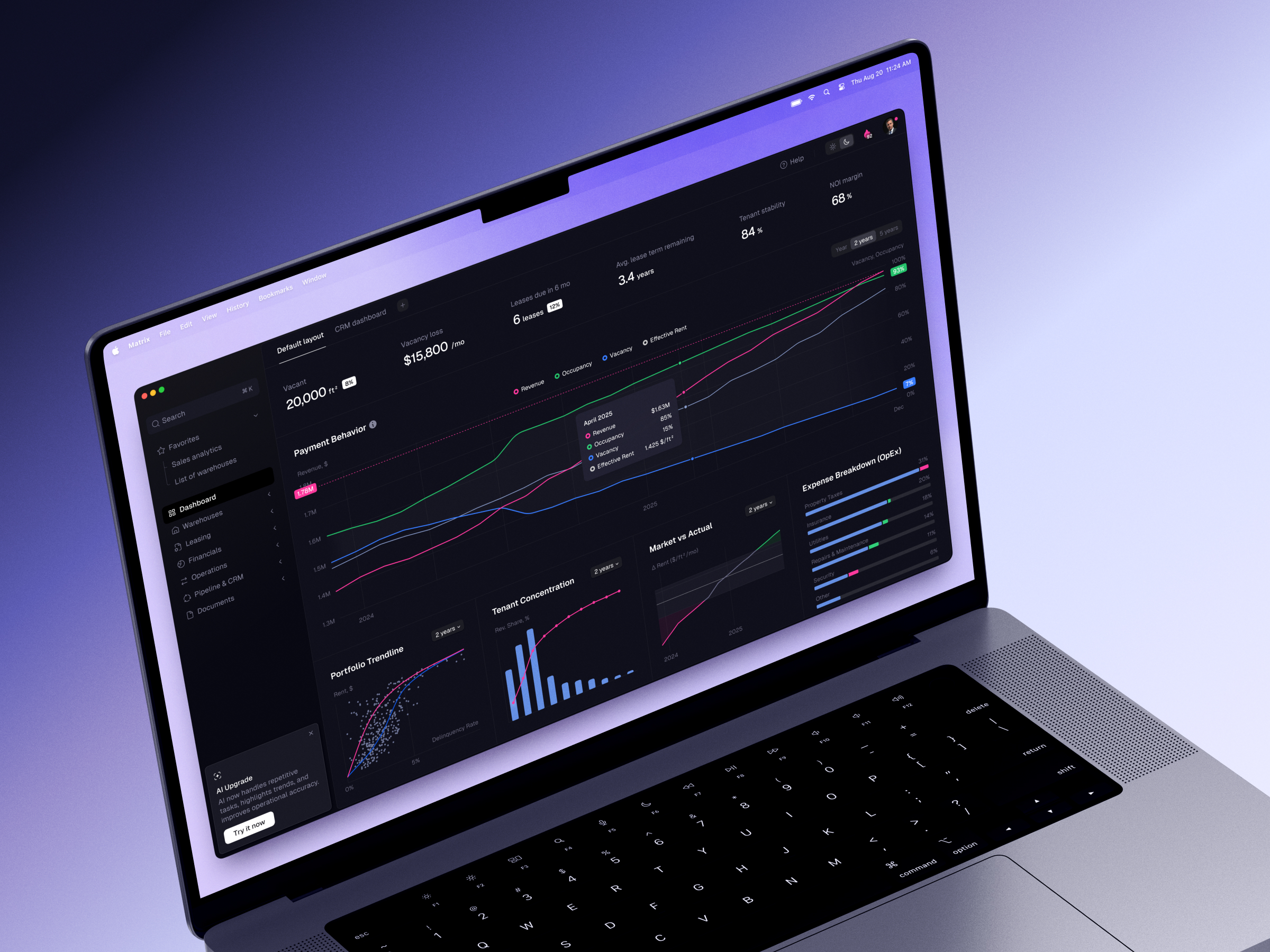
Performance and Velocity: Node.js vs. Python
Discussions surrounding the performance differences between Node.js and Python can become quite heated. While some developers are obsessed with synthetic benchmarks, founders often find these charts more confusing than helpful.
Node.js boasts a compelling narrative regarding non-blocking I/O and low-latency network operations. Its documentation emphasizes that HTTP is treated as a core feature, with the runtime explicitly optimized for streaming data and minimizing latency. This architecture provides a distinct advantage for web applications that spend significant time waiting on database queries, external API calls, or other network-dependent tasks.
Python presents a different set of characteristics. While standard Python execution may lag in CPU-intensive tasks, its ecosystem is vast, mature, and highly practical. The language also supports asynchronous programming via asyncio, and many contemporary Python web frameworks incorporate async patterns where appropriate. Furthermore, for data science and artificial intelligence workloads, Python remains the undisputed home of the most robust libraries and specialized talent.
So, when we ask about speed, we must clarify: speed of what?
- Raw Execution Speed: In many typical web scenarios, Node.js often demonstrates superior throughput.
- MVP Development Speed (Data-Centric): Python may have the edge here, thanks to its extensive pre-built libraries for data handling.
- Hiring Speed (Full-Stack Efficiency): If your frontend is already built with TypeScript, Node.js can streamline recruitment by allowing developers to work across the entire stack.
- Debugging Speed (Long-Term Maintenance): Six months down the line, Python’s readability often leads to a calmer, more manageable debugging experience.
The most prudent, albeit less exciting, advice is to benchmark your specific application workflows. Avoid testing trivial endpoints or "Hello World" scripts. Instead, measure the slowest user journeys, the most heavily trafficked API routes, large-scale data imports, and background processes that run autonomously. This is where genuine performance insights are found.
MVP Development: Accelerating Founder Progress
When building a Minimum Viable Product (MVP), founders typically prioritize three objectives: rapid deployment, immediate user feedback, and avoiding technical debt that becomes costly post-launch. Some disorder is inevitable; however, excessive chaos is what causes budgets to spiral out of control.
When Node.js Accelerates MVPs
Node.js is particularly effective when the product is frontend-dominant. Teams proficient in JavaScript or TypeScript can navigate the full stack with greater ease, reuse validation logic, share development tools, and minimize context switching. This approach is especially attractive for applications featuring real-time updates, API-rich interfaces, or modern single-page architectures.
When Python Accelerates MVPs
Python shines when the product’s core value lies in backend complexity. If the application requires recommendation engines, reporting tools, document parsing, internal automation, third-party integrations, or early-stage AI capabilities, Python offers a wealth of ready-made solutions. Frameworks like Django and FastAPI are highly productive, though they cater to different development styles.
Strategic Decision-Making
It is advisable not to select a technology solely based on which one allows you to reach "demo day" fastest. A demo lasts a single day; maintenance persists every day thereafter.
Instead of relying on generic comparisons, consider these grounded questions:
- Does the product rely heavily on real-time user interactions?
- Will there be an imminent need for AI, analytics, or complex data processing?
- Is your current team more proficient in JavaScript/TypeScript or Python?
- Will the backend primarily serve APIs, or will it manage intricate business workflows?
- Which components of the product are expected to undergo frequent weekly changes?
The answers to these questions will provide a much clearer strategic direction than any broad "Node.js vs. Python" debate ever could.

Scalability, System Design, and Long-Term Upkeep
"Scalability" is a term often invoked prematurely in startup discussions. While every founder aspires to build a product that can handle massive growth, the primary risk at the MVP stage is rarely an influx of millions of users. Instead, the real threats are ambiguous architecture, lack of system visibility, suboptimal database selection, or haphazardly integrated features lacking a cohesive strategy.
Both Node.js and Python are capable of scaling effectively, provided they are supported by robust system design.
Considerations for Node.js
When using Node.js, careful attention must be paid to background processing, CPU-intensive operations, process clustering, message queues, WebSocket management, and behavior under high concurrency. While Node.js excels at managing I/O-bound tasks, it is crucial to prevent long-running computational processes from blocking the event loop and degrading performance for other users.
Considerations for Python
With Python, strategic planning around asynchronous execution, worker queues, caching mechanisms, database tuning, and deployment strategies is essential. Although Python is often praised for its developer experience, it remains vital to decouple web requests from heavy computational jobs. Tasks such as generating reports, invoking AI models, or processing large files should be offloaded to background workers to ensure the user-facing application remains responsive.
The Holistic View
For instance, Shakuro’s custom web development methodology encompasses discovery, strategic planning, UI/UX design, frontend and backend engineering, testing, launch, ongoing maintenance, and scaling. This end-to-end perspective is critical because the choice of backend language is merely one component of a larger ecosystem. Success also depends on effective database management, API design, CI/CD pipelines, monitoring tools, security protocols, and a team equipped to sustain the product post-launch.
Right-Sizing Your Architecture
A final note in the Node.js versus Python debate: your architecture should be designed to support the next 12 to 18 months of growth, not a hypothetical future where you are already a tech giant. Over-engineering drains resources just as surely as under-engineering does. The key is to build a foundation that allows for organic expansion without constructing a cathedral when a shed would suffice for now.
When to Opt for Node.js
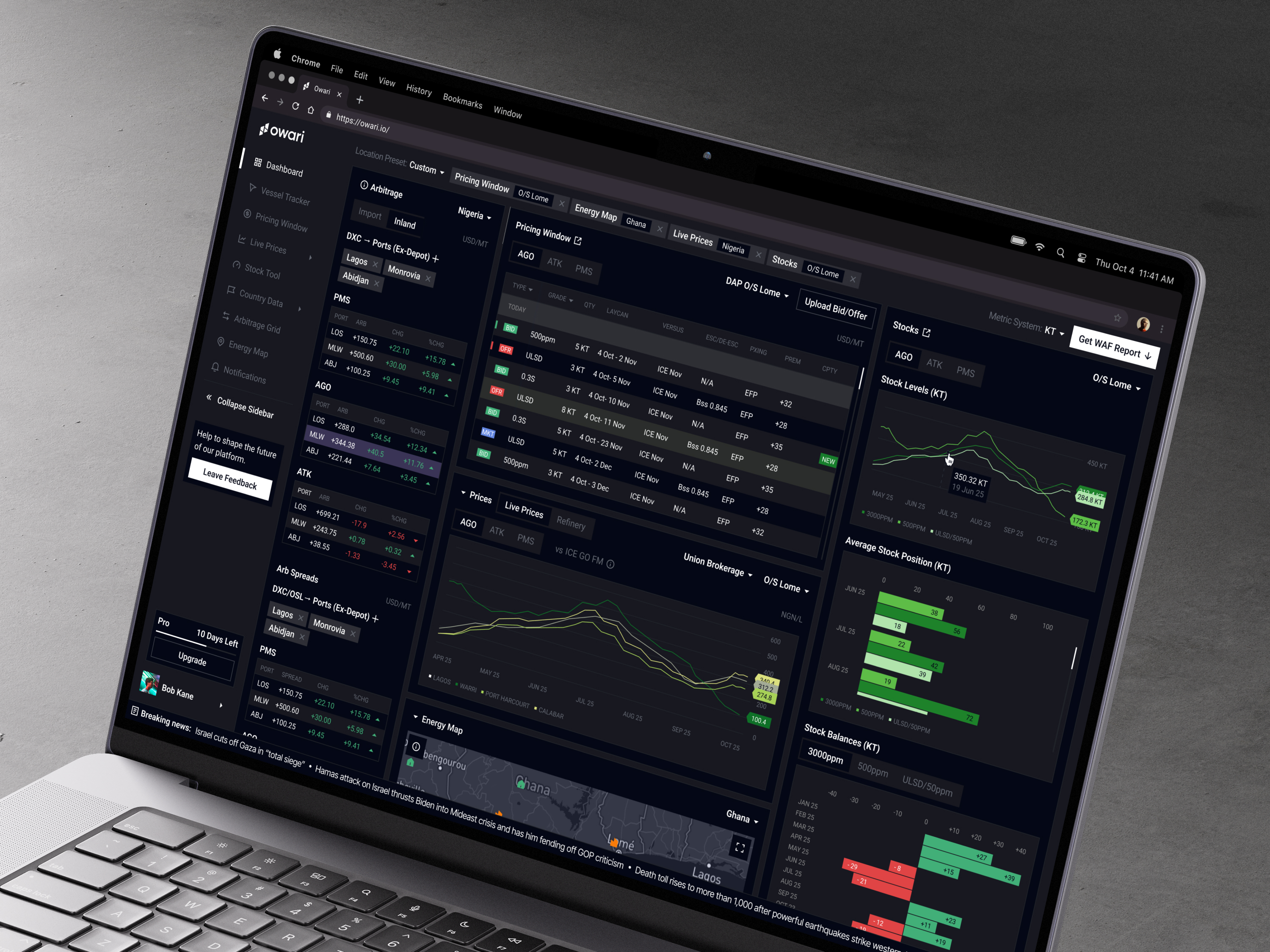
Node.js is the ideal choice when your product’s core value relies on rapid user interactions and seamless, continuous communication between the client and server.
Ideal use cases:
- Instant messaging and chat applications
- Real-time collaborative platforms
- Live data dashboards
- Event-driven or streaming interfaces
- Marketplaces requiring frequent status refreshes
- SaaS products heavily dependent on JavaScript
- Projects where a single TypeScript team manages the majority of the codebase
Node.js is also a strategic pick if you already have a strong frontend team and wish to minimize the disconnect between interface logic and backend API logic. This alignment is particularly beneficial for early-stage startups, where team members often wear multiple hats and need to move fluidly across the stack.
Be mindful of CPU-intensive operations. If your application requires video encoding, complex data analysis, or lengthy computational tasks, Node.js may struggle if these processes block the main thread. In such cases, it is advisable to offload these tasks to background workers, microservices, or a different language better suited for heavy computation.
When to Opt for Python
Choose Python when your product’s foundation is built on backend complexity, data manipulation, automation, or artificial intelligence capabilities.
Ideal use cases:
- AI-integrated SaaS solutions
- Data analytics and reporting platforms
- Business systems with extensive administrative requirements
- Financial technology (Fintech) and healthcare workflow systems
- Document parsing and processing tools
- Internal automation and orchestration platforms
- API services governed by intricate business rules
- Data pipelines and third-party integrations
One of Python’s greatest strengths is its ability to make complex logic more manageable. While software development is never trivial, Python’s clarity significantly reduces cognitive load. When you are modeling sophisticated permission structures, billing algorithms, user state machines, analytics events, or handling third-party API errors, the readability of Python code becomes a tangible asset, helping teams maintain sanity and reduce bugs.
Final Verdict: Aligning Technology with Product Strategy
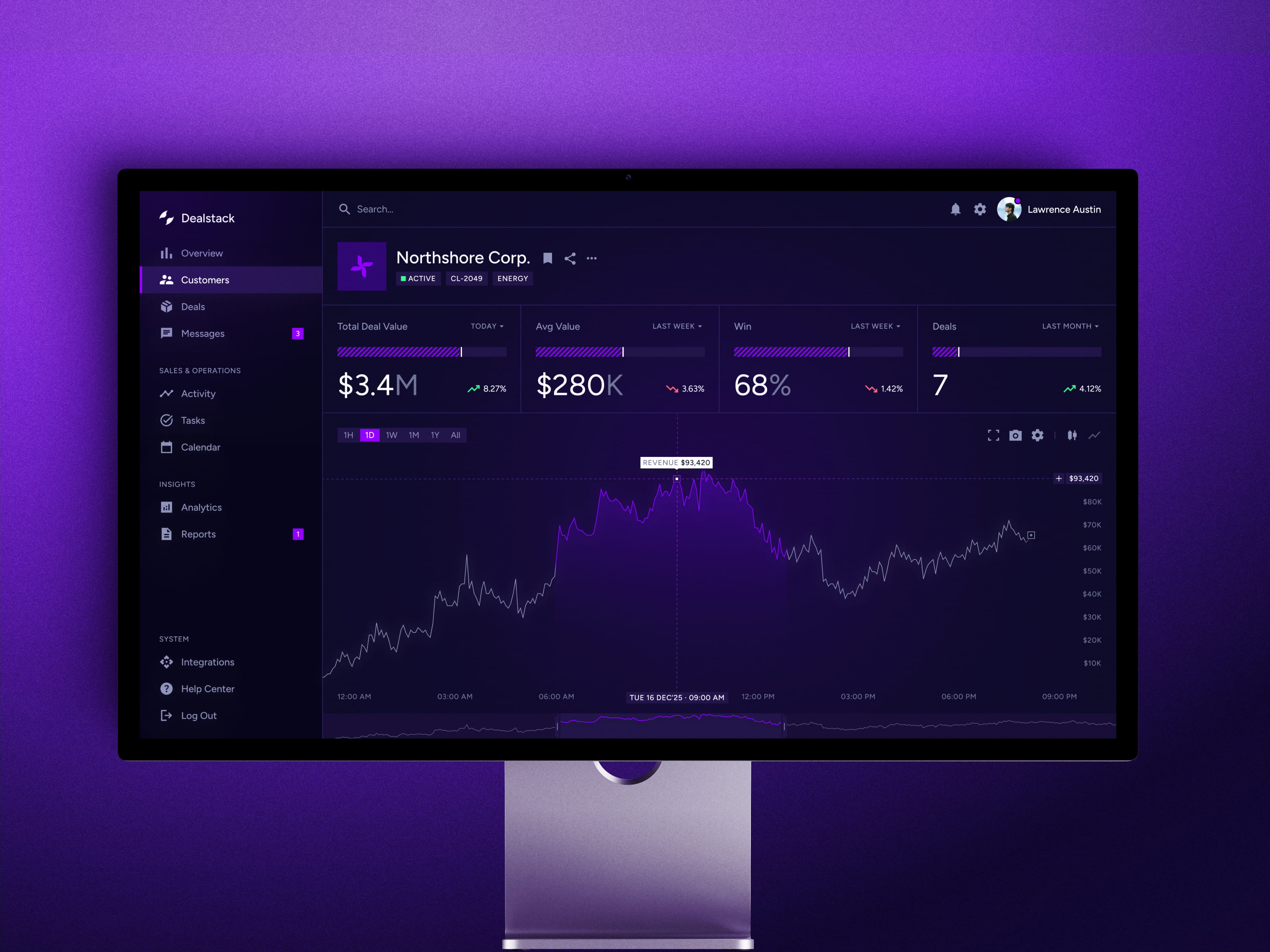
Ultimately, the choice between Node.js and Python is a strategic product decision rather than merely a technical preference.
If your application prioritizes real-time interactivity, relies heavily on JavaScript, and demands high-frequency user engagement, Node.js is likely the optimal starting point. It excels in delivering live user experiences, managing APIs with high concurrency, and empowering lean full-stack teams to operate efficiently.
Conversely, if your product is data-intensive, designed with AI integration in mind, requires extensive administrative controls, or depends on intricate backend workflows, Python is often the more prudent choice. It offers access to robust libraries, ensures code readability, and provides a solid foundation for automation and advanced analytics.
However, the most effective solution may not be an either/or proposition. Many successful, mature products employ a polyglot architecture, leveraging the strengths of different tools for specific tasks. For instance, a Node.js API gateway can seamlessly coexist with Python-based microservices dedicated to analytics or machine learning. Similarly, a Python backend can power a React frontend without issue. The technology stack should serve as a flexible toolkit, not a rigid ideology.
Before allocating your MVP budget, engage in thorough discussions with your technical team regarding the product roadmap. Consider critical questions such as the following: Which features require real-time responsiveness? Where are the highest security risks? Which data sets will expand most rapidly? What are the core daily user actions? And what capabilities might investors expect to see within the next six months? Answering these questions will guide you toward a more informed and sustainable technological foundation.
About the Creator
Shakuro
We are a web and mobile design and development agency. Making websites and apps, creating brand identities, and launching startups.
Enjoyed the story? Support the Creator.
Subscribe for free to receive all their stories in your feed.
Comments
There are no comments for this story
Be the first to respond and start the conversation.