
New Developments Reshape the Future of the Moonshine Roller Coaster Industry
Coaster Industry
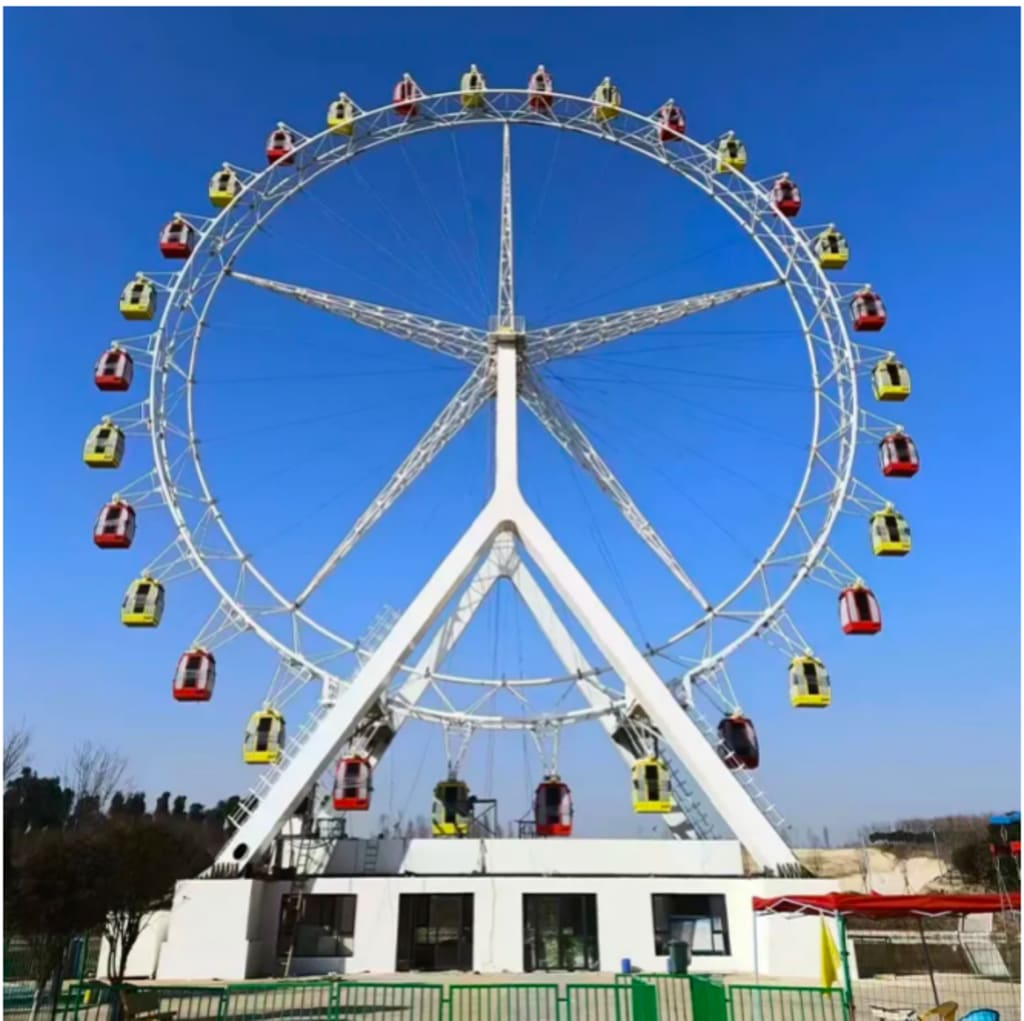
Theme parks continue to evolve through technology and creative engineering. Across many regions, amusement operators are investing in attractions that offer stronger engagement and improved safety. One attraction attracting attention is the moonshine roller coaster. Industry observers report growing interest in coaster designs that combine storytelling, modern engineering, and efficient operations.
Recent developments show that roller coaster manufacturers are adapting to changing visitor expectations. Families, tourists, and entertainment businesses now seek experiences that balance excitement with comfort. This trend is influencing the future direction of amusement ride development worldwide.
Growing Interest in Modern Roller Coaster Experiences
The global amusement industry has experienced steady changes over the past decade. Visitors now expect attractions that provide memorable experiences rather than simple thrills. As a result, manufacturers are developing rides that feature advanced design elements and improved operational systems.
The moonshine roller coaster represents this shift. It combines classic amusement concepts with modern engineering techniques. This approach allows operators to create attractions that appeal to a broad audience.
Industry analysts note that theme parks increasingly focus on attractions with strong visual identity. Distinctive ride themes help parks stand out in competitive markets. Roller coasters inspired by unique stories often attract greater visitor attention.
Engineering Innovations Driving Industry Growth
Recent engineering advancements have improved roller coaster design significantly. Computer modeling allows designers to test ride performance before construction begins. This process helps identify opportunities for smoother operation and better passenger comfort.
Manufacturers are also adopting stronger materials. Modern steel structures provide durability while maintaining design flexibility. These improvements support more creative ride layouts.
Advanced manufacturing methods contribute to greater accuracy during production. Precise fabrication reduces assembly challenges and improves long-term reliability. Many operators view these improvements as important investments.
Technology has also enhanced maintenance practices. Digital monitoring systems help operators track ride conditions more effectively. Early detection of potential issues can reduce downtime and improve operational efficiency.
Safety Remains a Central Focus
Safety continues to guide amusement ride development. Regulatory agencies and industry organizations maintain strict standards for ride construction and operation. Manufacturers work closely with engineers and inspectors throughout development stages.
Modern roller coasters incorporate multiple safety systems. These systems help ensure reliable operation under varying conditions. Continuous testing remains a critical part of the development process.
Training programs have also become more comprehensive. Operators invest in staff education to support safe ride management. Industry experts believe ongoing training contributes to improved operational performance.
New technologies are further supporting safety objectives. Sensors and monitoring equipment provide valuable operational data. This information helps maintenance teams make informed decisions.
The Role of Theming in Attraction Design
Theme-based attractions continue to gain popularity. Visitors often seek immersive experiences that extend beyond ride mechanics. Creative storytelling plays an important role in achieving this objective.
The moonshine roller coaster demonstrates how themed attractions can enhance visitor engagement. Designers often combine visual elements, sound effects, and environmental features to create a complete experience.
Industry professionals report that strong themes can increase visitor satisfaction. Guests frequently remember attractions that offer a compelling narrative. This trend encourages parks to invest in creative design concepts.
Theming also supports marketing efforts. Unique attractions provide valuable promotional opportunities. Many parks use themed rides as centerpiece attractions within broader entertainment strategies.
Economic Impact on the Amusement Sector
Roller coaster investments contribute to local economic activity. New attractions can increase visitor traffic and support tourism development. Hotels, restaurants, and transportation providers often benefit from increased attendance.
Industry reports indicate that amusement parks remain important contributors to regional economies. Attraction upgrades frequently generate interest among returning visitors. This cycle helps support long-term business growth.
Manufacturers also benefit from rising demand. Engineering firms, material suppliers, and construction specialists participate in ride development projects. These partnerships create opportunities across multiple sectors.
As competition increases, parks continue seeking attractions that offer lasting value. Innovative roller coaster projects often play a significant role in these strategies.
Sustainability Trends in Ride Manufacturing
Environmental considerations are becoming more important throughout the amusement industry. Manufacturers are exploring ways to reduce environmental impact while maintaining performance standards.
Material efficiency has become a major area of focus. Improved design methods help reduce waste during production. Some companies are also investigating alternative manufacturing processes.
Energy management systems are receiving increased attention. Operators seek solutions that improve operational efficiency. These efforts align with broader sustainability goals adopted by many entertainment businesses.
Maintenance planning also supports environmental objectives. Well-maintained attractions often operate more efficiently. This approach can reduce resource consumption over time.
Industry leaders expect sustainability initiatives to remain a priority. Future ride projects will likely incorporate additional environmental considerations.
Digital Technology Influences Visitor Expectations
Digital transformation continues shaping visitor experiences. Mobile applications, virtual previews, and interactive features are becoming more common. These tools help guests engage with attractions before arrival.
Some parks use digital platforms to provide ride information and queue updates. Visitors appreciate convenient access to real-time information. Technology supports smoother park operations and improved guest satisfaction.
Virtual reality and augmented reality technologies also attract attention. While adoption varies, many industry professionals see long-term potential. These technologies may influence future coaster experiences.
Data analysis is another growing trend. Operators use information to understand visitor preferences and improve services. Insights from digital systems support strategic decision-making.
International Expansion Creates New Opportunities
The amusement industry continues expanding into emerging markets. Rising tourism activity supports demand for modern attractions. Many regions are investing in entertainment infrastructure.
Manufacturers are responding by developing solutions suitable for different environments. Flexibility has become an important competitive advantage. Customized designs help meet diverse operational requirements.
International collaboration is increasing as well. Engineering teams often work across borders to complete complex projects. This cooperation supports innovation and knowledge sharing.
Industry observers believe global demand for amusement attractions will remain strong. Continued investment could create new opportunities for manufacturers and operators alike.
Future Trends Shaping the Industry
Several trends are expected to influence future roller coaster development. Advanced simulation technologies will likely improve design efficiency. Engineers may create increasingly sophisticated ride experiences.
Artificial intelligence could support maintenance planning and operational monitoring. Predictive systems may help identify maintenance needs earlier. These capabilities could improve reliability and reduce costs.
Customization is also expected to expand. Operators increasingly seek attractions tailored to specific audiences. Flexible design approaches support this objective.
The integration of storytelling and technology will likely continue. Visitors value experiences that combine entertainment with innovation. This trend may shape future attraction concepts.
Industry experts predict ongoing investment in immersive experiences. Attractions that offer distinctive identities could maintain strong market appeal.
Conclusion
The amusement ride industry continues evolving through innovation, safety improvements, and creative design. The moonshine roller coaster reflects many of these developments. Its combination of engineering, storytelling, and operational efficiency aligns with current industry priorities.
As technology advances, new opportunities will emerge for manufacturers and operators. Sustainability, digital integration, and enhanced visitor experiences will remain important themes. These factors are expected to shape the next generation of amusement attractions and influence the future direction of the global entertainment industry.
About the Creator
Emily Carter
Emily Carter is a freelance writer focused on SEO, digital marketing, content publishing, and online business trends. Her articles provide insights into search optimization, content strategy, and the evolving world of digital media.
Enjoyed the story? Support the Creator.
Subscribe for free to receive all their stories in your feed.
Comments
There are no comments for this story
Be the first to respond and start the conversation.