
Neobank App Development
Learn how to create a neobank app that is both reliable and user-friendly. The essentials—possible expenses, difficulties, procedures, etc.—are listed here.


Traditional banking leaders are increasingly anxious as they watch their younger clientele migrate toward platforms that prioritize social engagement over conventional financial utility. For instance, more than a third of Generation Z individuals express a desire to make a digital-native bank their primary financial hub. The legacy model is widely viewed as sluggish and cost-prohibitive; the burden of maintaining outdated infrastructure and physical branch networks drains resources that could otherwise fuel innovation.
Conversely, emerging fintech companies view this shift as a prime opportunity. By launching bespoke neobanking applications, they can significantly reduce overhead. Eliminating physical locations removes costs associated with rent, staff, and paper-based processes. Furthermore, these agile entities can respond to user feedback and deploy improvements in a matter of weeks rather than years. However, constructing a digital banking foundation is intricate, requiring the synchronization of real-time data, seamless third-party connections, and strict adherence to varying international regulatory frameworks.
This guide aims to demystify that complexity. We will examine the inner workings of neobank creation, starting with the development lifecycle and moving into the features that modern users demand. We will also explore technical decisions, such as the benefits of cloud-native architecture and the selection of robust APIs. Finally, we will address the critical aspects of security and compliance, ensuring you understand how to protect customer assets effectively.
Defining the Neobank App
Fundamentally, a neobank is a financial entity that operates exclusively online. It eliminates the traditional hallmarks of banking—such as physical lobbies, queues, and face-to-face interactions—by delivering essential services through mobile devices.
The key distinction lies in the underlying philosophy. Traditional institutions are often legacy organizations that acquired banking licenses long ago, resulting in tech stacks that resemble layered archaeology, with modern interfaces patched onto decades-old code. Neobanks, however, are born in the cloud. This digital-first approach allows for rapid feature deployment and instantaneous scaling during high-traffic periods, offering a speed and flexibility that traditional giants struggle to match.
Neobank Operational Models
It is crucial for founders to distinguish between the various structural approaches, as confusion here can lead to early strategic errors.
1. Full-Stack Neobanks
These institutions operate independently with their own banking charters. They manage deposits, assume risk, and handle regulatory obligations directly. While this model offers maximum autonomy, it requires substantial capital investment and years of preparation before launch. It is a path suited only for those with significant financial reserves and patience.
2. Partner-Led Neobanks
This is the most common strategy for startups. In this model, the neobank collaborates with an established traditional bank to handle core functions like deposit insurance and regulatory compliance. This allows the startup to concentrate on user experience, design, and customer support. Although this approach involves revenue sharing and some dependency on the partner’s legacy systems, it is generally the most efficient route for the majority of new ventures.
3. Niche Neobanks
Rather than serving a broad market, these platforms target specific demographic segments or professional groups. Examples include tools designed for freelancers to manage fluctuating income and tax obligations, or solutions for small businesses that integrate seamlessly with accounting software. Some even cater to cryptocurrency enthusiasts, bridging the gap between digital assets and traditional currency. By focusing on specialized needs, these apps address pain points that larger, generalist banks often overlook.
Essential Architecture of Neobanking Platforms
Once you have selected your operational model, the next challenge is determining the technical infrastructure required for development. It is a common misconception that a neobank is merely a mobile application; in reality it is a sophisticated ecosystem of interconnected systems working in harmony.
The User Interface (Frontend)
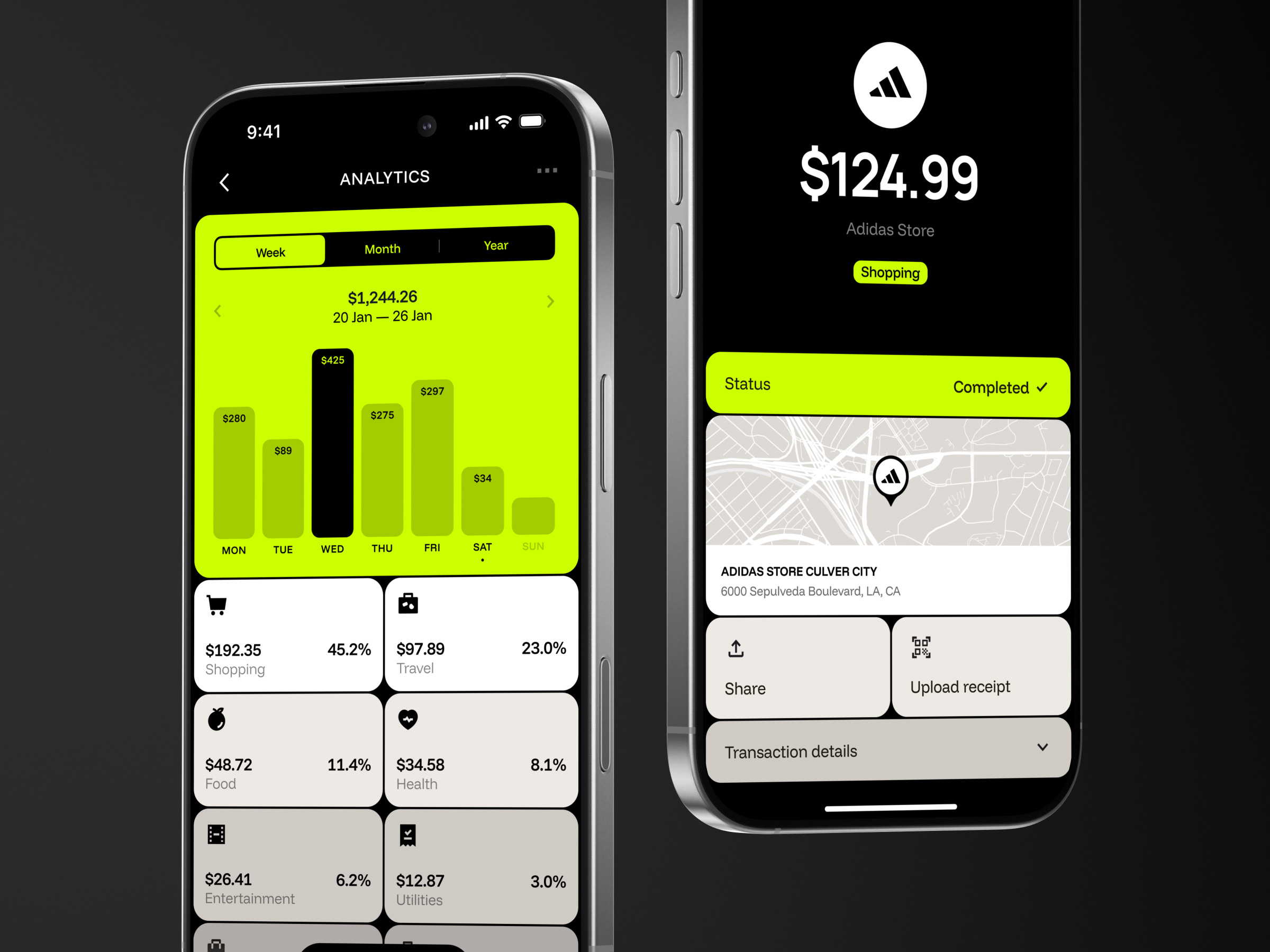
The mobile app serves as the primary touchpoint for your customers. Its design must prioritize intuitive navigation, accessibility, and clarity. Rather than overwhelming users with dense text or raw data sets, the interface should present financial insights in an easily digestible format. Performance is critical; any latency or instability can lead to immediate user churn.
The Core Banking Engine (Backend)
Acting as the central nervous system, the backend manages account structures, computes interest, and maintains real-time balance accuracy. It ensures the integrity of the general ledger. When users initiate transfers, make card payments, or scan QR codes, the payment processing layer facilitates the actual movement of funds by connecting to major networks such as Visa, Mastercard, or local clearinghouses. Precision here is paramount, as even a single transaction error can severely damage customer trust and brand reputation.
Regulatory and Security Infrastructure
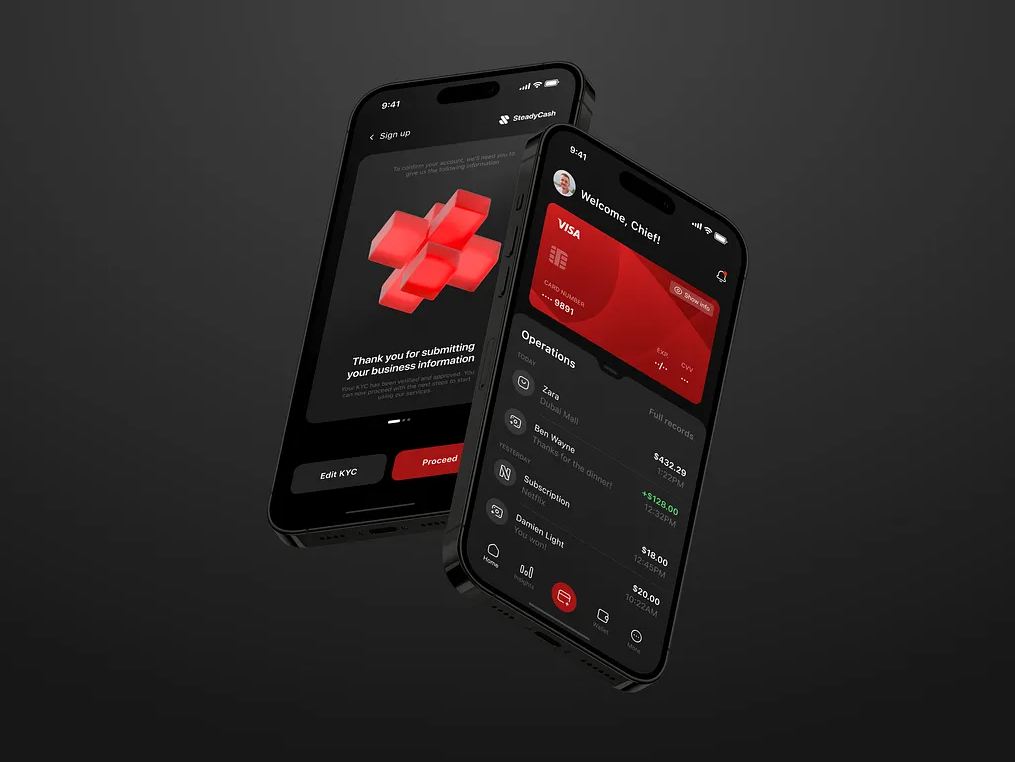
Compliance modules are indispensable for legal operation. These systems automate Know Your Customer (KYC) protocols, anti-money laundering (AML) screenings, and fraud detection algorithms. Operating continuously in the background, they validate transactions to mitigate legal risks. While identity verification steps—such as biometric selfies—may seem cumbersome to users, they are generally accepted as necessary measures to ensure platform security and exclude malicious actors.
Data Analytics and Insights
Analytics tools provide visibility into user behavior and system performance. By monitoring metrics such as click-through rates, transaction volumes, and drop-off points, you can identify trends, understand why users might be leaving, and determine which features drive engagement. This data-driven approach allows for continuous improvement of the product.
In summary, building a digital bank involves integrating these complex layers into a cohesive unit that is far more intricate than its sleek exterior suggests.
Essential Features for a Competitive Neobank
Before introducing advanced capabilities like artificial intelligence or cryptocurrency support, a neobank must master the fundamentals. Users primarily evaluate a platform based on its reliability and ease of use. Even the most aesthetically pleasing application will fail if it cannot execute basic transactions smoothly. Stability and simplicity are the foundations of user trust.
Here are the core functionalities that modern users consider standard:
1. Seamless Account Onboarding and Management
The days of lengthy paperwork and week-long approval processes are over. Modern users expect to create an account and begin banking within minutes, directly from their mobile device. If the registration process exceeds five minutes, conversion rates drop significantly.
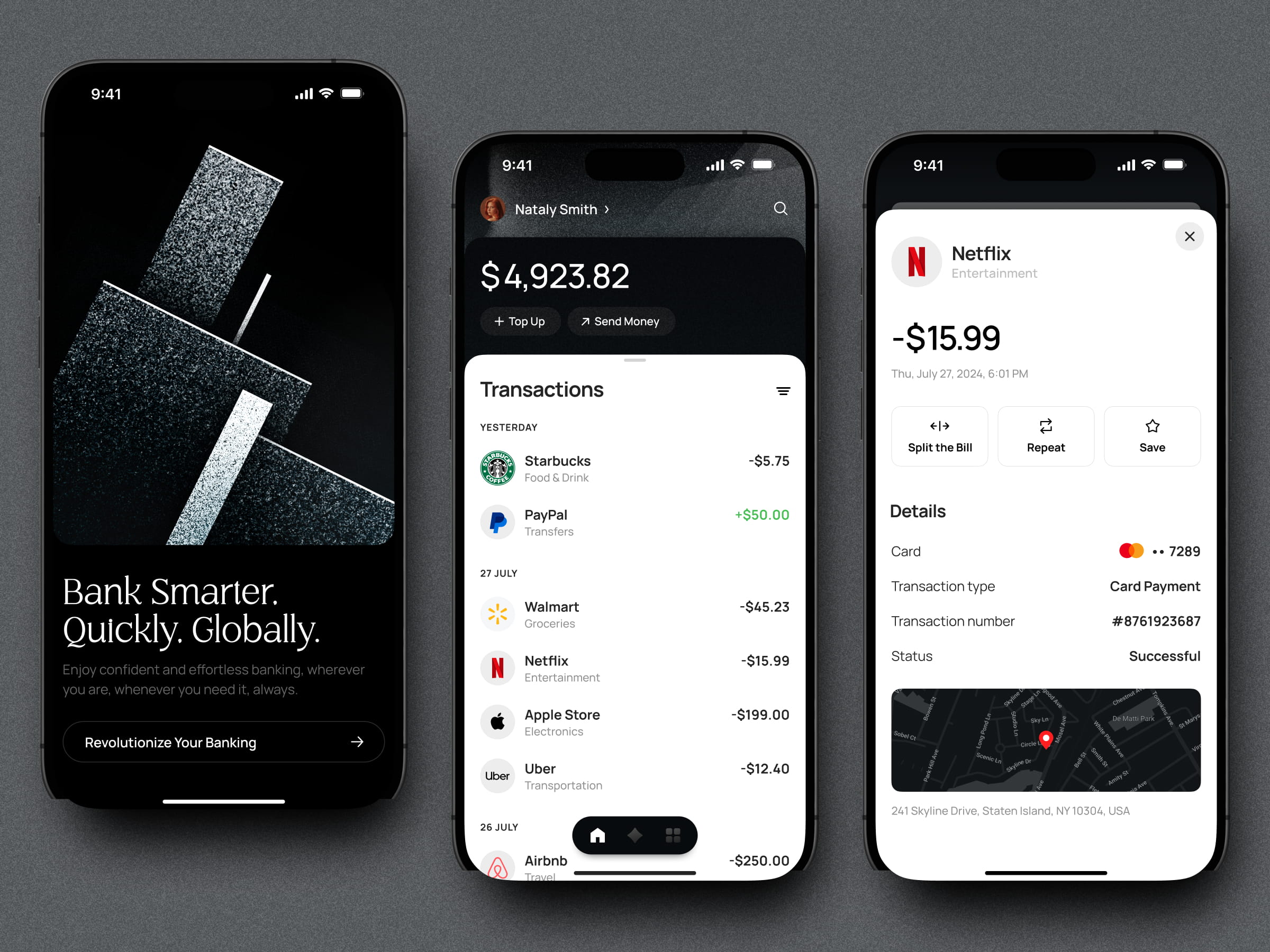
Once onboarded, users require flawless, real-time visibility into their finances. Transaction histories must be instant, searchable, and clearly categorized across all device formats. Since users frequently check their balances—particularly when managing tight budgets—even minor delays or inaccuracies can erode confidence immediately. Precision and speed in data display are non-negotiable.
2. Frictionless Payments and Transfers
Peer-to-peer (P2P) transfers are central to contemporary banking. Sending money to friends or splitting bills should be as intuitive as sending a text message. Requiring complex details like routing numbers for small, casual transactions creates unnecessary friction and reflects poor design.
Furthermore, neobanks have a distinct advantage over traditional institutions in international payments. By offering near-instant cross-border transfers with transparent, low-cost fees, neobanks appeal strongly to travelers and expatriates. Simplifying global money movement to match the ease of domestic transfers is a powerful competitive differentiator.
3. Dynamic Card Control and Financial Insights
While physical debit cards remain relevant, digital management capabilities are what truly empower users. Essential features include the ability to instantly freeze lost cards, generate virtual cards for secure online shopping, and update PINs without contacting customer support. These tools provide users with a sense of security and control.
Additionally, integrated financial analytics help users manage their spending habits. Automated budgeting tools and visual dashboards allow customers to track expenses, such as dining out or subscriptions, and receive alerts before they exceed their limits. This proactive approach helps users avoid overspending and achieve their savings goals.
4. Robust Security and Regulatory Compliance
Compliance with regulations such as GDPR, KYC (Know Your Customer), and AML (Anti-Money Laundering) is mandatory. However, the verification process must be streamlined. Advanced identity verification technologies should minimize user effort—avoiding repetitive uploads of poor-quality images—while effectively preventing fraud.
Behind the scenes, AI-driven fraud detection systems monitor for suspicious activity, such as transactions occurring in disparate geographic locations simultaneously. While false positives can occasionally inconvenience users by requiring additional verification, this layer of protection is crucial for safeguarding assets and maintaining user peace of mind.
5. Optimized Mobile-First Design
With two-thirds of the global population relying on mobile banking, a high-performance native application for iOS and Android is essential. The user experience must be responsive and intuitive, as any perceived clunkiness in the app translates to a perception of institutional inefficiency.
Design principles should prioritize "thumb-friendly" navigation, featuring large touch targets and clear menus. Biometric authentication methods, such as Face ID or fingerprint scanning, are critical for balancing security with convenience, eliminating the need for cumbersome password entry, especially when users are on the go.

The Neobank Development Lifecycle
In the fintech sector, the "move fast and break things" mantra is dangerous. Technical failures here result in financial loss for users and severe regulatory penalties. Many teams mistakenly prioritize coding over planning, only to encounter critical roadblocks later—such as non-compliant workflows or infrastructure incapable of handling real-time data. To avoid these pitfalls, a structured, step-by-step approach is essential.
1. Strategic Planning and Regulatory Framework
Before writing code, you must define your business model and target audience. Are you serving freelancers, small businesses, or digital natives? This decision shapes your feature set and revenue strategy.
Simultaneously, you must address legal requirements. Depending on your jurisdiction, you may need to secure a full banking license—a process that can take years—or establish partnerships with licensed institutions. Engaging legal counsel early is crucial to prevent costly strategic pivots down the line.
2. User-Centric UX/UI Design
Design in fintech is about building trust. Users are managing their livelihoods, so confusion causes anxiety. If a user cannot locate the transfer function immediately, the design has failed.
Learn from the frustrations caused by traditional banking interfaces and do the opposite: prioritize clarity and simplicity. Avoid technical jargon and ensure every interaction feels secure. Steer clear of ambiguous design choices; instead, use clear visual cues and micro-interactions (such as subtle animations) to confirm successful actions, thereby reassuring the user.
3. Selecting the Technology Stack
Your choice of technology will determine your app’s scalability, security, and maintainability. Consider the following industry-standard options:
- Backend: Java offers stability for financial systems; Node.js is ideal for high-concurrency, real-time updates; Python (with FastAPI) suits rapid development and data-intensive tasks; C# is robust within Microsoft ecosystems.
- Frontend: React remains dominant for web dashboards. For mobile, choose between native development (Swift for iOS and Kotlin for Android) for maximum performance or cross-platform frameworks like Flutter or React Native for efficiency.
- Database & Infrastructure: PostgreSQL is the standard for ACID-compliant transactional data. Redis is excellent for caching and session management. Docker and Kubernetes are essential for containerization and orchestration.
4. Microservices Architecture and API Gateway
Monolithic architectures are ill-suited for modern neobanks. Instead, adopt a microservices approach. This ensures that a failure in one module (e.g., notifications) does not cripple critical functions like payments. Independent services enhance resilience and simplify updates.
APIs act as the connective tissue of your platform, linking your app to core banking providers, payment rails, and identity verification services. A robust API gateway is vital to manage these connections efficiently. If these integrations are slow or unstable, the entire user experience suffers.
5. Ecosystem Integrations
A neobank does not operate in isolation. You must integrate with various third-party providers:
- Payment Processors: (e.g., Stripe) for handling transactions.
- Card Issuers: (e.g., Marqeta) for producing physical and virtual cards.
- Data Aggregators: For income verification and account linking.
- Blockchain Systems: For crypto-related services.
Each integration introduces potential points of failure. Adopt a defensive engineering mindset by building fallback mechanisms and assuming that external services may occasionally become unavailable.
6. Rigorous Testing and Compliance Audits
Pre-launch testing must go beyond functional checks. Security is paramount: conduct penetration testing and vulnerability scans to protect against cyber threats, which are prevalent in fintech.
Regulatory compliance is equally critical. Auditors will verify that your KYC and AML protocols function as intended. While tedious, this process protects your company from fines and reputational harm.
Finally, perform load testing to simulate high-traffic scenarios. Ensure the system maintains performance under stress without lagging or queuing transactions. It is far better to delay launch than to release an unstable product.
7. Launch and Continuous Maintenance
Deploying to the App Store and Google Play marks the beginning, not the end, of your journey. Post-launch, you must monitor system health 24/7. Implement alerting systems for failed transactions, latency spikes, and server issues.
Expect to provide continuous support and updates. User feedback, evolving regulations, and emerging bugs will require ongoing attention. Treat your neobank as a living product that evolves over time. While demanding, seeing users rely on and appreciate your platform makes the effort worthwhile.
Key Challenges in Neobank Development
While the concept of a neobank may seem straightforward—build a sleek app, connect APIs, and attract users—the reality is far more complex. The path to launch is fraught with significant obstacles that go beyond simple coding tasks. Here are the primary hurdles developers and founders must overcome.
1. Navigating the Regulatory Maze
Compliance is not a one-time checklist but a continuous, dynamic challenge. Regulations vary significantly by jurisdiction and can change overnight. For instance, new Anti-Money Laundering (AML) laws can instantly render an existing onboarding workflow non-compliant.
Key regulatory frameworks include:
- KYC (Know Your Customer): Mandatory identity verification to prevent fraud.
- AML: Continuous monitoring to detect suspicious financial patterns.
- GDPR/CCPA: Strict data privacy standards for users in the EU and US.
- PCI DSS: Security standards for handling cardholder data.
A feature ready for launch can be stalled for months if it conflicts with obscure banking regulations. Underestimating compliance costs and timelines is a common mistake that depletes capital reserves. Success requires a development team deeply versed in regulatory requirements, not just general software engineering.
2. Balancing Security and User Experience
As digital-native entities, neobanks are prime targets for cybercriminals. Unlike traditional banks with decades of layered security, startups must build robust defenses from scratch while maintaining a seamless user experience.
The core challenge lies in minimizing false positives. Overly aggressive fraud detection can lead to legitimate transactions being declined, frustrating users and driving churn. Conversely, lax security exposes the platform to chargebacks and theft. Achieving the right balance requires continuous refinement of algorithms and extensive data analysis. Furthermore, any data breach can irreparably damage brand reputation, making security paramount.
3. Complex Legacy Integrations
Integrating modern applications with traditional banking infrastructure is rarely "plug-and-play." Many partner banks and payment processors rely on outdated systems with undocumented or inconsistent APIs. Developers often face the task of connecting sleek, contemporary interfaces to backend systems built on decades-old code.
Technical inconsistencies are common: one API may use JSON, another XML, and others may suffer from unpredictable latency or timeouts. Ensuring real-time, reliable data synchronization across these disparate systems is an engineering marathon that demands patience and sophisticated middleware solutions.
4. Building Trust Through Onboarding
There is an inherent tension between regulatory compliance and user convenience. KYC processes require substantial personal information, such as ID scans and proof of address. However, lengthy or cumbersome onboarding flows lead to high drop-off rates, as users may become bored or suspicious.
Striking the right balance is critical. The process must be efficient enough to retain users yet rigorous enough to satisfy legal requirements and exclude fraudsters. Establishing trust involves more than just technical functionality; it requires transparent communication, intuitive design, and responsive support. Convincing users to entrust their finances to a new digital platform is a psychological hurdle that is often more difficult to clear than the technical ones.

The Strategic Advantage of Partnering with Neobank Specialists
The allure of building a neobank entirely in-house is strong. Founders often desire full intellectual property control and take pride in the notion of creating a product from the ground up. However, relying on generalist developers to navigate the complexities of fintech is a high-risk strategy. Unlike e-commerce or social media platforms, where a bug might cause minor inconvenience, errors in banking software can lead to direct financial loss and severe legal consequences.
Partnering with a specialized neobank development firm is not an admission of inadequate internal talent; rather, it is a strategic decision to leverage deep, industry-specific expertise. Here is why this approach often proves more efficient and secure.
1. Specialized Financial Domain Knowledge
There is a distinct difference between standard application development and financial engineering. While generalist developers may be proficient in languages like Swift or React Native, they often lack experience with critical banking nuances, such as maintaining ledger integrity during offline states or preventing double-spending errors.
Specialized firms bring pre-existing solutions to these complex challenges. They understand how to present intricate financial data in a user-friendly manner and anticipate user behavior in high-stress scenarios, such as late-night balance checks. By optimizing for speed and clarity, they prevent the anxiety caused by transaction delays—a detail that generalist teams might overlook. Essentially, you benefit from their past experiences, avoiding common pitfalls without having to learn them the hard way.
2. Robust and Scalable Architecture
Many startups initially opt for monolithic structures or template-based solutions to accelerate early development. However, these systems often fail under pressure, such as during traffic spikes or international expansion.
Expert developers prioritize scalable architectures from day one. They employ microservices capable of handling millions of transactions per second and design databases that ensure ACID compliance without sacrificing performance. This foundational robustness allows for the seamless integration of new payment rails or currencies without requiring a complete system overhaul. Building a resilient infrastructure upfront prevents the costly and disruptive need to rebuild the core system shortly after launch.
3. Integrated Compliance and Security
Regulatory adherence is arguably the most challenging aspect of fintech development. Laws such as GDPR, PSD2, KYC, and AML are complex, region-specific, and constantly evolving. Non-compliance can result in hefty fines and operational shutdowns.
For specialized developers, compliance is not an afterthought but a core component of the development process. These teams possess dedicated security experts who implement advanced encryption, key management, and fraud detection systems. Having undergone numerous audits, they understand regulatory expectations intimately. This expertise acts as a protective shield, ensuring that user data and funds are secured according to industry best practices, thereby mitigating risk and providing peace of mind.
Conclusion
Developing a neobank is less about writing code and more about harmonizing three critical elements: regulatory compliance, advanced technology, and user trust. While the journey often begins with a simple concept—such as simplifying finances for freelancers or streamlining international transfers—executing that vision requires navigating a highly complex landscape.
Success in this sector rests on three fundamental pillars:
- Intuitive User Experience: The interface must be seamless and straightforward. If users find the app confusing or sluggish, they will abandon it before completing their first transaction. Ease of use is paramount to retention.
- Uncompromising Security: Robust protection against fraud and data breaches is non-negotiable. Without ironclad security measures, the platform becomes a significant liability rather than an asset.
- Scalable Infrastructure: The underlying architecture must be resilient enough to support growth, handling everything from a handful of initial users to millions of concurrent transactions without performance degradation.
Attempting to build this ecosystem entirely in-house, particularly without prior fintech experience, is a common cause of project failure. The regulatory environment is dense, and the technical requirements are highly specialized.
Therefore, the most strategic approach is to collaborate with a dedicated neobank development partner. Such firms provide proven expertise, established security protocols, and robust architectural frameworks, allowing you to bypass costly trial-and-error phases and accelerate your path to market.
About the Creator
Shakuro
We are a web and mobile design and development agency. Making websites and apps, creating brand identities, and launching startups.
Enjoyed the story? Support the Creator.
Subscribe for free to receive all their stories in your feed.
Comments
There are no comments for this story
Be the first to respond and start the conversation.