
Modernizing the Backbone: Overcoming Aging Infrastructure in the Utility Sector
Explore the challenges utilities face by aging infrastructure and how to overcome those challenges.
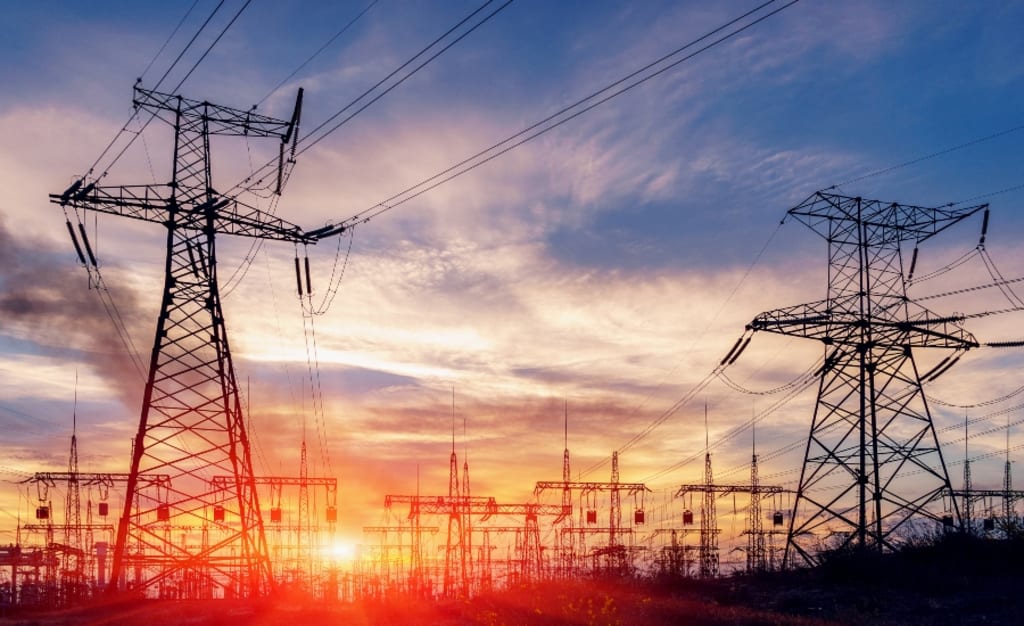
The market size of utilities is expected to grow to $8,314.78 billion in 2027 at a compound annual growth rate (CAGR) of 6.8%. The rapid growth in investments in renewable power generation capacities is expected to drive the utilities market during the forecast period.
The utility sector is the unsung hero of modern society, providing us with essential services like electricity, water, and natural gas. But behind the scenes, there's an ongoing challenge that the industry faces: aging infrastructure. From power grids to water treatment plants, much of the utility sector's backbone was built decades ago and is now in desperate need of a facelift.
In this blog post, we'll explore the implications of aging utility infrastructure and the steps being taken to modernize it.
The Challenge of Aging Infrastructure
Imagine a power grid designed in the 1950s, or water pipes laid down in the early 20th century. While these systems were once cutting-edge, they're now showing their age. Aging infrastructure presents several challenges:
1. Reliability Issues
Older infrastructure is more prone to breakdowns and outages, leading to service disruptions and inconvenience for customers.
2. Inefficiency
Outdated equipment and systems are less energy-efficient and cost-effective to operate, which can lead to higher bills for consumers.
3. Safety Concerns
Aging infrastructure may not meet modern safety standards, potentially posing risks to both utility workers and the public.
4. Environmental Impact
Inefficient systems can lead to unnecessary resource consumption and environmental harm.
5. The Need for Modernization
Recognizing the need for action, utility companies and regulatory bodies are taking steps to modernize the sector's infrastructure:
6. Investment
Utility companies are allocating significant resources to upgrade their infrastructure, from replacing old pipes and power lines to investing in smart grid technology.
7. Smart Technologies
The integration of smart technologies like sensors, automation, and real-time monitoring is revolutionizing the utility sector. These innovations enhance efficiency, reduce waste, and improve reliability.
8. Renewable Energy Integration
Modernization efforts often include transitioning to cleaner and more sustainable energy sources, aligning with global efforts to combat climate change.
9. Digitalization
Digital tools and data analytics are being used to optimize operations, predict maintenance needs, and respond more effectively to outages.
10. Challenges and Costs
Modernizing utility infrastructure is not without its challenges. The costs can be astronomical, and disruptions during the upgrade process can inconvenience customers. Additionally, regulatory hurdles and public resistance to rate hikes can slow progress.
Conclusion
The utility sector's aging infrastructure is a pressing issue that can't be ignored. The sector plays a critical role in our daily lives, and the reliability and efficiency of these utility services are paramount. While the road to modernization is complex and costly, it's a necessary journey. By embracing smart technologies, investing in sustainable practices, and working collaboratively with regulators and communities, utility companies are paving the way for a more reliable, efficient, and sustainable future.
In the end, the modernization of the utility sector's backbone infrastructure will not only benefit consumers but also contribute to a more resilient and environmentally conscious society. It's an investment in the future that's well worth making.
About the Creator
Enjoyed the story? Support the Creator.
Subscribe for free to receive all their stories in your feed.
Comments
There are no comments for this story
Be the first to respond and start the conversation.