
Mobility Scooters and Public Transportation: Navigating the Rules
Mobility scooters

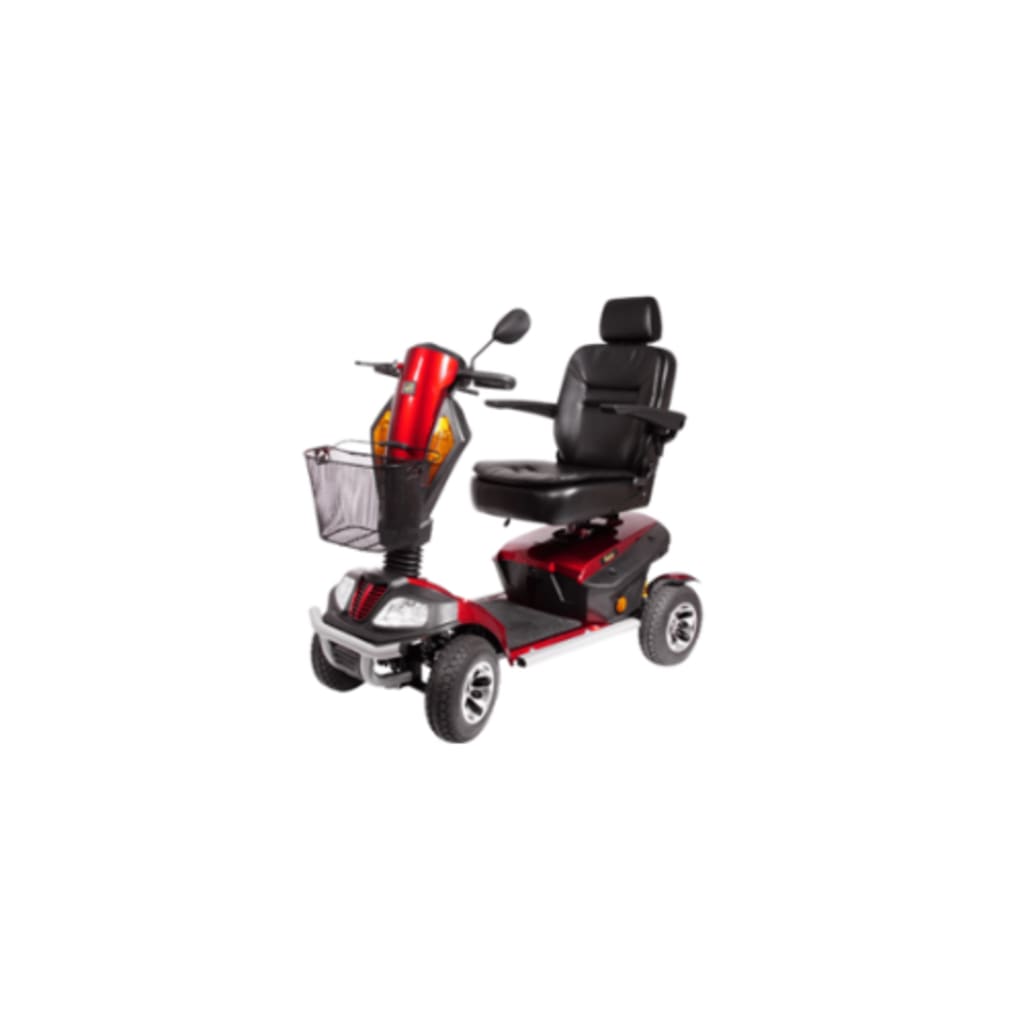
As our cities become more accessible and inclusive, the integration of mobility scooters into public transportation systems has gained significant attention. For many users, particularly seniors and individuals with disabilities, an electric mobility scooter provides an invaluable means of independence. However, navigating the rules surrounding their use in public transport can be complex. This guide aims to clarify the essential regulations, rights, and best practices for using electric mobility scooters on public transportation.
Understanding Electric Mobility Scooters
Electric mobility scooters are designed to assist those with limited mobility in getting around independently. These scooters come in various sizes and styles, making them versatile for both indoor and outdoor use. Unlike traditional wheelchairs, mobility scooters offer users a comfortable seating position and are equipped with features such as baskets for carrying items. However, while these scooters enhance mobility, they also require users to understand the specific regulations that govern their use in public spaces.
General Regulations
Each transportation authority may have its own set of rules regarding the use of electric mobility scooters, but some common regulations exist. Typically, scooters must meet certain size and weight specifications to be allowed on buses and trains. For instance, many public transport systems require scooters to have a maximum width of 30 inches and a weight limit of around 600 pounds, including the user. Users should measure their scooters before attempting to board to avoid issues.
Additionally, some systems may require users to reserve a spot for their scooter in advance, especially during peak travel times. This helps ensure that adequate space is available and that other passengers are not inconvenienced.
Boarding Public Transport
When it comes time to board public transportation, there are several key points to remember:
Approach with Caution: Always approach the vehicle at a designated stop. Be mindful of your surroundings and wait for the driver’s signal to board.
Using Ramps and Lifts: Most public transportation vehicles are equipped with ramps or lifts. Familiarize yourself with their operation, as some drivers may assist you, but others might expect you to manage the process independently.
Securing Your Scooter: Once on board, secure your electric mobility scooters in the designated area. This may involve using safety straps or parking your scooter in a specific location to ensure it does not block aisles or emergency exits.
Informing the Driver: If you have any special needs or concerns, don’t hesitate to inform the driver. They are trained to assist passengers with mobility challenges and can provide guidance.
Etiquette on Public Transport
Respect and consideration for fellow passengers are crucial when using an electric mobility scooter on public transport. Here are a few etiquette tips to keep in mind:
Be Mindful of Space: Electric mobility scooters can take up significant room. Ensure you park your scooter in designated areas and avoid blocking aisles or doors.
Keep Noise to a Minimum: Electric scooters are generally quiet, but avoid any unnecessary noise that might disturb others.
Respect Priority Seating: If you’re able to, leave priority seating areas for those who may need them more, such as elderly passengers or those with other disabilities.
Rights and Resources
In many regions, individuals using electric mobility scooters are protected under various laws, including the Americans with Disabilities Act (ADA) in the United States. This legislation ensures that individuals with disabilities have the right to access public transportation. If you encounter discrimination or difficulties while using your scooter, document the incident and contact your local transport authority for assistance.
Resources are also available to help users better understand their rights. Local advocacy groups often provide information about public transportation regulations and can offer support in navigating challenges.
Conclusion
Navigating the rules surrounding electric mobility scooters and public transportation can initially seem daunting, but with the right knowledge and preparation, users can enjoy a seamless travel experience. Understanding regulations, practicing good boarding etiquette, and being aware of your rights will empower you to utilize public transportation effectively. By fostering an environment of respect and inclusivity, we can ensure that everyone, regardless of mobility challenges, has the freedom to explore their communities. So whether you’re heading to the grocery store, a doctor’s appointment, or a social gathering, your electric mobility scooter can be your key to independence and mobility.
About the Creator
Mobility Scooter
Since 2007, we’ve specialized in electric vehicles, scooters, and mobility scooters. We offer top-quality mobility scooters with a 2-year guarantee, the only one in the industry.
Enjoyed the story? Support the Creator.
Subscribe for free to receive all their stories in your feed.
Comments
There are no comments for this story
Be the first to respond and start the conversation.