
Mobile Data for Festival Trips Abroad: Staying Online Without Draining Your Plan
A practical guide to managing mobile data at international music festivals — from eSIM options to offline strategies that keep you connected without unexpected charges.A practical guide to managing mobile data at international music festivals — from eSIM options to offline strategies that keep you connected without unexpected charges.
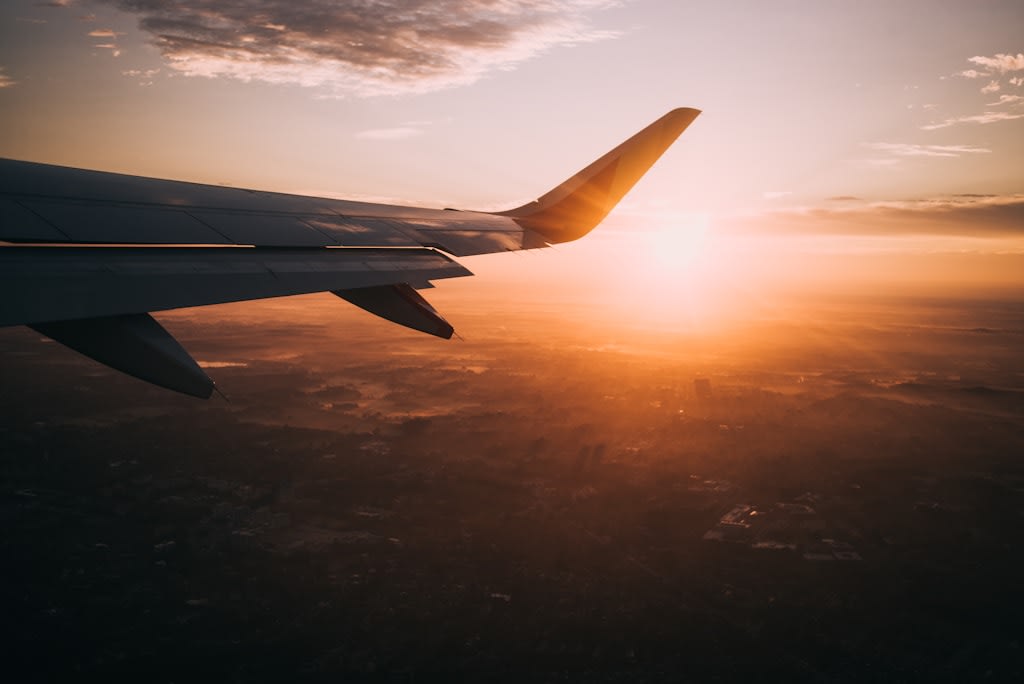
Traveling abroad for a music festival is one of those experiences that feels genuinely electric — new country, great music, thousands of strangers who all share the same enthusiasm. But the moment you glance at your phone and realize you have burned through your data allowance before the headline act even starts, that excitement fades fast.
Staying connected while traveling internationally does not have to be stressful or expensive. It just requires a little planning before you leave home. Here is what festival travelers actually need to know about managing mobile data abroad.
Why Planning Mobile Data Before You Go Actually Matters
Most people think about data management only after something goes wrong — an unexpected roaming charge, a dead signal at the worst moment, or a bill waiting at home that takes the shine off the whole trip.
The reality is that international data costs vary enormously depending on your home carrier, your destination country, and the type of plan you are on. Without checking in advance, you could be paying several dollars per megabyte on a standard roaming arrangement — rates that add up terrifyingly quickly when you are trying to share photos, navigate an unfamiliar city, or coordinate meeting points with friends across a crowded festival site.
Spending thirty minutes researching your options before departure can save you a significant amount of money and a great deal of frustration.
What Are Your Main Options for Staying Connected Abroad?
There are three realistic choices for international connectivity, each with its own trade-offs.
Your home carrier's international roaming plan is the most convenient option because it requires no setup. You simply arrive and your phone works. The downside is cost — roaming packages from many carriers are either expensive or come with tight data caps that do not stretch far across a multi-day festival.
A local SIM card purchased at your destination can offer much cheaper rates, but it comes with practical friction. You need to find a store, navigate potential language barriers, complete paperwork, share personal information with a third party, and in some countries provide local identification. If you arrive late or on a weekend, availability can be an issue. You also lose your home number for the duration of the trip, which creates its own complications.
eSIM technology has emerged as a genuinely useful middle ground for travelers. An eSIM is a digital SIM built into your phone that allows you to activate a data plan without needing a physical card. You can set it up before you leave home, activate it the moment you land, and manage everything from your phone. Many eSIM services allow you to store multiple plans and switch between them easily, which is particularly useful if you are moving between countries on a longer trip. eSIM Lumisim is one such service designed with travelers in mind, offering flexible data packages and a built-in app that tracks your usage in real time and sends notifications when you are approaching your limit — removing the guesswork entirely.
Practical Ways to Avoid Draining Your Data at a Festival
Even with a solid data plan in place, festivals are high-consumption environments. You are sharing images, streaming music, using maps, and staying in contact with a group — often all at once. A few habits make a meaningful difference.
Use Wi-Fi whenever it is available. Many festivals now offer Wi-Fi zones, and most hotels, hostels, and cafes near festival sites have networks you can use for heavier tasks like uploading photos or downloading content.
Download what you need before you leave. Offline maps of the area, the festival schedule, playlists, and any podcasts or videos you want for travel days should all be downloaded over Wi-Fi at home or at your accommodation. This alone can dramatically reduce how much data you consume day-to-day.
Turn off background data for apps that do not need it. Social media platforms, news apps, and streaming services refresh constantly in the background. Switching these off when you are not actively using them preserves a surprising amount of data over the course of a multi-day event.
Avoid streaming video in high definition, or at all, when you are on mobile data. Video is by far the largest consumer of data. If you want to watch something, download it first.
Set a data usage limit directly on your device. Both Android and iOS allow you to set a threshold at which your mobile data cuts off automatically — a useful safety net if you lose track of consumption during a busy day.
Check your usage regularly. Whether you use your phone's built-in tracker or an app provided by your data service, keeping an eye on where you stand prevents the unpleasant surprise of running out at an inconvenient moment.
A Note on eSIM Services and Prepaid Data
One practical advantage of prepaid eSIM services worth understanding is that they remove the risk of unexpected charges entirely. Because you pay for a set amount of data in advance, your connection simply stops when the package is exhausted — you cannot accidentally accumulate a debt. If you need more, you purchase an additional top-up. This structure gives you complete visibility over what you are spending, which is particularly valuable when you are already managing a travel budget across flights, accommodation, tickets, and food.
Frequently Asked Questions
What is an eSIM and how does it work?
An eSIM is a digital SIM card built into your device. Instead of inserting a physical card, you activate a plan through software. This makes switching between carriers or data packages straightforward — particularly useful for travelers moving between countries or looking for flexible short-term plans.
How do I check my data usage on a smartphone?
Both Android and iOS have built-in data monitors accessible through Settings. These show how much data each app has consumed over a set period and allow you to set usage alerts or limits. Some eSIM services also provide their own usage dashboards with more granular tracking.
Why should I avoid streaming video at festivals?
Video streaming consumes more data than almost any other activity on a smartphone. A single hour of standard-definition streaming can use over 1GB. Downloading content in advance over Wi-Fi and using offline modes in apps like Spotify or Netflix eliminates this drain entirely.
Is switching to a local SIM card straightforward in most countries?
It depends heavily on the destination. Some countries have simple, tourist-friendly SIM setups available at airports. Others require local identification, involve language barriers, or have limited retail availability. Researching your specific destination in advance is essential if this is the route you plan to take.
What happens if I run out of data while abroad?
With most prepaid services, your connection stops when your data is exhausted. You can then purchase a top-up or a new plan. The key advantage of prepaid services is that you never accumulate unexpected charges — your spending is always capped at what you have already paid for.
Final Thought
The best festival experiences are the ones where logistics stay invisible — where you can focus entirely on the music, the atmosphere, and the people around you rather than worrying about whether your phone is about to become useless. Getting your data situation sorted before departure is one of the simplest ways to make that happen. A little research, a sensible plan, and a few adjusted habits on your device are all it takes.
About the Creator
Enjoyed the story? Support the Creator.
Subscribe for free to receive all their stories in your feed.
Comments
There are no comments for this story
Be the first to respond and start the conversation.