
Measuring Success: Evaluating the ROI of Digital Signage in Healthcare Settings
Digital signage has become an integral part of the healthcare industry, revolutionizing communication, patient engagement, and overall experiences within healthcare settings.
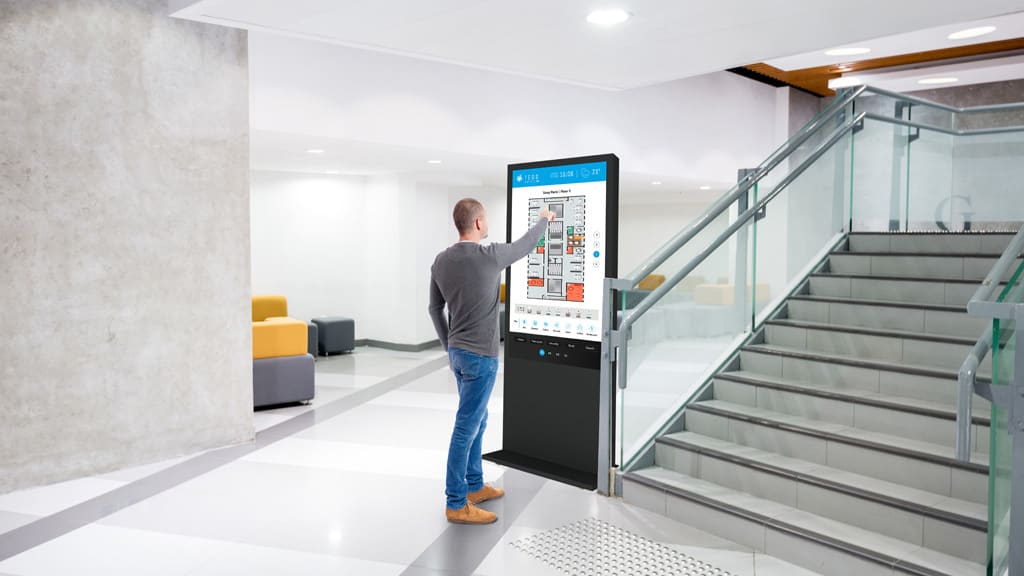
Digital signage has become an integral part of the healthcare industry, revolutionizing communication, patient engagement, and overall experiences within healthcare settings. While the benefits of implementing digital signage are evident, healthcare facilities need to measure the return on investment (ROI) to justify the resources allocated to this technology. Evaluating the success of digital signage in healthcare goes beyond monetary gains; it encompasses factors such as improved patient outcomes, staff efficiency, and overall satisfaction. In this article, we will explore the key metrics and methodologies used to measure the ROI of digital signage in healthcare settings.
Enhanced Communication and Information Delivery
One of the primary goals of best digital signage in healthcare is to improve communication between healthcare providers, patients, and visitors. Evaluating the success of digital signage can start by analyzing the effectiveness of information delivery. Metrics such as the number of patients or visitors who actively engage with the signage, the frequency of content updates, and the relevance of displayed information can provide insights into the success of communication strategies. Surveys or feedback from patients and staff regarding the clarity, usefulness, and impact of the signage can further enhance the evaluation process.
Patient Engagement and Satisfaction
Digital signage plays a significant role in enhancing patient engagement and satisfaction within healthcare settings. Measuring the success of digital signage in this aspect involves assessing patient satisfaction scores before and after the implementation of the technology. Surveys or questionnaires can be used to gauge the perceived value of the signage in terms of providing relevant and timely information, reducing perceived wait times, and increasing overall satisfaction. Additionally, tracking patient engagement with interactive displays, such as games or health quizzes, can provide valuable insights into the level of involvement and entertainment provided by the signage.
Operational Efficiency and Cost Savings
Efficiency gains and cost savings are critical components when evaluating the ROI of digital signage in healthcare settings. By utilizing digital signage to streamline operational processes, healthcare facilities can save time and resources. For instance, displaying real-time wait times or appointment reminders can help optimize patient flow and reduce staff workload. Tracking metrics such as reduced patient wait times, improved workflow, and staff feedback can provide quantitative data on the impact of digital signage on operational efficiency. Additionally, assessing cost savings resulting from reduced printing and material costs associated with traditional signage methods contributes to the overall evaluation of ROI.
Health Outcomes and Patient Education
Digital signage can play a crucial role in patient education and promoting healthier behaviors. Evaluating the impact of digital signage on health outcomes involves analyzing data such as patient adherence to treatment plans, readmission rates, and overall health improvements. By measuring the effectiveness of educational content displayed through digital signage, healthcare providers can assess whether patients are better informed, empowered, and actively involved in their own care. Tracking metrics such as reduced readmission rates or improved medication adherence can provide tangible evidence of the impact of digital signage on health outcomes.
Revenue Generation and Marketing Opportunities
Digital signage also presents revenue generation and marketing opportunities for healthcare facilities. For instance, healthcare providers can display advertisements for relevant services or promote partnerships with pharmaceutical companies. Evaluating the success of digital signage in revenue generation can involve tracking the number of partnerships formed, revenue generated from advertisements, or increased footfall in ancillary services. Additionally, monitoring the impact of digital signage on brand perception, patient loyalty, and word-of-mouth referrals can provide qualitative data on the marketing success of the technology.
Conclusion
Measuring the ROI of digital signage in healthcare settings is crucial to understand the impact and effectiveness of this technology. Evaluating the success of digital signage goes beyond financial gains and includes factors such as improved communication, patient engagement, operational efficiency, and health outcomes. By analyzing metrics related to information delivery, patient satisfaction, operational efficiency, health outcomes, and revenue generation, healthcare facilities can gain valuable insights into the effectiveness and return on investment of their digital signage initiatives. This data-driven approach allows healthcare providers to make informed decisions, optimize their digital signage strategies, and continually enhance the overall patient experience and outcomes.
About the Creator
Enjoyed the story? Support the Creator.
Subscribe for free to receive all their stories in your feed.
Comments
There are no comments for this story
Be the first to respond and start the conversation.