
Maintenance Tips for Submersible Pumps: How to Ensure Longevity and Efficiency?
Tips for Submersible Pumps
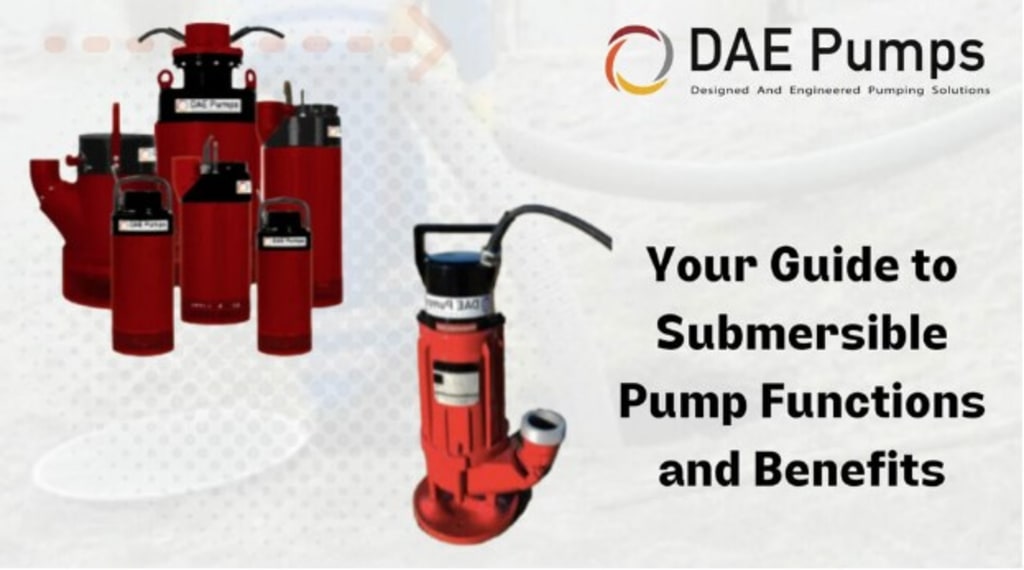
Submersible pumps play a crucial role in various applications, from residential water systems to industrial processes. To ensure their longevity and efficiency, regular and thorough maintenance is essential.
Cleaning the pump periodically is another important maintenance step. Regularly remove debris such as leaves, sand, or sediment from around the pump intake, using appropriate tools to avoid damaging components. Flushing the system with clean water can help remove accumulated sediment and debris, maintaining the pump's efficiency.
Here are some key maintenance practices to keep your submersible pump running smoothly.
Routine Inspections
Start with routine inspections to identify potential issues before they escalate. Examine the pump housing for signs of corrosion, cracks, or physical damage. Ensure that the housing is securely fastened and not compromised. Electrical connections should be checked for wear, damage, or loose wiring, as these can affect the pump’s performance and safety. Additionally, inspect the discharge and suction lines for leaks, blockages, or signs of wear, and make sure all connections are secure.
Cleaning the Pump
Regular cleaning is crucial for maintaining pump efficiency. Remove debris such as leaves, sand, or sediment from around the pump’s intake, using appropriate tools to avoid damaging the components. Periodically flush the system with clean water to remove accumulated sediment and debris. This helps in preventing blockages and ensures the pump operates effectively.
Monitoring Pump Operation
To ensure optimal performance, monitor the pump’s operation closely. Check the flow rate and compare it with the pump’s specifications; significant deviations could indicate blockages or wear. Pay attention to unusual noises, such as grinding or rattling, which could signal mechanical problems. Excessive vibration can also be a concern, as it may indicate misalignment or internal damage.
Power Supply Checks
The stability of the power supply is critical for pump efficiency. Regularly verify that the voltage supply matches the pump’s requirements using a multimeter. Inspect the electrical wiring for signs of fraying, corrosion, or loose connections. Address any issues with the power supply promptly to avoid damaging the pump.
Bearings and Seals Maintenance
Bearings and seals are essential for smooth pump operation. Regularly lubricate the bearings to reduce friction and wear, using the manufacturer-recommended lubricant and following suggested intervals. Inspect seals for signs of wear or leaks and replace any damaged or worn seals to prevent leakage and protect internal components.
Testing Safety Features
Ensure that the pump’s safety features are functioning correctly. Test the overload protection mechanism to verify that it shuts down the pump in case of an overload. Similarly, check the float switch to ensure it activates and deactivates the pump at the correct water levels. Clean or adjust the float switch as necessary.
Proper Installation
Proper installation is crucial for the pump’s performance and lifespan. Confirm that the pump is installed at the appropriate depth for optimal operation. Ensure it is properly aligned with the discharge and suction lines to minimize stress on components and prevent premature wear.
System Pressure Monitoring
Monitoring system pressure helps in identifying potential issues. Use pressure gauges to track system pressure and detect significant deviations from normal levels. Make necessary adjustments to maintain optimal pressure and address any issues that could impact pressure levels, such as blockages or leaks.
Immediate Problem Resolution
Address any detected problems immediately to prevent further damage. For complex issues or repairs, seek assistance from a qualified professional. Avoid attempting repairs without proper knowledge or tools, and follow the manufacturer’s recommendations or professional advice to ensure correct repairs.
Documenting Maintenance Activities
Maintain detailed records of all maintenance activities, including inspections, repairs, and part replacements. Keeping a log of performance metrics such as flow rate and pressure helps in tracking the pump’s health and detecting any deviations or trends that may indicate potential problems.
By adhering to these maintenance tips, you can ensure the longevity and efficiency of your submersible pump, avoiding costly repairs and optimizing performance. Regular maintenance, proper installation of Submersible pumps, and timely problem resolution are key to keeping your pump in optimal condition.
About the Creator
Enjoyed the story? Support the Creator.
Subscribe for free to receive all their stories in your feed.
Comments (1)
Thanks for sharing