
Kuala Lumpur's AI-Powered CCTV Network: Safety Breakthrough or Privacy Nightmare?
As of May 2026, Kuala Lumpur has transformed its urban surveillance landscape.

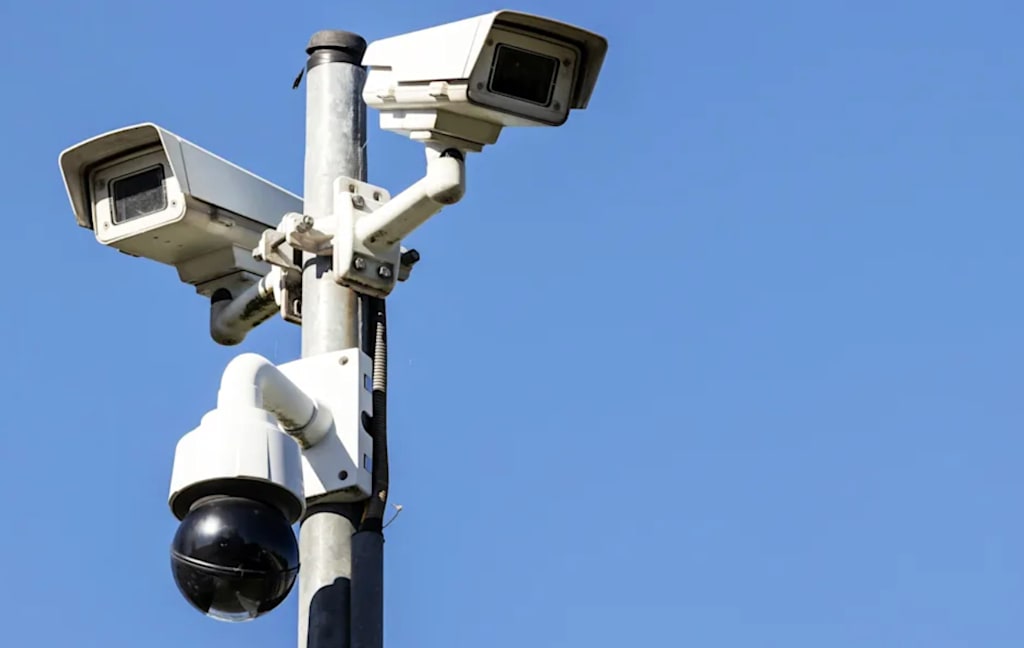
As of May 2026, Kuala Lumpur has transformed its urban surveillance landscape. The city has deployed 10,000 AI-powered CCTV cameras across key locations, integrating them into the Kuala Lumpur Command and Control Centre (KLCCC) . The goal is twofold: enhance public safety and manage traffic more effectively. But as with any powerful technology, the cameras bring both promise and controversy.
The system is already producing results. Authorities report a potential 50 percent increase in crime detection rates . Traffic enforcement has become more efficient, with cameras catching over 1,300 motorists daily for offenses like driving in bus lanes or parking in yellow boxes . Emergency response times have improved, with faster detection of incidents such as flash floods and accidents .
But privacy advocates are raising alarms. With cameras capable of facial recognition, behavioral analytics, and audio warnings, Kuala Lumpur is becoming one of the most monitored cities in Southeast Asia. The question is no longer whether the technology works. It is whether the trade-off security for privacy is one its citizens are willing to make.
The Technology: What These Cameras Can Do
The new cameras are not passive observers. They are active, intelligent systems designed to analyze behavior, detect threats, and intervene in real time .
Facial Recognition : High-resolution cameras can spot and track specific individuals across the city. In theory, this helps authorities locate missing persons, identify suspects, and prevent crimes before they occur. In practice, it means every person moving through monitored areas is being digitally identified and logged .
Behavioral Analytics : The AI is programmed to detect suspicious movements and activities. A person loitering near a restricted area. A bag left unattended. A crowd forming rapidly. The system flags these events for human review .
Traffic Enforcement : The cameras automatically detect violations: bus lane intrusions, illegal parking, running red lights, and blocking yellow boxes. Fines are issued automatically, reducing the need for physical traffic police and eliminating claims of selective enforcement .
Audio Warnings : Perhaps the most intrusive feature. The system can broadcast audio warnings directly to individuals the AI deems suspicious. A voice from nowhere telling you to move along. A warning that you are being recorded. The effect is immediate and unsettling .
Real-Time Monitoring : The cameras operate 24/7, with 360-degree views, covering up to 200 meters . Footage is stored for 45 days , creating a searchable archive of urban activity .
The Impact: Crime and Traffic
The early results are impressive. Crime detection rates have improved significantly, though authorities have not released detailed statistics . The mere presence of cameras acts as a deterrent. Potential offenders know they are being watched. They know they can be identified. They know their faces are in a database .
Traffic management has seen the most visible impact. The 1,300 motorists caught daily in bus lanes represent a dramatic increase in enforcement . Yellow boxes that were routinely blocked at intersections are now respected. Bus lanes, once routinely violated, are clearing. The cameras do not get tired, do not look away, and do not accept excuses .
Emergency response has also benefited. The KLCCC can detect floods, accidents, or public disturbances within minutes, dispatching resources before calls even reach emergency services .
The Privacy Concerns
For every supporter of the AI cameras, there is a critic asking uncomfortable questions.
Who is watching the watchers? The system collects vast amounts of data: faces, movements, behaviors, patterns. Who has access to this data? How long is it retained? What safeguards prevent abuse?
Is there oversight? Currently, the legal framework governing AI surveillance in Malaysia is unclear. There are no specific laws regulating facial recognition technology, no independent review boards, no clear procedures for citizens to challenge erroneous identifications.
What about false positives? Facial recognition systems are not perfect. Studies have shown higher error rates for certain demographics. A false identification could lead to wrongful questioning, detention, or worse.
Where is the public debate? The cameras were deployed without significant public consultation. Many residents learned of the system only after it was operational. Privacy advocates are calling for clearer rules, better transparency, and meaningful citizen oversight .
The Broader Context
Kuala Lumpur is not alone. Cities across Asia from Beijing to Singapore to Jakarta are deploying AI surveillance at scale. The technology is becoming standard practice, not exception. The question is not whether to use AI cameras, but how to use them responsibly.
The counterargument is straightforward: public safety is a legitimate government interest. Cameras reduce crime. They save lives. They make the city safer for everyone. The benefits are tangible and measurable. The privacy concerns, while real, are abstract.
But abstract concerns become concrete when systems fail. When an innocent citizen is detained based on a false match. When footage is leaked or misused. When the surveillance state expands beyond its original mandate and begins monitoring lawful behavior.
These are not hypotheticals. They have happened elsewhere. They could happen here.
The Path Forward
Kuala Lumpur's AI camera network is not going away. The investment is made, the system is operational, and the results are being cited as a success. The question now is how to build the necessary checks and balances.
Privacy advocates are calling for:
Clear legal framework : Laws defining what data can be collected, how long it can be retained, and who can access it
Independent oversight : A review board with citizen representation to audit system use and investigate complaints
Transparency reports : Regular public disclosure of how many times the system has been used, for what purposes, and with what outcomes
Redress mechanisms : Clear procedures for citizens to challenge identifications and request data deletion
Kuala Lumpur's AI-powered CCTV network is a powerful tool for public safety. It is also a powerful tool for surveillance. The same technology that catches criminals can also track citizens. The same data that prevents crime can also chill dissent.
The city is safer. But safety is not the only value. Privacy matters. Civil liberties matter. Transparency matters. The challenge ahead is balancing these competing goods.
The cameras are watching. The question is: who is watching the cameras? And what will they do with what they see? The answer will determine whether Kuala Lumpur's AI network is remembered as a breakthrough in urban safety or a cautionary tale of surveillance overreach .
About the Creator
Mark Lim
Hi I am mark an automotive student and a car, tech and food enthusiast ! Im gonna try and post daily & hope you enjoy what I write and do share my page with people you know. I would gladly appreciate it! Cheers
Enjoyed the story? Support the Creator.
Subscribe for free to receive all their stories in your feed. You could also become a paid subscriber, letting them know you appreciate their work.
Comments
There are no comments for this story
Be the first to respond and start the conversation.