
Key Ingredients to Look for in a Keratin Smooth Repair Mask
Smooth
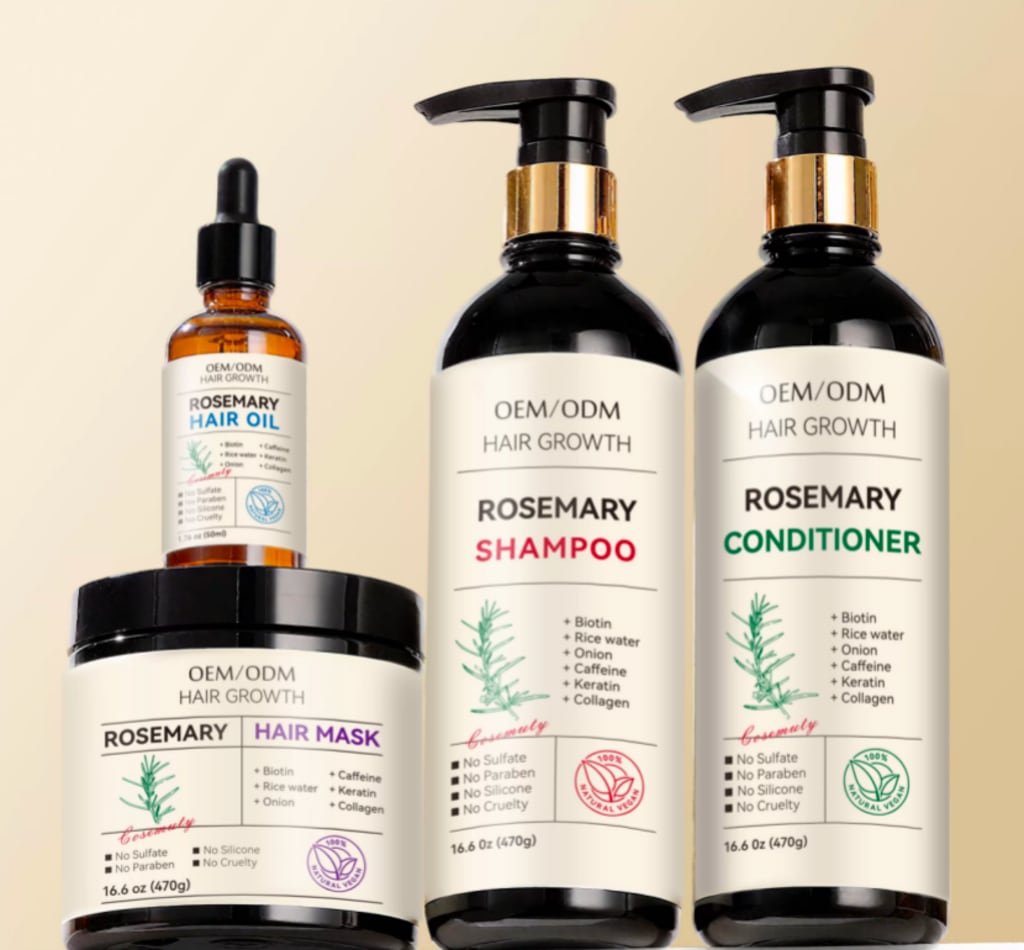
The beauty industry continues to evolve as researchers develop more sophisticated ways to care for damaged hair. Recent innovations have shifted the conversation away from temporary cosmetic improvements and toward long-term hair health. Consumers are becoming more interested in ingredient quality, scientific research, and transparent product development rather than bold marketing promises.
Hair damage has become a common concern worldwide. Frequent coloring, chemical treatments, heated styling tools, ultraviolet exposure, and environmental pollution all contribute to weaker strands over time. As these challenges become more common, cosmetic scientists are exploring new combinations of proteins, botanical extracts, and moisture-retaining ingredients that work together to improve the appearance and feel of hair.
This growing interest in evidence-based beauty has encouraged manufacturers to invest more heavily in research and development. Instead of relying on a single active ingredient, many modern formulations combine several complementary technologies to support healthier-looking hair.
One example is the keratin smooth repair mask, which reflects the industry's movement toward ingredient-focused formulations designed to address multiple aspects of hair care.
Research Focuses on Stronger Hair Fibers
Scientists now understand that healthy hair depends on maintaining both protein balance and adequate moisture. Hair fibers naturally contain keratin, a structural protein responsible for strength and flexibility. Daily exposure to styling tools and environmental stress gradually weakens this protective structure.
Rather than attempting to completely restore damaged hair, researchers focus on developing ingredients that improve the condition of the hair surface while helping reduce additional breakage. This balanced approach has become increasingly common throughout the global beauty industry.
Modern Protein Technology Continues to Improve
Keratin remains one of the most recognized ingredients in professional hair care. Advances in cosmetic chemistry have introduced hydrolyzed keratin, which consists of smaller protein fragments capable of spreading more evenly across the hair surface.
Because these fragments are smaller, they are often incorporated into lightweight formulations that avoid leaving excessive residue. Researchers continue studying how different protein sizes interact with damaged hair, leading to gradual improvements in product design.
Protein technology has also expanded beyond traditional keratin. Rice, wheat, soy, and pea proteins are increasingly included in cosmetic formulations as manufacturers explore plant-derived alternatives that align with sustainability initiatives.
Moisture Plays an Equal Role
While proteins receive considerable attention, hydration remains equally important for maintaining manageable hair.
Modern conditioning systems frequently include natural oils such as argan, coconut, avocado, and jojoba oil. These ingredients help improve softness while reducing the dry feeling that often follows repeated washing or heat styling.
Cosmetic formulators carefully balance oils with lightweight conditioning agents to provide hydration without creating unnecessary heaviness. This balance has become an important goal in contemporary product development.
Ceramides and Lipids Gain Recognition
Another area receiving increased scientific interest involves ceramides. These naturally occurring lipids help support the outer layer of the hair fiber.
Plant-based and laboratory-produced ceramides are now appearing in many advanced formulations. Their inclusion reflects ongoing research into strengthening the hair surface while improving smoothness and manageability.
Although ceramides are widely recognized in skin care, their growing role in hair care demonstrates how cosmetic science continues to adapt successful ingredients across different beauty categories.
Amino Acids Support Hair Structure
Hair is composed of numerous amino acids that contribute to its strength and flexibility. Ingredients such as arginine, cysteine, and serine are commonly incorporated into repair-focused formulations because they complement protein-based systems.
Rather than acting independently, amino acids often work alongside conditioning ingredients and moisturizers to support healthier-looking strands. Researchers continue exploring optimal ingredient combinations that provide balanced performance without overwhelming the hair fiber.
Hydration Technology Expands Beyond Traditional Conditioners
One notable trend involves the growing use of moisture-binding ingredients previously associated with skin care.
Hyaluronic acid has attracted attention because of its ability to retain water. Cosmetic developers have adapted this ingredient for hair products, where it contributes to hydration while maintaining lightweight performance.
Panthenol, also known as provitamin B5, remains another widely used ingredient. It helps attract moisture to the hair surface and improves flexibility, making it a valuable addition to many conditioning systems.
Consumers Read Ingredient Labels More Carefully
Market research consistently shows that shoppers are paying closer attention to ingredient lists before making purchasing decisions.
Rather than selecting products based solely on advertising, many consumers compare formulations, investigate ingredient functions, and seek greater transparency from manufacturers.
This change has encouraged beauty companies to simplify ingredient communication while reducing the use of unnecessary additives whenever possible.
The demand for clear labeling has also contributed to the popularity of sulfate-free cleansers, balanced fragrance systems, and formulas designed for a wider variety of hair types.
Sustainability Influences Product Development
Environmental responsibility has become an important consideration throughout the cosmetics industry.
Manufacturers increasingly evaluate renewable ingredient sources, recyclable packaging, and production methods that reduce waste. Plant-derived proteins, responsibly sourced botanical extracts, and environmentally conscious manufacturing practices continue gaining attention.
These initiatives demonstrate that product innovation now extends beyond ingredient performance alone.
Independent Testing Builds Confidence
As consumers become more informed, laboratory testing has taken on greater importance.
Manufacturers frequently evaluate products using measurements related to moisture retention, combing performance, breakage resistance, and overall hair condition. Independent assessments also contribute to a better understanding of how formulations perform under standardized conditions.
Although individual experiences naturally vary, evidence gathered through controlled testing provides valuable information that supports continued product improvement.
Looking Ahead
Hair care research continues to move toward formulations that combine multiple complementary ingredients instead of relying on a single solution. Proteins, amino acids, botanical oils, ceramides, antioxidants, and moisture-retaining compounds each contribute to a broader understanding of effective cosmetic science.
Consumers now have access to products developed through years of ingredient research and technological advancement. Rather than focusing solely on appearance, many modern formulations emphasize maintaining healthier-looking hair over time through balanced ingredient systems and thoughtful product design.
As innovation continues, the cosmetics industry is expected to refine these technologies even further. Developments in sustainable sourcing, ingredient transparency, and advanced formulation techniques are likely to shape the next generation of hair care products. Whether consumers are exploring traditional conditioners or a keratin repair hair mask, understanding the science behind the ingredients allows them to make more informed decisions based on research rather than marketing alone.
About the Creator
Emily Carter
Emily Carter is a freelance writer focused on SEO, digital marketing, content publishing, and online business trends. Her articles provide insights into search optimization, content strategy, and the evolving world of digital media.
Enjoyed the story? Support the Creator.
Subscribe for free to receive all their stories in your feed.
Comments
There are no comments for this story
Be the first to respond and start the conversation.