
Japan Organic Food Market: Size, Trends, and Growth Outlook
How Personalization, E-commerce, and Curated Experiences Are Driving Demand in Japan Organic Food Market

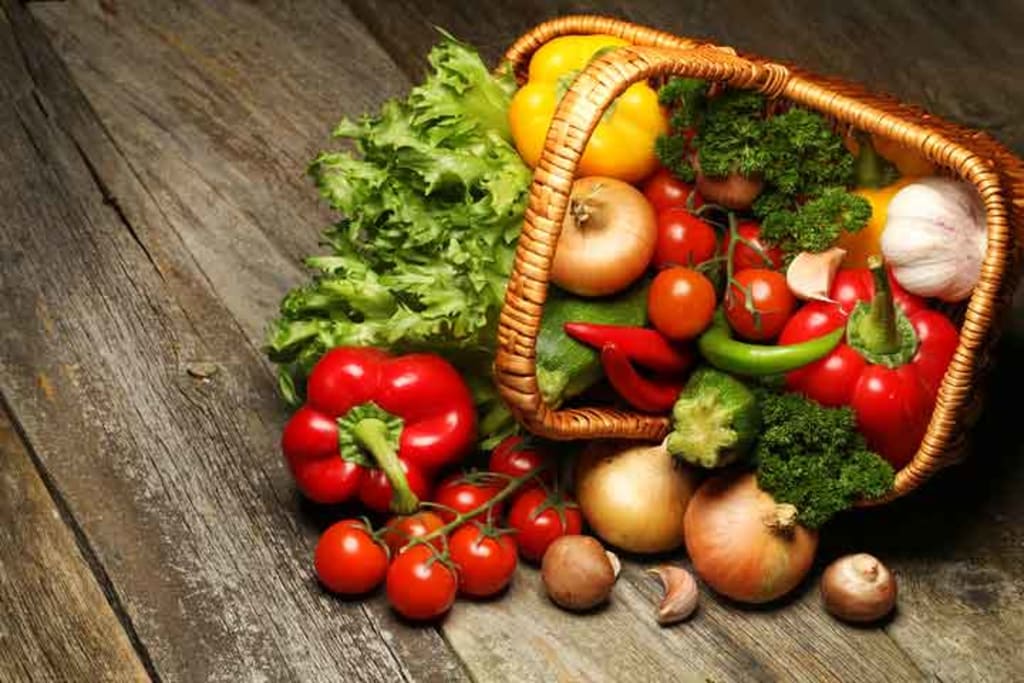
Market Overview
The organic food market in Japan has steadily evolved into a high-growth segment within the country’s broader food and beverage industry. Organic food—produced without synthetic chemicals or genetically modified ingredients—is gaining strong popularity among health-conscious and environmentally aware consumers.
According to analysis by IMARC Group, the Japan organic food market reached USD 1.8 billion in 2025 and is expected to grow significantly, reaching approximately USD 4.2 billion by 2034. This reflects a strong CAGR of 9.31% during 2026–2034.
This growth is driven by rising health awareness, increasing preference for chemical-free products, and growing emphasis on sustainable and eco-friendly food consumption.
As consumer lifestyles shift toward wellness and clean eating, organic food is becoming an essential part of modern dietary habits in Japan.
Explore Industry Trends, Forecasts, and Opportunities — Get the Sample Report
Key Drivers Fueling Market Growth
Rising Demand for Health and Wellness
Japanese consumers are becoming more conscious about food quality and nutrition. Organic food products, free from pesticides and artificial additives, are increasingly preferred for their perceived health benefits.
Growth of Retail and E-commerce Channels
The expansion of supermarkets, specialty organic stores, and online platforms has made organic food more accessible. Consumers can easily explore and purchase organic products through both offline and digital channels.
Government Support and Certification Standards
Strict regulations such as Japanese Agricultural Standards (JAS) and government initiatives promoting sustainable agriculture are boosting consumer confidence and encouraging market growth.
Role of Innovation and Consumer Experience
Expansion of Product Variety
Organic food offerings in Japan now include a wide range of categories such as fruits, vegetables, dairy, snacks, and packaged foods. This diversity is attracting a broader consumer base.
Focus on Quality and Transparency
Consumers expect high-quality, traceable, and certified products. Brands are emphasizing transparency in sourcing, labeling, and production processes to build trust.
Convenience and Ready-to-Eat Options
Organic ready-to-eat meals, snacks, and packaged foods are gaining popularity, catering to busy urban lifestyles while maintaining health standards.
Japan Organic Food Industry Trends & Drivers
The market is strongly influenced by Japan’s cultural focus on quality, safety, and sustainability. Consumers are willing to pay a premium for products that align with their health and environmental values.
The growing popularity of clean-label products and plant-based diets is further supporting demand for organic food.
Additionally, increasing awareness about environmental impact and sustainable farming practices is encouraging both consumers and producers to shift toward organic alternatives.
Japan Organic Food Market Segmentation
By Product Type
- Fruits and Vegetables
- Dairy Products
- Meat, Fish, and Poultry
- Processed Foods
- Others
By Distribution Channel
- Supermarkets and Hypermarkets
- Specialty Stores
- Online Retail
- Others
By Region
- Kanto
- Kansai / Kinki
- Chubu
- Kyushu–Okinawa
- Tohoku
- Chugoku
- Hokkaido
- Shikoku
This segmentation highlights the wide adoption of organic food products across different consumer groups and distribution channels in Japan.
Competitive Landscape
The Japan organic food market is characterized by a mix of domestic producers, international brands, and niche organic companies.
Competition is driven by product quality, certification standards, pricing strategies, and brand trust. Companies that offer authentic organic products with strong transparency and consistent quality are gaining a competitive advantage.
Strategic partnerships, expansion of distribution networks, and product innovation are key strategies shaping the competitive landscape.
Market Outlook
The Japan organic food market is expected to witness steady and sustained growth through 2034, supported by rising health awareness, environmental concerns, and demand for clean-label products.
As consumers continue to prioritize wellness and sustainability, organic food will play an increasingly important role in Japan’s food ecosystem.
In the coming years, the market will evolve beyond basic organic offerings—focusing more on innovation, convenience, and enhanced consumer trust.
About the Creator
Haruto Leo
Haruto Leo is an enthusiastic content writer who enjoys exploring market trends and transforming data into meaningful insights. His work focuses on delivering valuable knowledge in a simple and engaging way.
Enjoyed the story? Support the Creator.
Subscribe for free to receive all their stories in your feed.
Comments
There are no comments for this story
Be the first to respond and start the conversation.