
Japan Automotive Lubricants Market | Fueling the Future of Mobility
How Vehicle Growth, Sustainability Trends, and Advanced Lubrication Technologies Are Shaping the Industry.

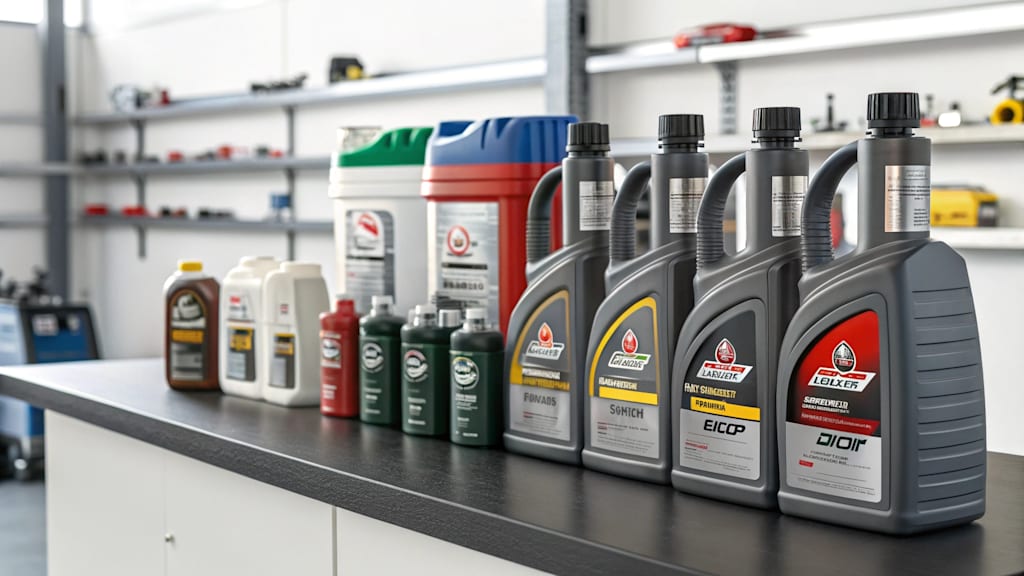
Market Overview
The automotive lubricants market in Japan is witnessing steady growth, driven by increasing vehicle production, rising demand for high-performance engine oils, and growing focus on fuel efficiency and emissions reduction. Lubricants play a critical role in improving vehicle performance, reducing wear and tear, and extending engine life.
According to analysis by IMARC Group, the Japan automotive lubricants market reached USD 4.4 billion in 2025 and is projected to grow to approximately USD 5.8 billion by 2034. This reflects a compound annual growth rate (CAGR) of 3.04% during 2026–2034.
This growth is primarily driven by increasing automotive demand, technological advancements in lubricant formulations, and the shift toward eco-friendly products.
As the automotive sector evolves, the market is transitioning toward more efficient, sustainable, and specialized lubricant solutions.
Analyze Market Potential with Expert Insights — Download the Sample
Key Drivers Fueling Market Growth
- Growth in Automotive Production and Ownership
The expansion of the automotive sector, including passenger vehicles and commercial fleets, is directly increasing demand for lubricants used in engines, transmissions, and other components.
- Focus on Fuel Efficiency and Emission Reduction
Advanced lubricants help reduce friction and improve engine efficiency, supporting regulatory goals for lower emissions and better fuel economy.
- Rising Demand for Regular Maintenance
Routine vehicle servicing and oil replacement cycles continue to drive steady demand for automotive lubricants across Japan.
Role of Technology and Innovation
- Development of Bio-Based and Synthetic Lubricants
Manufacturers are increasingly investing in eco-friendly and high-performance lubricants that reduce environmental impact and improve engine efficiency.
- Low-Viscosity and High-Performance Oils
Innovations in lubricant formulations are enabling better thermal stability, reduced friction, and improved fuel efficiency.
- IoT and Predictive Maintenance Integration
Smart vehicle technologies are enabling predictive maintenance, ensuring timely lubricant changes and improving overall vehicle performance.
Japan Automotive Lubricants Industry Trends & Drivers
The market is being reshaped by the transition toward electric vehicles (EVs) and hybrid technologies. While EVs require fewer traditional lubricants, they create demand for specialized fluids for cooling and drivetrain components.
Additionally, stringent environmental regulations are encouraging the adoption of cleaner and more efficient lubricant products.
There is also a noticeable shift toward premium and synthetic lubricants, driven by consumer awareness and demand for enhanced vehicle performance.
Japan Automotive Lubricants Market Segmentation
Product Type Insights:
- Engine Oils
- Greases
- Hydraulic Fluids
- Transmission and Gear Oils
Vehicle Type Insights:
- Commercial Vehicles
- Motorcycles
- Passenger Vehicles
Regional Insights:
- Kanto Region
- Kansai/Kinki Region
- Central/ Chubu Region
- Kyushu-Okinawa Region
- Tohoku Region
- Chugoku Region
- Hokkaido Region
- Shikoku Region
Competitive Landscape
The Japan automotive lubricants market is highly competitive, with key players such as ENEOS Corporation, Shell plc, BP p.l.c. (Castrol), FUCHS, and Cosmo Energy Holdings.
Competition is driven by product innovation, performance efficiency, sustainability, and strong distribution networks. Companies are investing in R&D to develop next-generation lubricants tailored for modern vehicles.
Market Outlook
The Japan automotive lubricants market is expected to grow steadily through 2034, supported by ongoing vehicle demand, technological advancements, and sustainability initiatives.
As the automotive industry shifts toward electrification and efficiency, lubricant manufacturers will need to focus on innovation, eco-friendly solutions, and specialized applications.
In the coming years, the market will continue to evolve—becoming more advanced, environmentally conscious, and aligned with the future of mobility.
About the Creator
Jackleen Jackleen
Hi, I’m Jackleen Jackleen, a passionate content writer who loves creating clear, engaging, and value-driven content. I enjoy turning ideas into impactful stories that connect with readers.
Enjoyed the story? Support the Creator.
Subscribe for free to receive all their stories in your feed.
Comments
There are no comments for this story
Be the first to respond and start the conversation.