
Is a Home Digital Calendar the Key to Family Harmony?
Key to Family Harmony
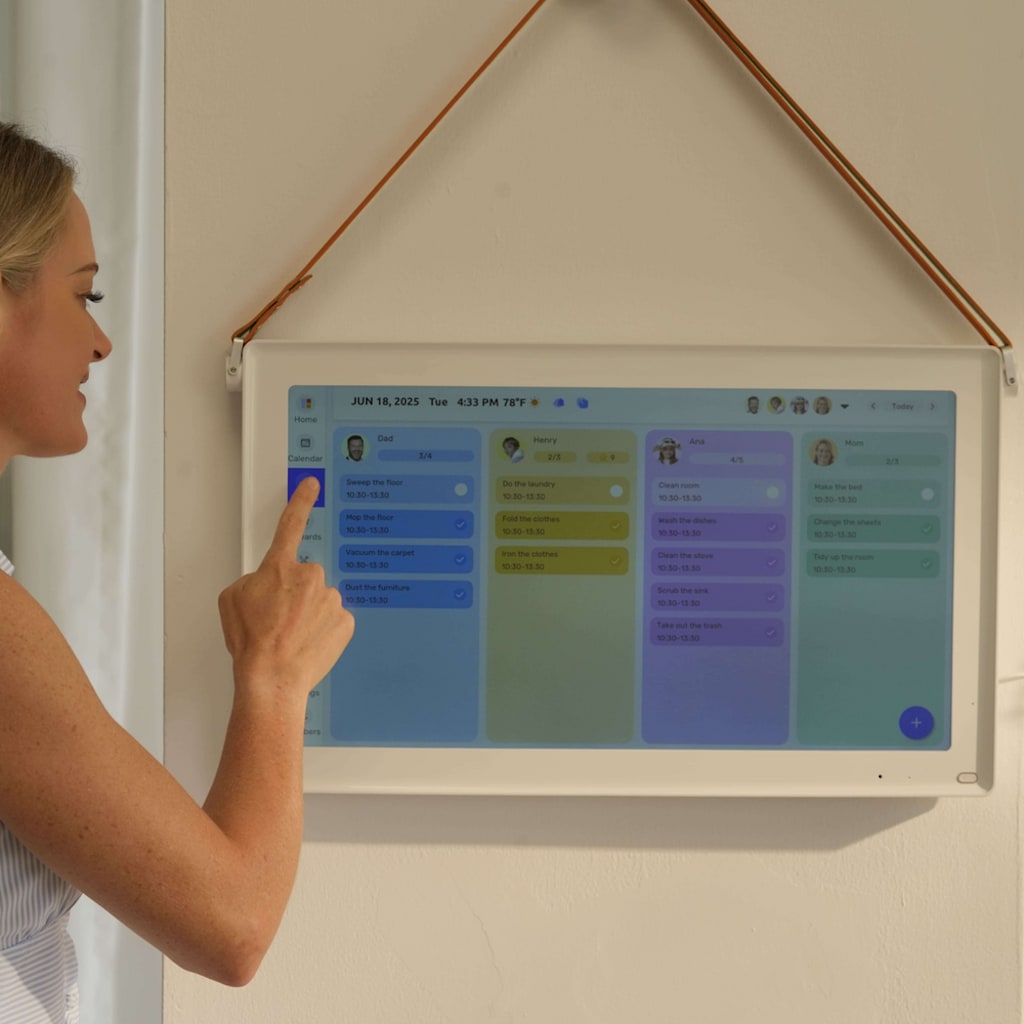
It's Tuesday evening, and you just realized your daughter's soccer practice clashes with your son's dentist appointment — both scheduled for the same time, both forgotten until now. Sound familiar? Modern family life moves at a relentless pace, and keeping everyone on the same page can feel like a full-time job. Between school events, work deadlines, extracurricular activities, and household chores, the average parent juggles dozens of moving parts every single week.
Traditional methods — scribbled notes on the fridge, paper planners, or simply trying to remember everything — are no longer cutting it. Miscommunication leads to missed events, and missed events lead to stress, frustration, and the kind of tension that quietly chips away at family harmony.
Enter the home digital calendar: a centralized, always-accessible scheduling solution designed to bring order to the beautiful chaos of family life. Whether it's a shared app synced across everyone's phones or a dedicated digital display mounted in the kitchen, this modern tool is changing how families coordinate their days. In this article, we'll explore why traditional scheduling falls short, what a home digital calendar actually offers, and exactly how to set one up to work for your family.
The Problem with Traditional Family Scheduling Methods
Picture the average family kitchen: a paper calendar buried under takeout menus, sticky notes peeling off the fridge, and a whiteboard scrawled with half-erased reminders. These systems feel manageable at first, but they share one fatal flaw — they only work if everyone checks them, updates them, and actually remembers to look. When your teenager forgets to write down their weekend plans, or your partner assumes you saw the note about the parent-teacher conference, the whole system collapses. The result isn't just a missed appointment; it's an argument, a frustrated child, and a parent who feels like they're failing at something that should be simple. Memory-based scheduling is even worse. Relying on mental notes in a household with multiple people, multiple schools, and multiple commitments is a recipe for chronic stress. Studies consistently show that cognitive overload — the mental burden of tracking too many tasks simultaneously — directly impacts mood, productivity, and relationship quality. Families deserve a smarter approach.
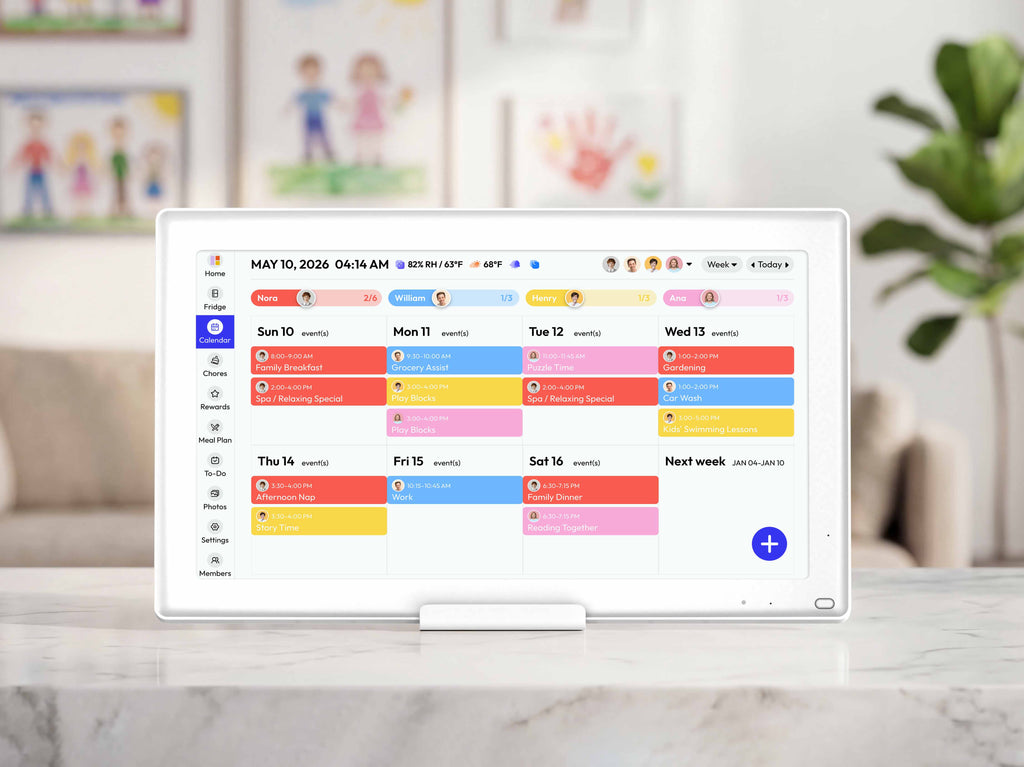
What is a Home Digital Calendar? A Modern Solution for Families
A home digital calendar is a centralized scheduling tool that gives every family member real-time access to shared events, appointments, and reminders — all from a single, always-updated source. Unlike a paper calendar stuck to the wall, it lives across multiple devices simultaneously, meaning everyone sees the same information whether they're in the kitchen or across town. At its core, it eliminates the "I didn't know about that" excuse by making the family schedule impossible to miss.
These tools come in several forms. Cloud-based apps like Google Calendar or Apple Family Sharing let parents and kids sync schedules directly to their phones and tablets. For households that want something more visible and communal, a digital fridge calendar — essentially a dedicated smart display mounted in a high-traffic area like the kitchen — acts as a persistent visual hub that no one has to actively open or remember to check. Platforms like Everblog take this concept further by offering purpose-built digital calendar displays designed specifically for family coordination, combining the always-on visibility of a kitchen screen with the real-time sync of a cloud-based app. Think of it as a family command center: one screen that displays today's events, upcoming appointments, assigned chores, and even meal plans. When every moving piece of family life flows into one integrated system, coordination stops being a daily battle and starts becoming automatic.
Key Benefits of Using a Shared Family Calendar
The most immediate payoff of switching to a shared family calendar is the dramatic drop in scheduling conflicts. When every family member can see the same up-to-date schedule in real time, the guesswork disappears. No more double-booking Saturday mornings or discovering at the last minute that two kids need rides to opposite sides of town simultaneously. Parents report spending significantly less time each week on the logistical back-and-forth that paper systems demand.
Beyond conflict reduction, the communication benefits run deep. Consider a household where both parents work different shifts: a shared digital calendar means neither person has to relay information through the other. Dad adds Thursday's school play directly to the family calendar; Mom sees it instantly and adjusts her work schedule accordingly. The information loop closes automatically, without a single text message or sticky note.
Chore coordination gets a meaningful upgrade too. Assigning recurring tasks — taking out the trash, feeding the dog, unloading the dishwasher — directly within the calendar creates accountability that a verbal reminder simply can't match. Kids can check their assigned responsibilities independently, which quietly builds responsibility and reduces the nagging that strains parent-child relationships.
Perhaps the most underrated benefit is the mental relief it provides parents. Offloading the cognitive burden of remembering dozens of moving pieces onto a reliable system frees up mental energy for what actually matters: being present with your family rather than mentally running through tomorrow's logistics during dinner.
Step-by-Step Guide to Setting Up Your Home Digital Calendar
Choosing the Right Tools: From Shared Family Calendars to Digital Fridge Calendars
The first decision is figuring out which type of digital calendar actually fits your household's habits. Cloud-based apps like Google Calendar, Cozi, or Apple's Family Sharing work well for tech-comfortable families who already live on their phones — everyone gets real-time updates, color-coded by person, accessible anywhere. The downside is that someone still has to actively open the app, which means teenagers and younger kids often miss updates entirely. A dedicated smart display or digital fridge calendar solves that visibility problem by keeping the schedule permanently on screen in the kitchen or hallway. These devices — ranging from repurposed tablets mounted on the wall to purpose-built smart displays like those offered through Everblog — require no one to "check" anything because the information is simply always there. For most families, the best setup combines both: a shared app for on-the-go updates that automatically syncs to a central display at home.
Setting Up Your Digital Fridge Calendar for Daily Visibility
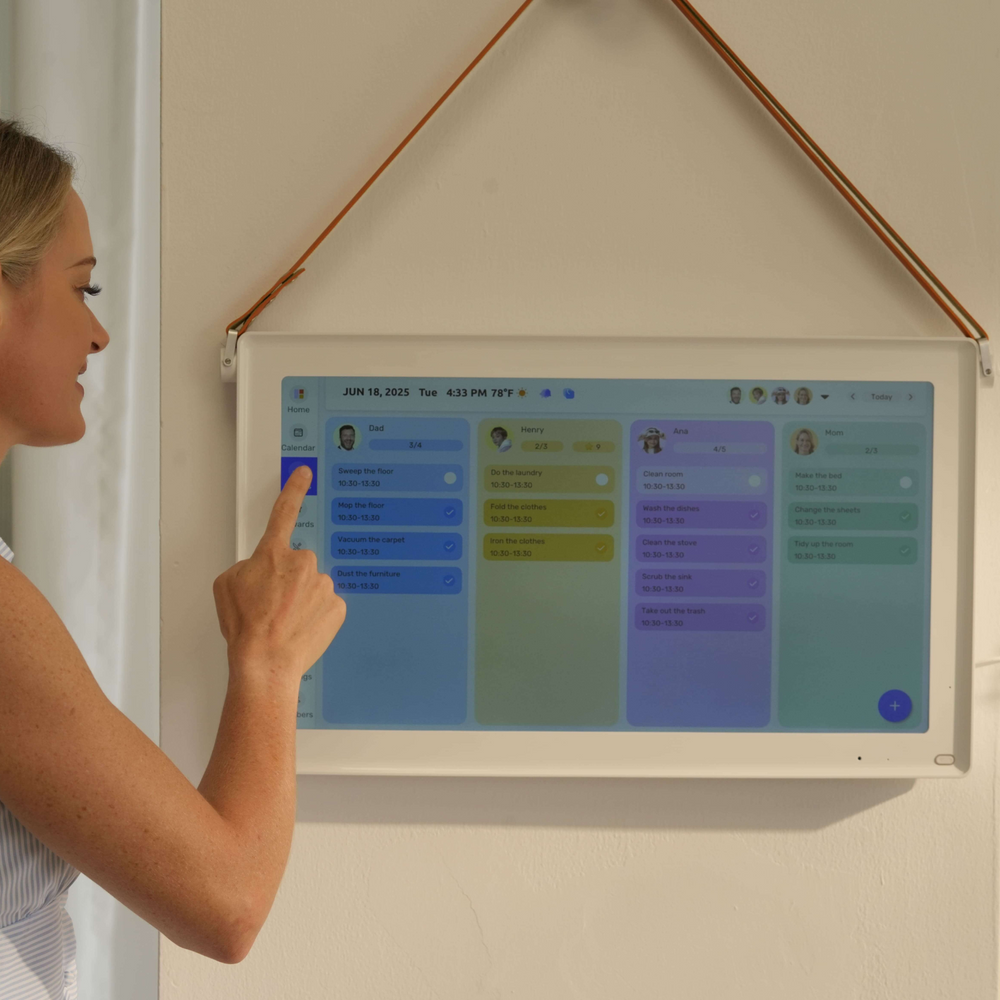
Once you've chosen your tools, placement is everything. Mount your display at eye level in the highest-traffic area of your home — the kitchen is ideal because nearly every family member passes through it multiple times daily. During setup, create one shared calendar account and add every family member as a contributor so anyone can add or edit events directly. Use color-coding from day one: assign each person their own color so the schedule is scannable in seconds. Next, build in recurring events — school pickup times, weekly chores, standing appointments — so the calendar populates itself without manual entry every week. Finally, configure automated reminders: a 24-hour alert for appointments and a morning summary notification ensures nothing slips through overnight. Walk younger children through the display once and show them specifically where to look for their own color. Familiarity breeds the habit, and the habit is what makes the whole system stick.
How to Manage Schedules and Meal Planning Effectively
Getting your digital calendar set up is only half the battle — keeping it accurate and useful over time requires a few deliberate habits. The most effective approach is designating a weekly "schedule sync" moment, ideally Sunday evening, where the whole family spends ten minutes reviewing the upcoming week together. During this check-in, each person confirms their commitments, flags any conflicts, and adds anything new. This single ritual prevents the gradual drift that causes even well-intentioned systems to fall apart within a month.
Meal planning integrates naturally into this workflow and is one of the most underutilized features of a family calendar. By blocking out dinner plans for the week directly alongside the day's activities, you instantly reveal which evenings are too hectic for cooking and which nights have breathing room. A Thursday with back-to-back after-school activities becomes an automatic slow-cooker night; a clear Friday becomes the opportunity for a proper family meal. Some families take this further by linking a shared grocery list app — like AnyList or Google Keep — directly to their calendar notes, so the ingredients for Wednesday's planned dinner are already queued up before anyone sets foot in a store.
For chore tracking, build assignments directly into recurring calendar events rather than maintaining a separate chore chart. When your son's "take out trash" reminder appears every Monday on his color in the shared display, it carries more weight than a handwritten list on the wall. Pair each chore with a short reminder notification timed 30 minutes before it needs to be done, and the follow-through improves dramatically without any parental nagging required.
Overcoming Common Challenges with Your Family Command Center
Even the best system hits friction when real people are involved. The most common obstacle is tech resistance — particularly from older kids who see another screen as another thing to ignore, or from a partner who's comfortable with the old paper system. The fix isn't forcing adoption; it's making the digital calendar more useful than whatever it's replacing. Start by involving every family member in the setup process. Let your teenager choose their color scheme. Let younger kids help place the display on the wall. Ownership drives engagement in ways that top-down mandates never will.
Consistency is the second major hurdle. Families often launch a new system with enthusiasm, then slowly drift back to texting reminders and verbal updates within a few weeks. Protect against this by anchoring the calendar to an existing habit — checking it during breakfast, for example, or reviewing it as part of the Sunday evening routine you've already established. When the calendar check becomes tied to something the family already does automatically, it stops requiring willpower to maintain.
Privacy concerns occasionally surface in households with older teenagers who resist having their social plans visible to everyone. A practical solution is creating a two-tier structure: a family calendar for shared commitments and a personal calendar that syncs only availability blocks — showing "busy" without revealing specifics. This respects growing independence while keeping the coordination benefits intact. For technical hiccups like display connectivity issues or app sync failures, keep the troubleshooting simple: designate one parent as the system administrator who handles updates and resets, so minor glitches don't become reasons to abandon the whole approach.
A Simpler Path to Family Coordination Starts Here
Family life will always carry a certain beautiful unpredictability — but the logistical chaos that comes with it doesn't have to be the norm. A home digital calendar transforms the way families coordinate, replacing the fragmented mess of sticky notes, verbal reminders, and mental gymnastics with a single, reliable system that everyone can actually use. The benefits compound quickly: fewer scheduling conflicts, clearer communication between family members, better chore accountability, and — perhaps most valuably — a meaningful reduction in the mental load that exhausts so many parents before the day even begins.
The shift doesn't require a complete household overhaul. Start small: pick one platform, get everyone added, and commit to a weekly ten-minute review. Mount a display in the kitchen. Assign colors. Let the system do the heavy lifting it was designed to do. Within a few weeks, the habit forms, and coordination that once required constant effort starts happening almost automatically.
Technology won't solve every family challenge, but when it's used intentionally, it creates the breathing room for what actually matters — being present with the people you love rather than scrambling to keep up with the schedule. Your family deserves that space. A home digital calendar is one of the simplest, most practical ways to start creating it.
About the Creator
Enjoyed the story? Support the Creator.
Subscribe for free to receive all their stories in your feed.
Comments
There are no comments for this story
Be the first to respond and start the conversation.